Baltimore Winter Attractions Practical Guide for Residents and Visitors
Baltimore offers a broad slate of winter attractions this season, from the Inner Harbor Winter Village and the National Aquarium to neighborhood holiday markets and parade traditions in Hampden. This guide explains what is available, how these events affect local commerce and transit, and how residents can plan for access and accessibility.
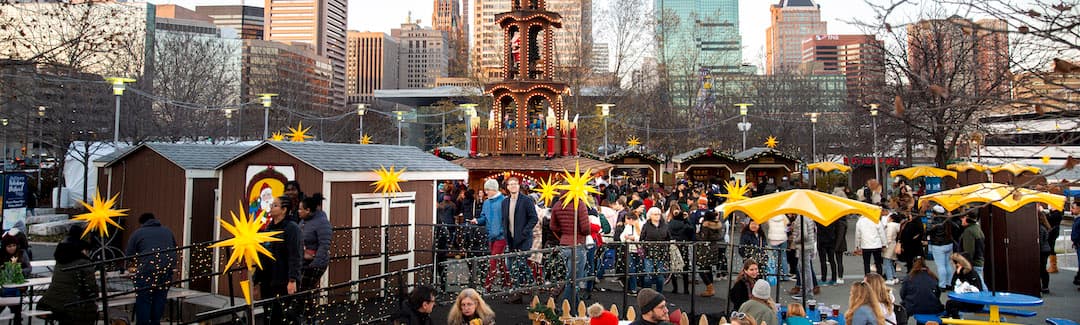
Winter programming across Baltimore concentrates cultural institutions, seasonal markets, and neighborhood traditions into a compact visitor season that matters for residents who work, shop, and commute in the city. The Inner Harbor Winter Village and Christmas Village feature vendor stalls, a carousel, and seasonal food and drink. The National Aquarium continues year round operations with seasonal programming. The Walters Art Museum provides free admission nights alongside rotating seasonal exhibits. The B&O Railroad Museum stages holiday train events. Family oriented programming is available at Port Discovery and the Maryland Science Center. Fort McHenry maintains historic site access and holiday programming. Hampden on the Avenue remains a focal point for elaborate holiday decorations and the Mayor’s Christmas Parade. Recurring holiday markets in Station North and Highlandtown supply additional options for shopping and neighborhood commerce.
Many venues operate during daytime hours with extended evening hours for special programs and events. Indoor museums and science centers commonly open in late morning and close in the early evening, while holiday markets and parade schedules concentrate activity on weekends and select weekday evenings. Because these patterns change with seasonal programming, residents should confirm current hours for specific events before traveling.
Transit and parking impact the visitor experience. Central attractions draw heavy foot traffic and limited curbside parking, so public transit, parked garages, and ride share services are practical alternatives to neighborhood street parking. Several venues offer accessible entrances and public transit connections, and those planning visits should identify accessible entry routes and mobility accommodations ahead of time to avoid delays at busy events.
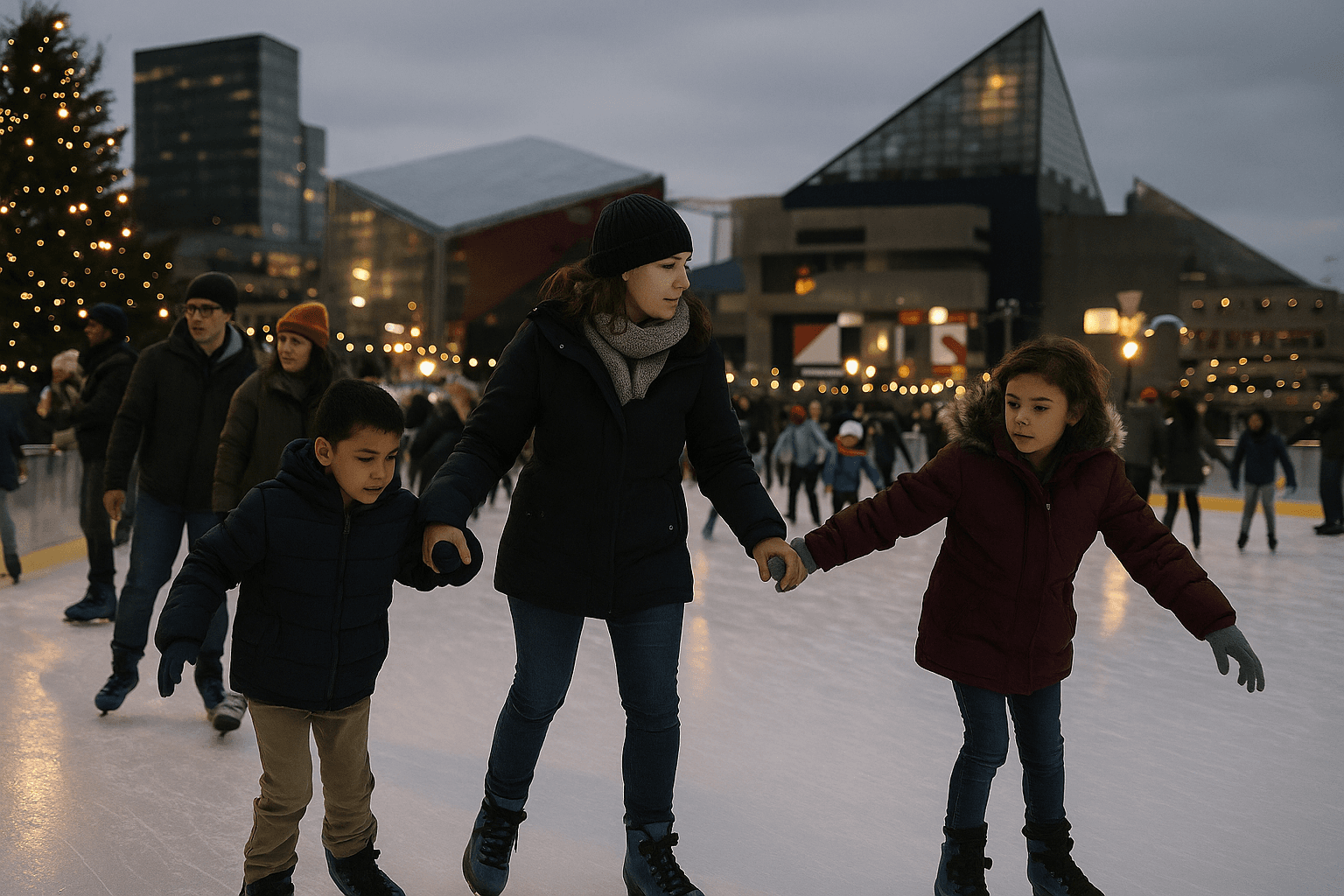
These winter activities also carry policy implications for city services and local businesses. Seasonal crowds create demand for coordinated permitting, policing, sanitation, and transit adjustments. They generate revenue for small vendors and cultural institutions while placing pressure on public infrastructure. Residents interested in how the city manages permitting, transit schedules, and accessibility can raise these topics with city council members and relevant municipal departments at public meetings or through direct inquiry. Advance planning will help visitors and residents navigate schedules, transportation, and accessibility so that Baltimore neighborhoods can maximize economic and civic benefits from the winter season.
This article was produced by Prism’s automated news system from verified source data, official records, and press releases, then run through automated quality and moderation checks before publishing. The system is built and supervised by the people who set the standards it runs under. Read our full AI policy.
Did this article answer your question?


