Baltimore's Inner Harbor guide highlights top attractions, viewpoints, restaurants, activities
Inner Harbor remains a year-round hub for Baltimore, with museums, waterfront activities, and dining that matter to residents planning outings or school trips.
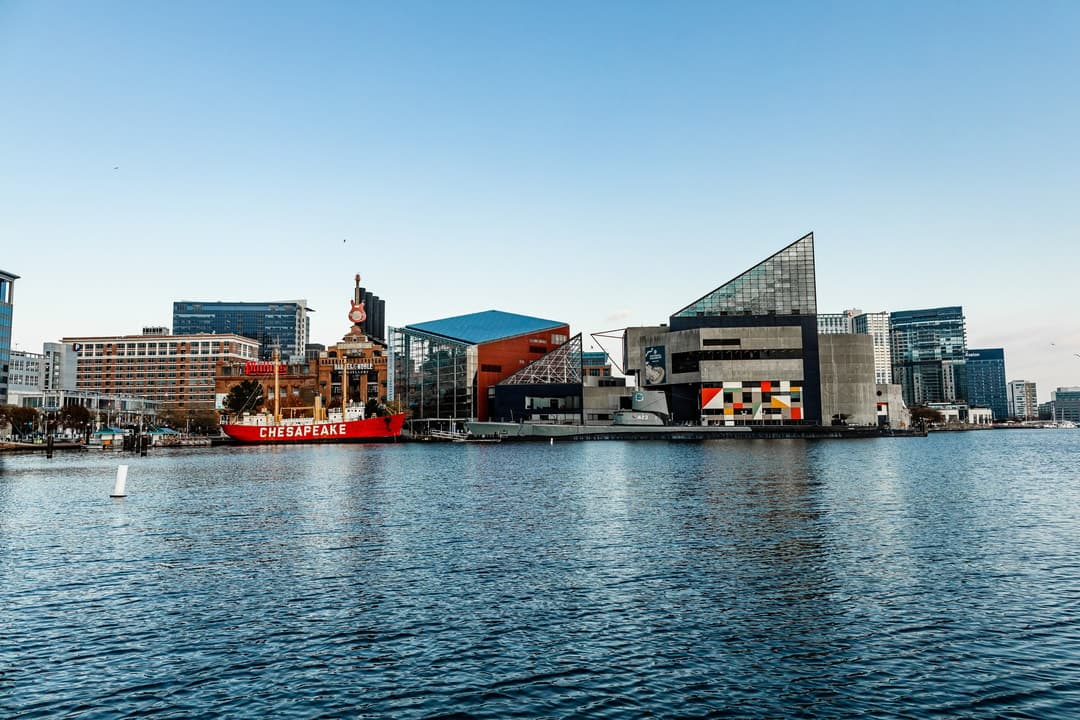
The Inner Harbor continues to anchor Baltimore’s leisure and cultural life, combining major indoor attractions with waterfront promenades and water-based transport that keep the area active through all seasons. Residents and visiting families will find concentrated options for education, recreation and dining within easy walking distance of the waterfront.
Start at the National Aquarium and the Maryland Science Center for winter-friendly, indoor experiences that work for school groups and families. Port Discovery Children’s Museum and Historic Ships in Baltimore add hands-on learning and living-history opportunities that complement museum visits. The World Trade Center observation level and Federal Hill provide the most recommended viewpoints for skyline and harbor photography, offering quick vantage points for residents showing visiting friends the city.
Water-based options extend mobility and leisure on the harbor. The Water Taxi connects waterfront stops and helps spread visitor traffic along piers and neighborhoods, while rental paddle boats let small groups and families spend time on the water without leaving the inner harbor basin. Waterfront promenades link attractions and restaurants, making it practical to combine a museum morning with an afternoon boat ride and an evening meal.
Restaurants along the harbor remain central to the local hospitality economy. Dining venues on the promenade capture foot traffic from attractions and observation points, supporting hospitality jobs and small-business receipts that matter to neighborhood retail corridors. For residents planning outings, consider timing visits outside peak midday hours to avoid crowds and to support weekday business for operators that rely on tourist and local patronage alike.

The concentration of year-round cultural venues creates economic stability when seasonal tourism softens. Indoor attractions provide alternatives during colder months, sustaining employment and keeping visitor spending flowing into hotels, restaurants and transport services. Water Taxi service and waterfront promenades also lower the friction of moving between attractions, which boosts per-visit spending and keeps neighborhood businesses engaged.
Logistics matter for local visitors. Plan routes that link the National Aquarium, Maryland Science Center, Port Discovery and Historic Ships to maximize time on site and reduce repeat walking; use the World Trade Center observation level or Federal Hill for quick perspective shots; and factor in Water Taxi schedules if relying on water transit to reach other piers.
For Baltimore residents, the Inner Harbor is more than a tourist strip - it is a compact civic and economic asset that supports school programming, family recreation and neighborhood commerce. Keeping indoor museums active, maintaining reliable water transit, and sustaining restaurants on the promenade will determine how well the harbor continues to harbor good times and steady local economic activity in the years ahead.
This article was produced by Prism’s automated news system from verified source data, official records, and press releases, then run through automated quality and moderation checks before publishing. The system is built and supervised by the people who set the standards it runs under. Read our full AI policy.
Did this article answer your question?


