Baltimore’s Joseph Kavanagh Co. to close after 16 decades
The Joseph Kavanagh Co.'s shutdown will erase one of Baltimore's last hands-on metal shops, along with the skills, customers and work tied to 16 W. Lombard Street.
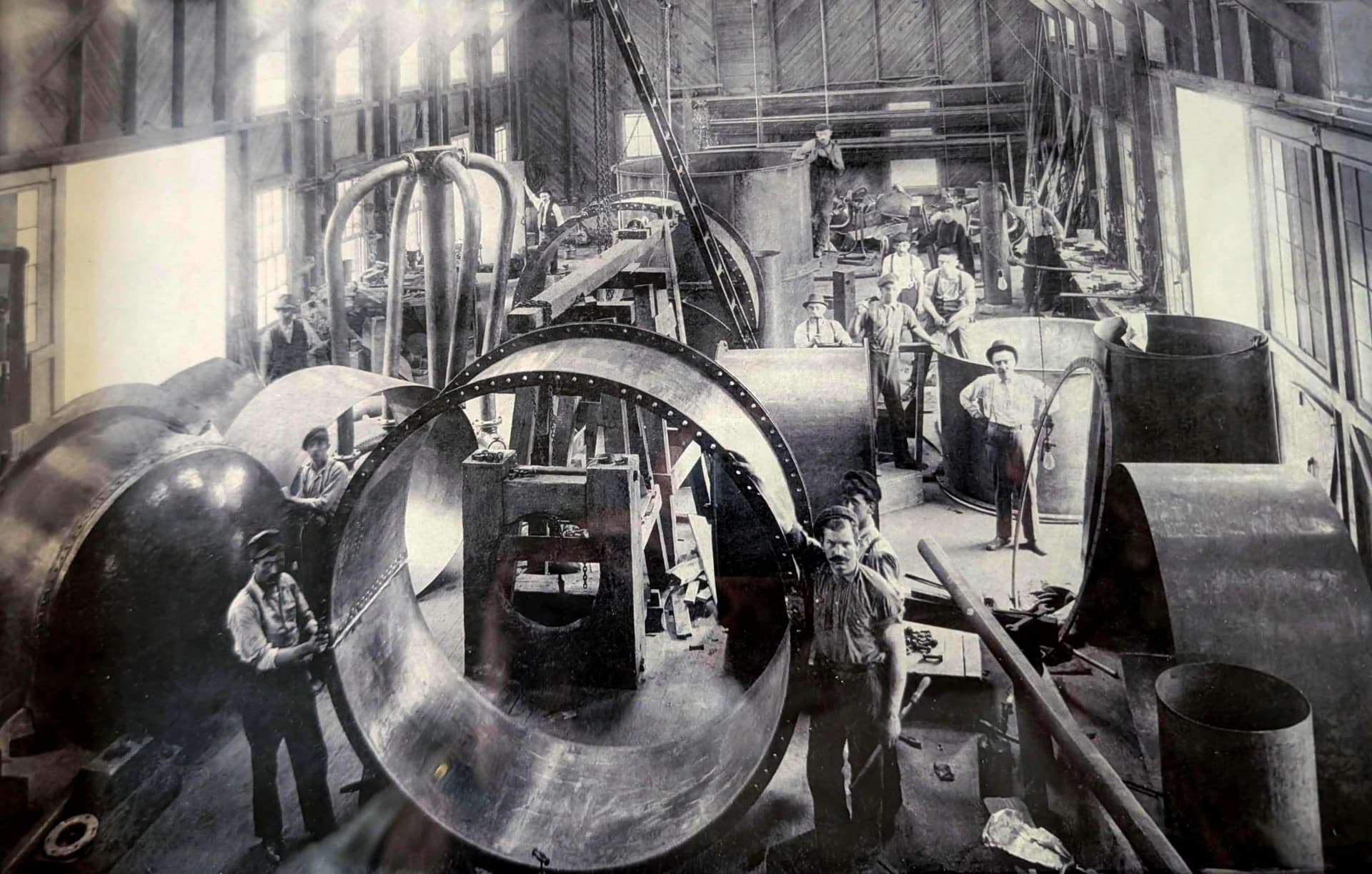
Baltimore is losing more than a company when the Joseph Kavanagh Co. closes later this year. The shutdown will take with it one of the city’s remaining industrial shops, the metal-bending and rolling skills that sustained it, and the customers who depended on its work for lintels, stiffeners, flanges, beam supports and bridge trestles.
The family-run business dates to 1866 and has passed through five generations of Kavanaghs. Its history stretches from a coppersmith shop in the Jones Falls Valley to 16 W. Lombard Street, where the company rebuilt after the Great Baltimore Fire and kept working through wars, recessions and changing building trades.
That long run made Joseph Kavanagh Co. part of Baltimore’s industrial memory. Company history says the shop survived the Black Friday Flood of 1868, when the Jones Falls overflowed and devastated parts of the city. Local historical accounts put the disaster’s toll at 50 deaths and millions of dollars in damage. By 1869, the company had already moved to Lombard Street.
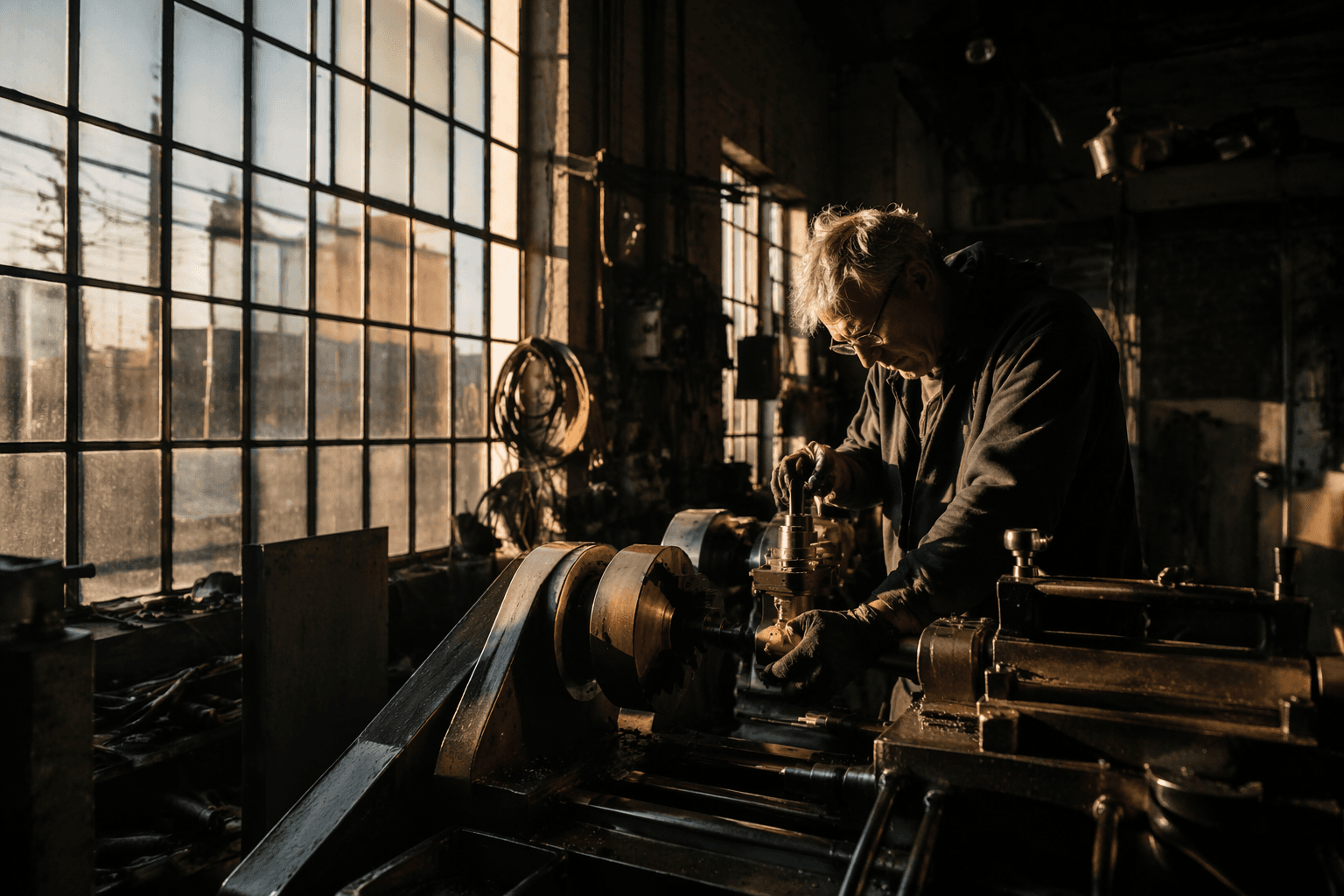
The business grew from copper work into a broader metal operation that served brewers, distillers and other manufacturers. A profile of the company described that evolution as a shift from coppersmithing into steel bending and tubing. Over time, the shop’s output ranged from pots and pans to industrial pipes, motorcycle handlebars, bike racks, abstract sculptures and giant rims for Ferris wheels.
The Kavanagh name also appears in some of Baltimore’s best-known landmarks. Baltimore Magazine has reported that the family contributed railings and fittings to projects including the Statue of Liberty in New York Harbor and Oriole Park at Camden Yards. That kind of work tied the shop to both national symbolism and the city’s own civic spaces.
Public company information says John Jr., Joseph and Ann Kavanagh bought the business in January 1989 and represent the fifth generation of family ownership. The company’s own history project says Prohibition wiped out about 40% of its work, a blow that underscores how dependent the shop was on Baltimore’s brewing and distilling economy.
Its closure will leave a gap that is both physical and economic. The loss is not only of an old name, but of a specialized shop that helped shape steel and copper for Baltimore builders, manufacturers and landmark projects for 16 decades. As the company winds down, another piece of the city’s working industrial past disappears with it.
This article was produced by Prism’s automated news system from verified source data, official records, and press releases, then run through automated quality and moderation checks before publishing. The system is built and supervised by the people who set the standards it runs under. Read our full AI policy.
Did this article answer your question?