BGE Expands $2.5M Relief Fund as Baltimore Customers Face Winter Bill Spikes
BGE and United Way added $2.5 million in bill credits for customers with past-due balances of $250 or more to help ease steep winter energy bills.
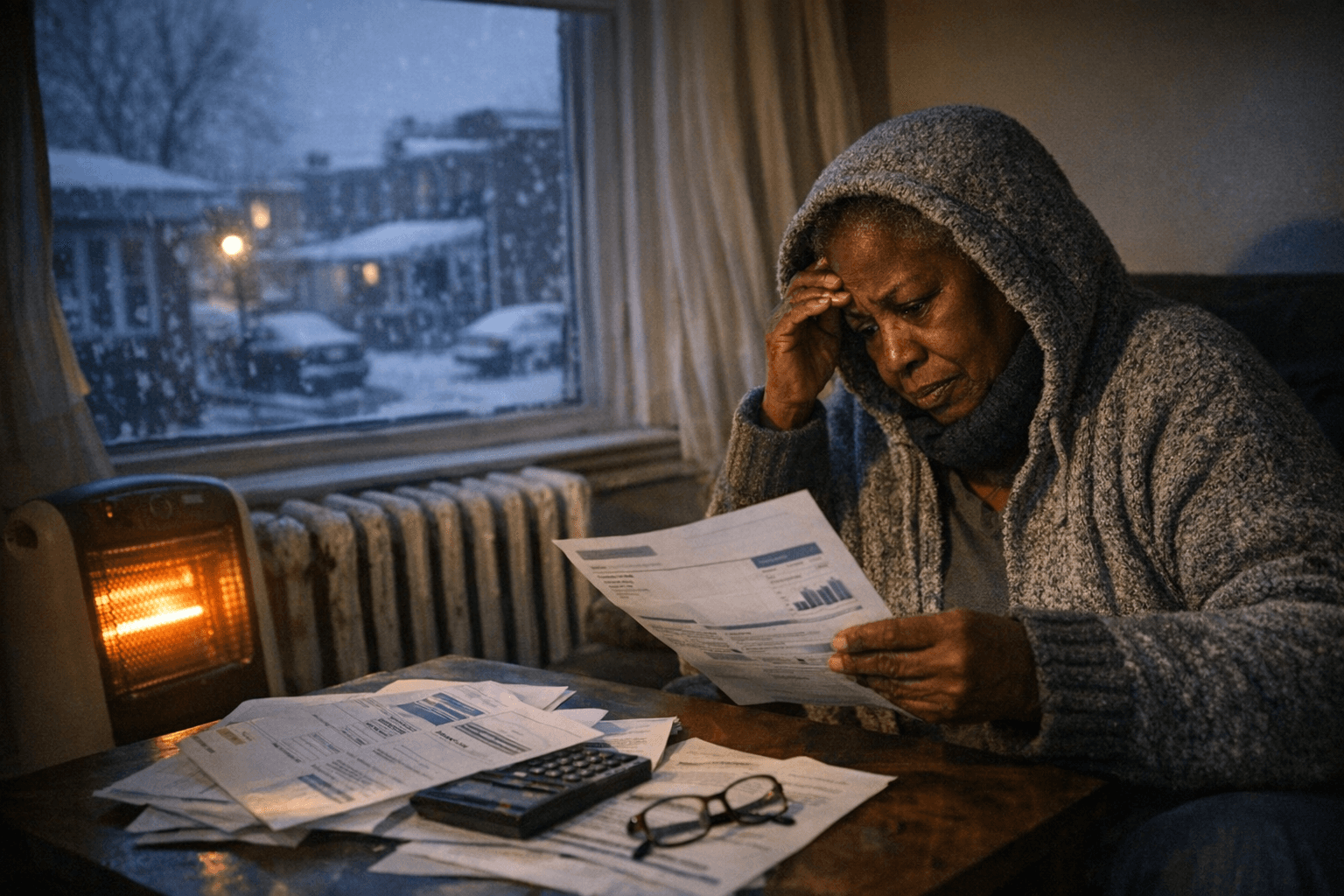
Baltimore Gas and Electric expanded its Customer Relief Fund with an incremental $2.5 million in credits aimed at residential customers facing unusually high winter bills. The utility and its nonprofit partner, United Way of Central Maryland, announced the relief after a wave of sharply higher statements tied to colder weather and tight supply-and-demand conditions. Credits will range roughly $200 to $500 per household, and the online application window opens Jan. 21 through the administering nonprofit.
The program targets households with past-due balances of at least $250 and uses limited- and moderate-income thresholds tied to ALICE criteria - Asset Limited, Income Constrained, Employed - to define eligibility. Customers who received Customer Relief Fund assistance in 2025 were not eligible for this round. The acknowledgement of prior recipients narrows the pool but also leaves many households at risk: winter usage spikes and price pressure on the energy system have pushed balances into arrears for a larger share of customers than in previous winters.
Residents across Baltimore reported surprise at the size of recent bills, reflecting both heavier heating demand in colder-than-normal stretches and the interaction of market forces that raised the cost of power and delivery. For city households in rowhouses and apartments with older insulation and aging heating systems, even a few days of sustained cold can meaningfully increase usage and monthly charges. The one-time credits are meant to blunt immediate hardship but do not change underlying consumption patterns or system costs.
BGE and community advocates emphasized that the relief fund is a short-term measure alongside longer-term approaches to reduce bills and manage risk. Practical steps cited by the utility and local advocates include weatherization and insulation upgrades, targeted efficiency improvements for heating systems, enrollment in income-qualified assistance and budget billing, and flexible payment arrangements for past-due accounts. Energy-efficiency investments can lower usage over time but often require upfront funding or coordination with city and nonprofit programs.
From a policy and market standpoint, the intervention highlights two dynamics: utilities and nonprofits increasingly use targeted relief to address acute affordability shocks, and those measures coexist with broader debates about infrastructure investment, energy affordability, and climate-driven volatility in heating needs. The $2.5 million infusion will help many households this winter, but it is incremental relative to the scale of demand for assistance in a city where a substantial share of residents meet ALICE or low-income thresholds.
Baltimore residents who believe they qualify should apply through United Way of Central Maryland’s online portal starting Jan. 21 and check eligibility requirements carefully - past-due balance of $250 or more, income thresholds under the ALICE framework, and no prior CRF award in 2025. For those seeking longer-term relief, contact BGE about payment plans and look into local weatherization and efficiency programs that can reduce future winter shocks.
This article was produced by Prism’s automated news system from verified source data, official records, and press releases, then run through automated quality and moderation checks before publishing. The system is built and supervised by the people who set the standards it runs under. Read our full AI policy.
Did this article answer your question?


