BGE warns of higher summer electric bills, shares ways to save
BGE says summer bills may jump as cooling demand rises and PJM supply costs climb, but simple steps can trim the hit fast.

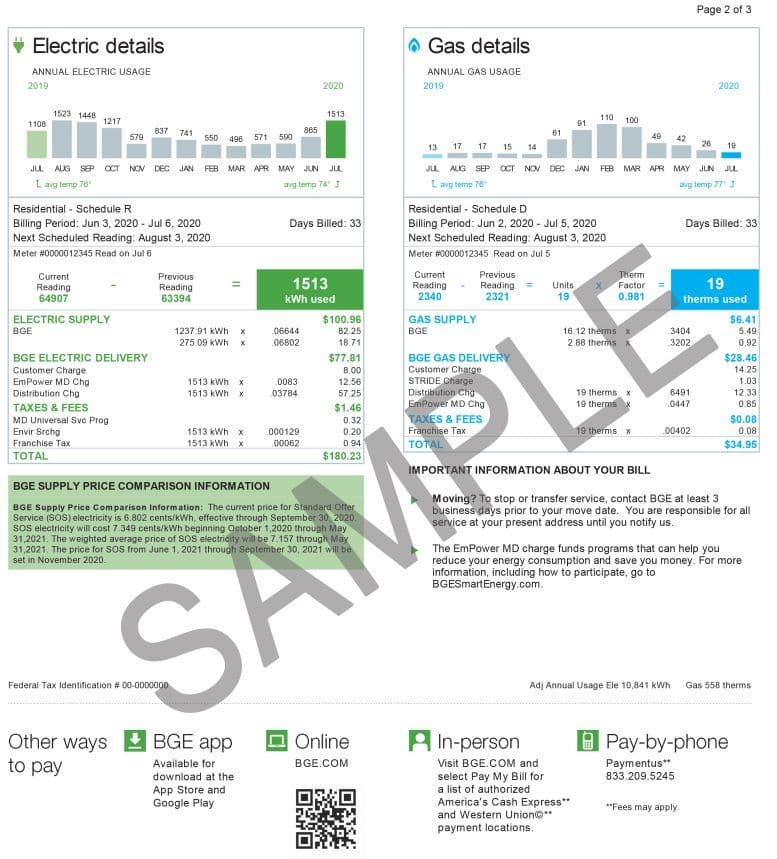
A Baltimore summer can squeeze a household budget twice at once: air conditioners run harder in the heat, and the price of electricity supply is also moving higher. BGE is warning customers to brace for that one-two punch, especially in homes where cooling already makes up nearly half of summer energy use.
For families in rowhomes, apartments, and older houses across Baltimore City, that matters right away. When the hottest stretch of the season arrives, even modest increases in supply costs can show up on top of a bill that is already inflated by cooling, which is why the utility is steering customers toward the cheapest fixes first.
Why this summer is likely to feel more expensive
BGE says customers may see higher electric bills this summer because PJM electricity supply prices have increased significantly from last summer. The company says it does not set the price of electricity supply and passes that cost through to customers, so the pressure is coming from the regional market rather than from household usage alone.
The utility points to several forces behind the rise: retirements of some power plants, limits on the transmission grid, and growing demand for electricity. Maryland’s consumer advocate says the supply side of the bill is tied to wholesale costs flowing through PJM Interconnection, and more than half of Maryland customers’ electric bills are affected by those PJM-related costs.
That broader backdrop helps explain why the pain is not just a one-season glitch. The Maryland Office of the People’s Counsel says Maryland customers have already been assigned $7.1 billion in transmission capital costs from 2010 to 2030, with another $5.4 billion projected for 2031 to 2035 under current rules. The office also says transmission rates for Maryland utilities including BGE have increased five- to six-fold since 2010, while BGE electric delivery rates have risen 30% since 2020 and have moved from 2.5 cents per kWh in 2010 to 4.8 cents per kWh.

What saves money fastest in Baltimore homes
The quickest savings usually come from lowering how long and how hard the air conditioner runs. BGE says cooling systems can account for nearly half of a home’s energy use in summer, so even small changes can have an outsized effect when the weather turns extreme.
For rowhomes and apartments, sealing leaks and reducing indoor heat are some of the most effective first steps. BGE recommends caulking or weather-stripping drafty windows and doors, closing blinds and drapes during the day, and using fans to circulate cooler air so the thermostat does not have to work as hard.
Window coverage matters more than many households realize. BGE says about 30% of unwanted heat in a home comes through windows, which makes blinds, curtains, and weatherproofing especially valuable in older Baltimore buildings where sun exposure and leaks can raise indoor temperatures fast.
The utility also says routine HVAC maintenance pays off. Cleaning and servicing air-conditioning systems so they run efficiently, replacing filters regularly, and turning up the thermostat by 7 to 10 degrees for eight hours a day can all cut consumption, with filter changes lowering air conditioner energy use by up to 15%.
Simple behavior changes that add up
Some of the easiest savings come from shifting when and how appliances are used. BGE advises customers to turn off unnecessary lights and electronics, lower water-heater temperatures, and delay ovens, stoves, dishwashers, and dryers until after 9 p.m., when outdoor temperatures begin to fall.
That timing can matter in Baltimore homes where heat builds quickly during the afternoon. Running major appliances later in the evening reduces the extra indoor heat they create and also avoids adding to peak demand when the grid is under the most stress.
These steps are especially practical for renters and apartment dwellers who may not control every part of the building, but can still control the thermostat, window coverings, fans, and appliance timing. In homes where every degree feels expensive, the goal is to keep the AC from cycling as much and to block heat before it enters.
Where customers can turn for help
BGE is also pointing customers toward payment and assistance options if the summer bill is still too high. The company says its online account tools, assistance finder, payment arrangements, and budget billing can help smooth out costs or make them more manageable over time.
The BGE Customer Relief Fund is another option for eligible customers who need a one-time grant. The fund offers grants ranging from $250 to $750, with applications opening July 1.
That support matters because summer bills are rising in a broader market that remains volatile. PJM’s July 22, 2025 Base Residual Auction cleared at $329.17 per MW-day across the PJM footprint, with BGE’s zone clearing at $466.35 per MW-day, and PJM said the auction could translate to a 1.5% to 5% year-over-year increase in some customers’ bills.
PJM also said forecasted peak load for the 2026/2027 delivery year rose by more than 5,400 MW, driven largely by data center expansion, electrification, and economic growth. For Baltimore households, that means the next high bill may not be just about how much electricity is used, but about how expensive it has become to supply it, which makes every low-cost efficiency step more valuable when the heat arrives.
This article was produced by Prism’s automated news system from verified source data, official records, and press releases, then run through automated quality and moderation checks before publishing. The system is built and supervised by the people who set the standards it runs under. Read our full AI policy.
Did this article answer your question?