Black Star Line bus brings 5,000 free books to Baltimore neighborhoods
The Black Star Line Literacy Bus rolled out from Greenmount Avenue with 5,000 free books for 14 Baltimore neighborhoods over eight weeks.
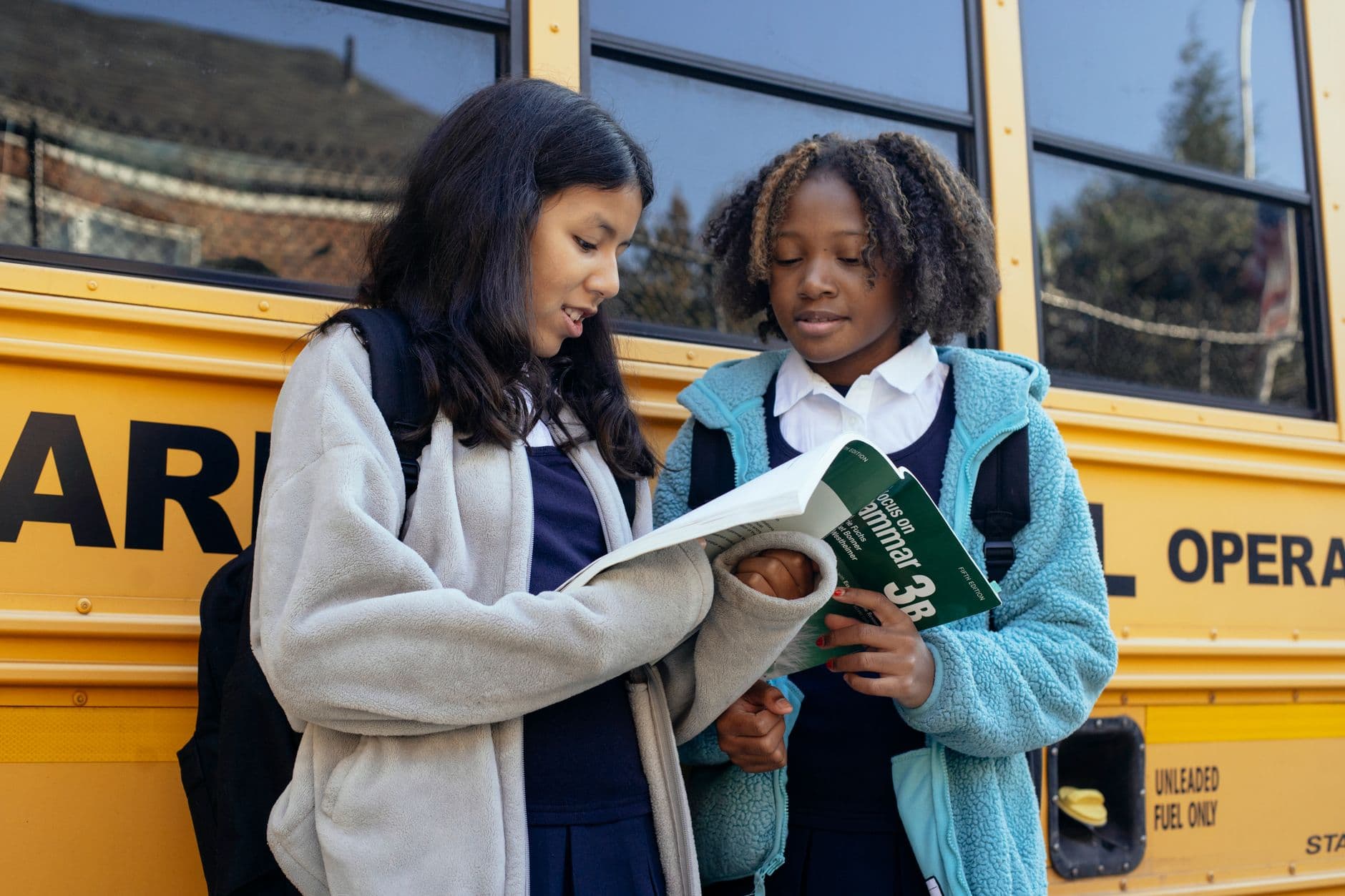
The Black Star Line Literacy Bus rolled out from Urban Reads Bookstore on Greenmount Avenue with a plan to put 5,000 free books into the hands of Baltimore children, families and other neighborhood readers over eight weeks. The mobile library, run by Urban Reads Foundation and powered by Urban Reads Bookstore, is set to move across 14 Baltimore neighborhoods this summer, bringing books directly into communities where access is often uneven.
The bus was unveiled June 7 at 3008 Greenmount Avenue with an “Our Youth, Our Legacy” event that included a 500-book giveaway, interactive literacy stations, live DJ sets, raffles and food. The launch turned the bookstore’s mission into a citywide route, with the bus named in reference to Marcus Garvey’s Black Star Line and built as a community-centered literacy project for youth, families and justice-impacted individuals.
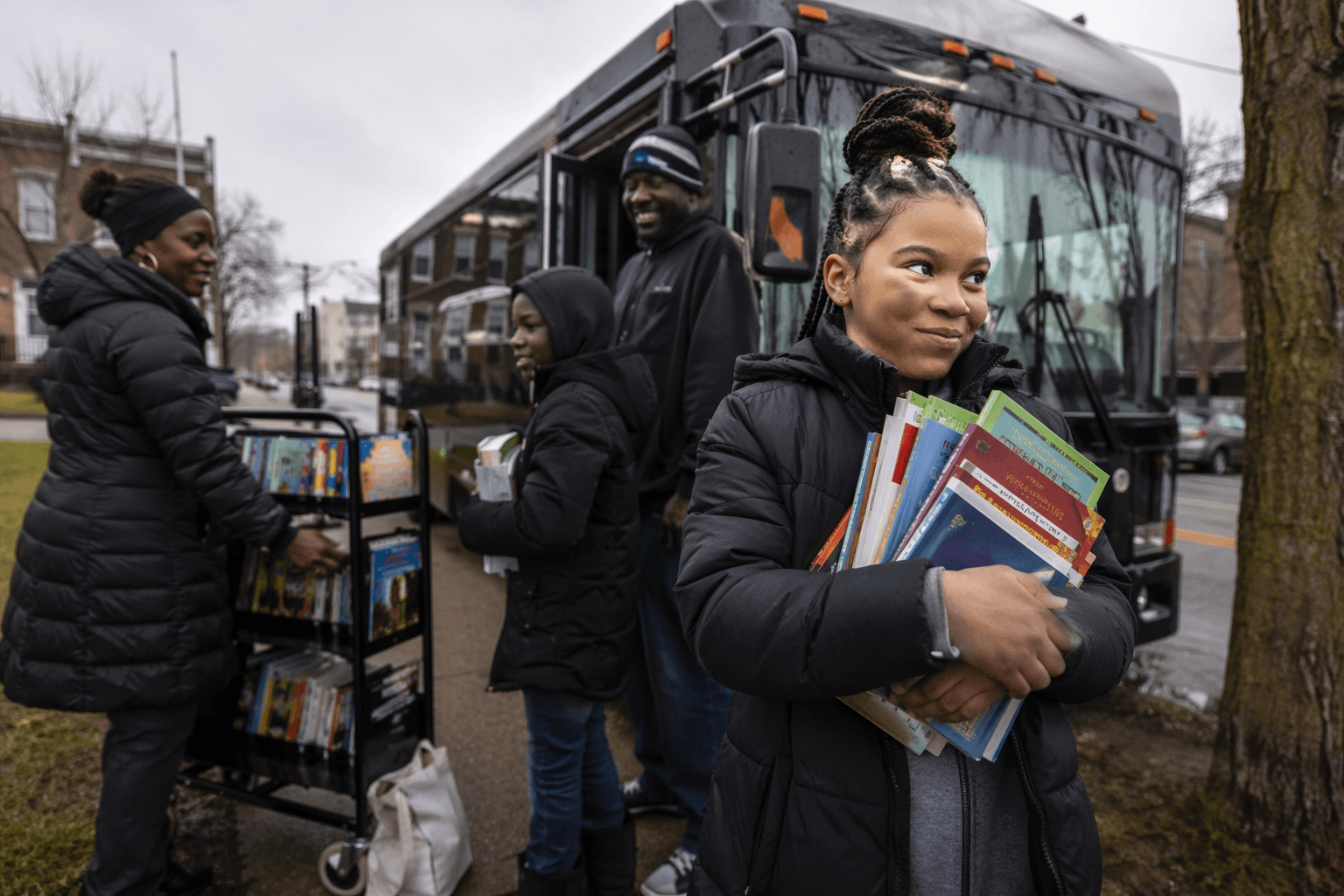
Tia Hamilton, who leads Urban Reads, has tied the project to her own experience and to the need for Black children to see themselves in books. She has said she opened the bookstore after no one would stock her magazine and that the business was meant to give children books that reflect them. Hamilton has also described Urban Reads and its community work as a direct investment in Baltimore’s Black neighborhoods.
The summer tour lands in a city where literacy outcomes remain mixed. Baltimore City fourth-graders scored an average of 186 on the 2024 NAEP reading assessment, well below the 208 average for large-city students. Only 13% of Baltimore City fourth-graders reached NAEP Proficient, while 31% reached at least Basic, showing how far many students still are from grade-level reading.
At the same time, Baltimore City Public Schools said in August 2025 that students had posted nine consecutive years of gains in English Language Arts on state tests. In May 2026, the district said Baltimore showed the largest increases in reading achievement of large urban districts from 2019 to 2025 and from 2022 to 2025 on the Education Recovery Scorecard. That mix of progress and persistent need is part of what gives the bus project its appeal: it puts books into neighborhoods outside school walls, where summer reading access can be thinner and the risk of learning loss is higher.
Hamilton has also said the bookstore faced racist harassment and threats, underscoring the pressure that Black-owned institutions can face even while they are building services for the city. The bus’s route through Baltimore now turns that storefront mission into something far more visible: books arriving block by block, neighborhood by neighborhood.
This article was produced by Prism’s automated news system from verified source data, official records, and press releases, then run through automated quality and moderation checks before publishing. The system is built and supervised by the people who set the standards it runs under. Read our full AI policy.
Did this article answer your question?