Bobby Berger faces backlash over decades of blackface performances
Berger’s blackface performances once canceled a Glen Burnie fundraiser; now the same history shadows his June 23 District 6 primary bid.
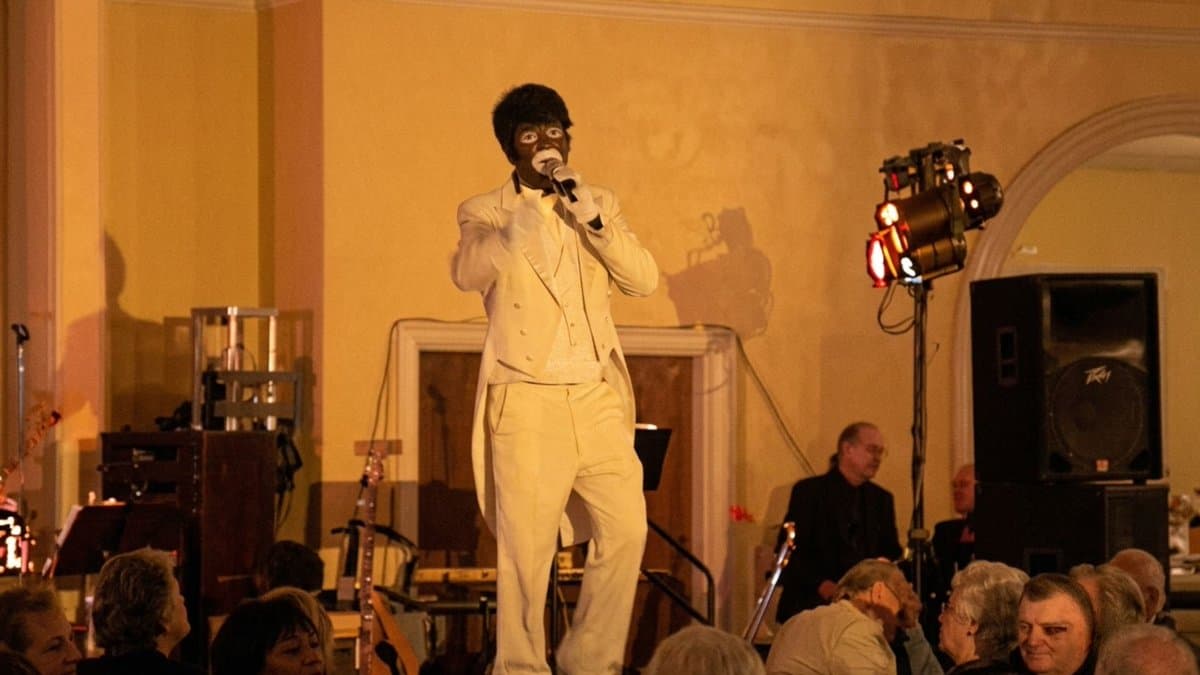
Bobby Berger’s bid for a Maryland House of Delegates seat in District 6 has put a long-recorded blackface act back at the center of local politics. The question now is not just Berger’s past, but what Republican voters in east Baltimore’s political orbit are willing to reward, overlook or reject in a contest that lands just days from the June 23 primary.
Maryland Matters reported June 20 that Berger performed in blackface for decades as an Al Jolson tribute act and that his last such performance was in 2015. Berger is running on the Republican ballot as Bobby “Al Jolson” Berger, a name that has only sharpened scrutiny of how thoroughly the race has been vetted before voters are asked to make their choice.

Berger’s history has already carried political consequences. In 2015, a planned Glen Burnie fundraiser for the six Baltimore police officers charged in the Freddie Gray case was canceled after backlash over Berger’s scheduled blackface entertainment. Earlier reporting said the Baltimore Police Department fired Berger in 1984 over those performances, that he later won reinstatement after a federal appeals court ruling, rejoined the department in 1986 and retired in 1992. Maryland IQ describes him as a disabled Vietnam veteran, a Baltimore City police officer with 20 years of service and an entertainer.

The race also unfolds against the backdrop of a district that has been under Republican control for years. Robin Grammer Long has served as District 6’s Republican delegate since 2015, and Maryland Matters’ voter guide said she introduced legislation on affordability and public safety during the 2026 session. That makes the primary more than a personality test: District 6 voters are being asked to compare records, judgment and the kind of representation they want in Annapolis.

For Baltimore-area voters watching closely, Berger’s campaign now represents a broader accountability question. The controversy has forced a fresh look at candidate backgrounds, party gatekeeping and the standards voters bring to a district tied closely to Baltimore’s political and public-safety debates. With the primary set for June 23, Berger’s past is no longer a side issue. It is part of the race itself.
This article was produced by Prism’s automated news system from verified source data, official records, and press releases, then run through automated quality and moderation checks before publishing. The system is built and supervised by the people who set the standards it runs under. Read our full AI policy.
Know something we missed? Have a correction or additional information?
Submit a Tip