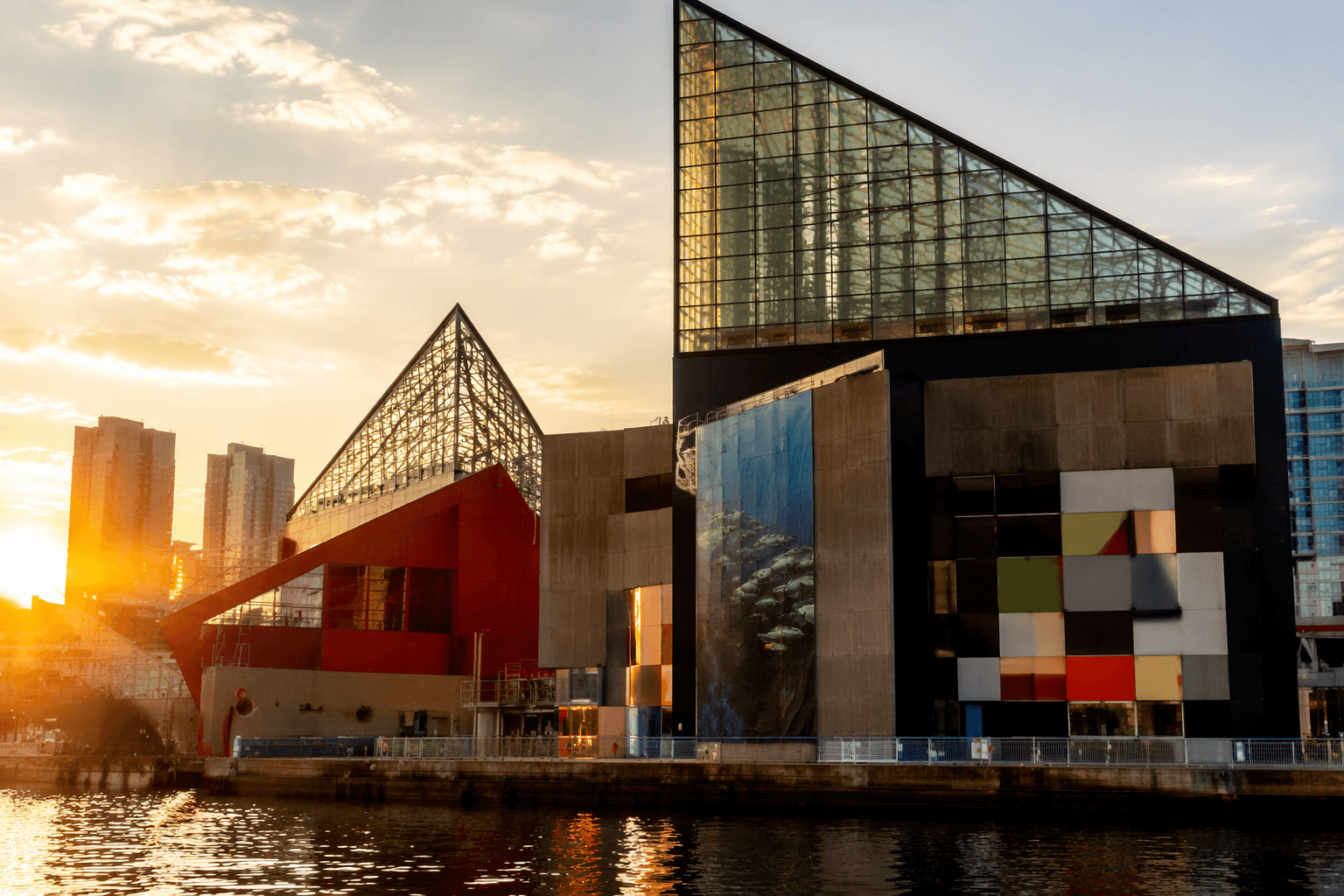
Camden Yards' revival hopes fade as downtown jobs stall
Camden Yards became a national ballpark model, but downtown job counts have stalled, leaving Baltimore to weigh a celebrated stadium against a weak neighborhood payoff.
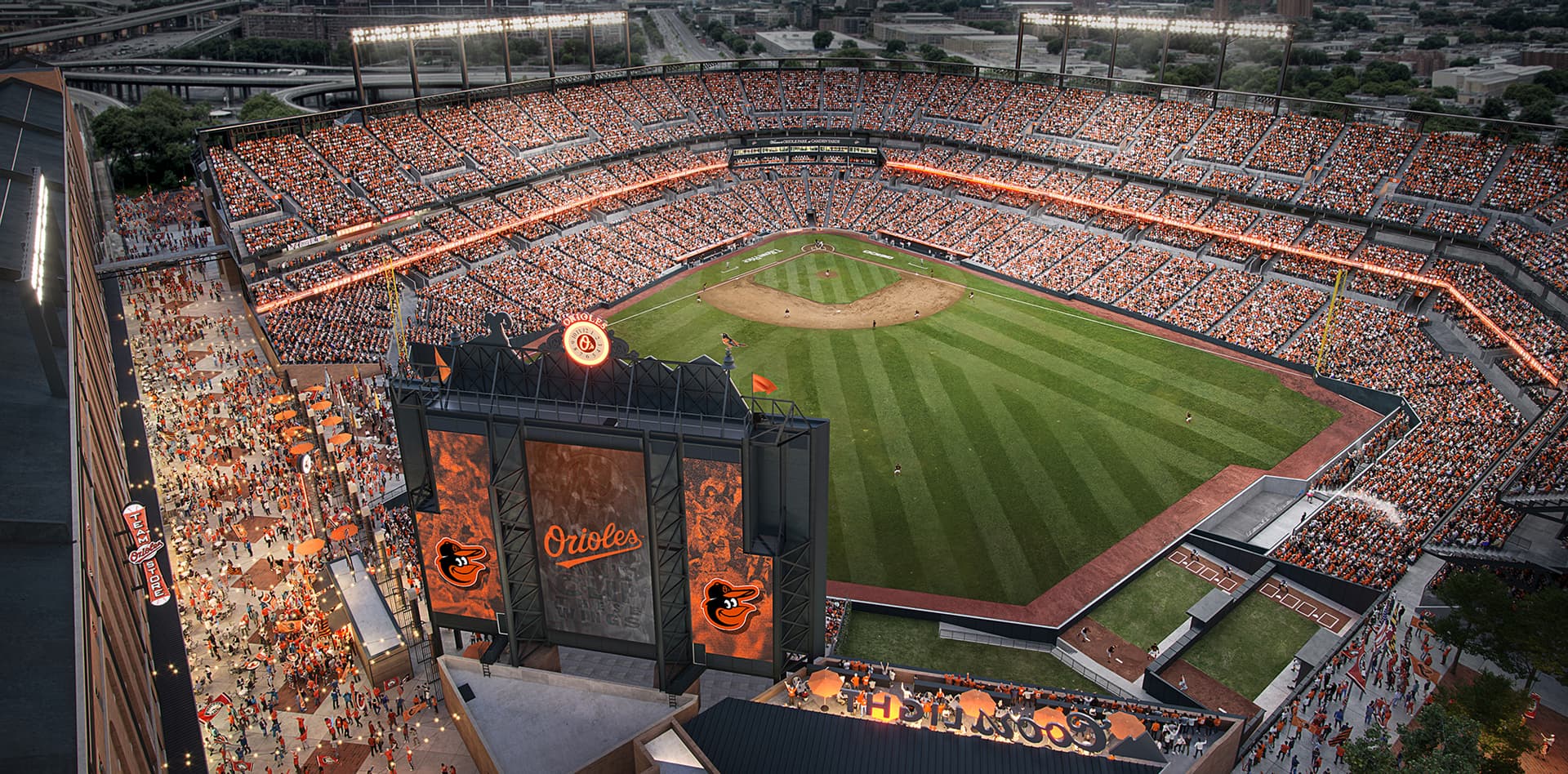
Oriole Park at Camden Yards changed downtown Baltimore’s skyline and became a template for ballparks across the country, but the harder question now is whether it changed the city’s economy in the way boosters promised. The stadium opened on April 6, 1992, and for years it carried the hope that baseball would help extend the downtown revival already underway. Three decades later, the evidence around the ballpark is more mixed than the nostalgia.
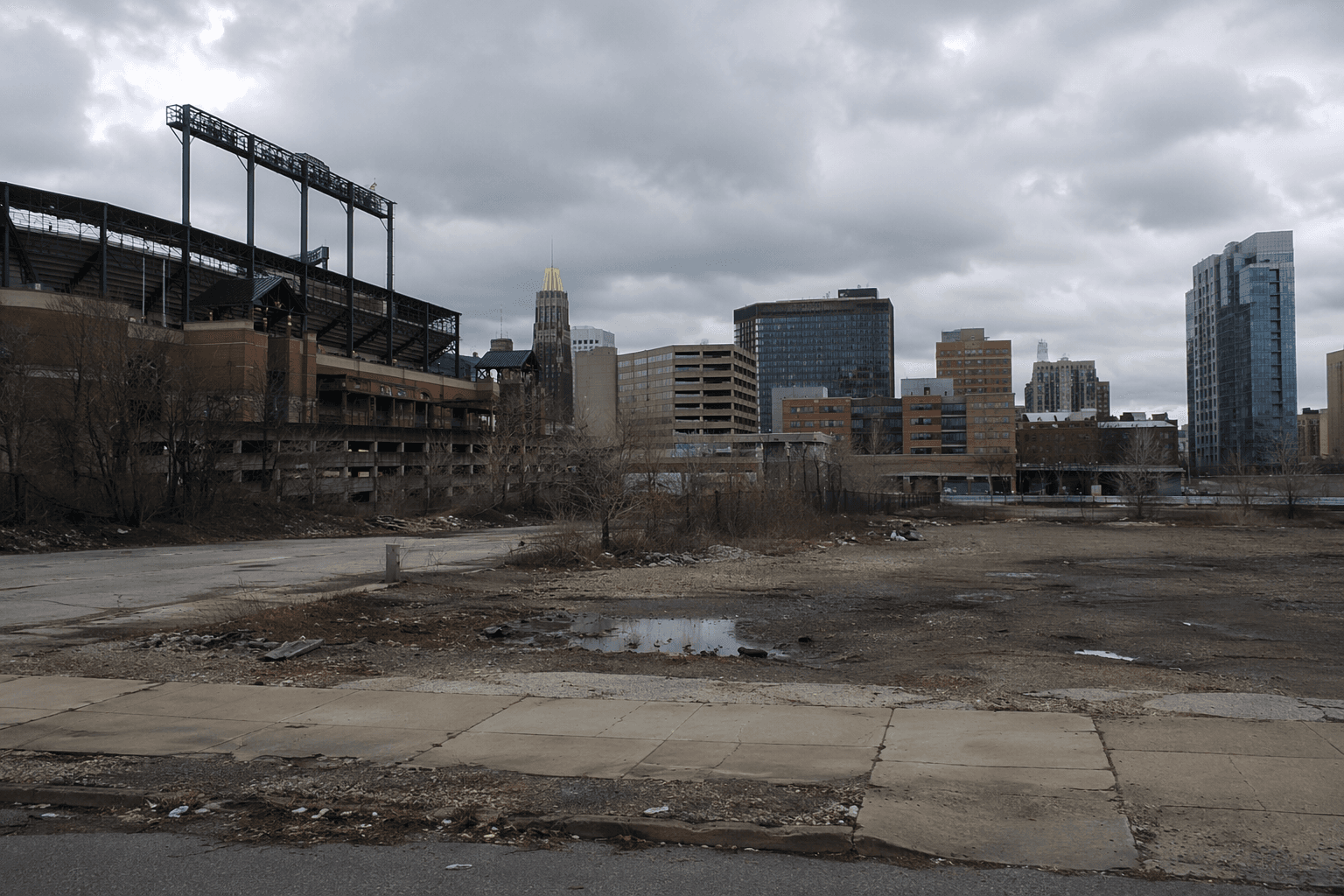
Baltimore Neighborhood Indicators Alliance-Jacob France Institute’s Vital Signs data points to the gap. In Baltimore’s primary downtown neighborhoods, the number of available jobs has either decreased or flattened, and new businesses are not pouring in. Vital Signs, which tracks more than 110 indicators across eight topic areas, is meant to be a neighborhood-level checkup on the city’s quality of life. Its mission is straightforward: strengthen Baltimore neighborhoods with accurate, open data. What it shows downtown is that a celebrated stadium does not automatically produce a healthy everyday economy around it.
That disconnect matters because Camden Yards was never sold as just a place to watch the Orioles. It was part of a wider development strategy meant to support the city center and, more recently, to fit into a year-round live, work, play district. The Orioles, Gov. Wes Moore’s administration and the Maryland Stadium Authority have all said they want the area to bring residents, businesses and tourists downtown throughout the year. The team’s 2023 lease agreement was framed as a way to secure 30 more years in Baltimore and spur redevelopment around Camden Yards.
The redevelopment pitch is also why the downtown numbers carry so much weight. If jobs are flat and new business growth is thin, then the stadium’s spillover benefits are limited to game days, concerts and the crowds that come with them. That leaves nearby streets with a different reality from the one often described in civic speeches: a landmark venue that is still valuable, but not a guarantee of broad-based growth.
Downtown Partnership of Baltimore’s State of Downtown report keeps the focus on office and employment, residential density, retail and hospitality, the sectors that would need to strengthen if Camden Yards is to anchor a stronger core city economy. For Baltimore, the lesson is plain. The ballpark remains one of the city’s most recognizable assets, but the next stadium-linked promise should be judged by whether it creates jobs, supports businesses and fills downtown all week, not just on game nights.
This article was produced by Prism’s automated news system from verified source data, official records, and press releases, then run through automated quality and moderation checks before publishing. The system is built and supervised by the people who set the standards it runs under. Read our full AI policy.
Did this article answer your question?