Complaint accuses Johns Hopkins of repeated animal welfare violations
A watchdog complaint puts Johns Hopkins under the microscope again, seeking federal penalties over alleged repeat animal-care lapses. The case could test the school’s oversight and reputation in Baltimore.
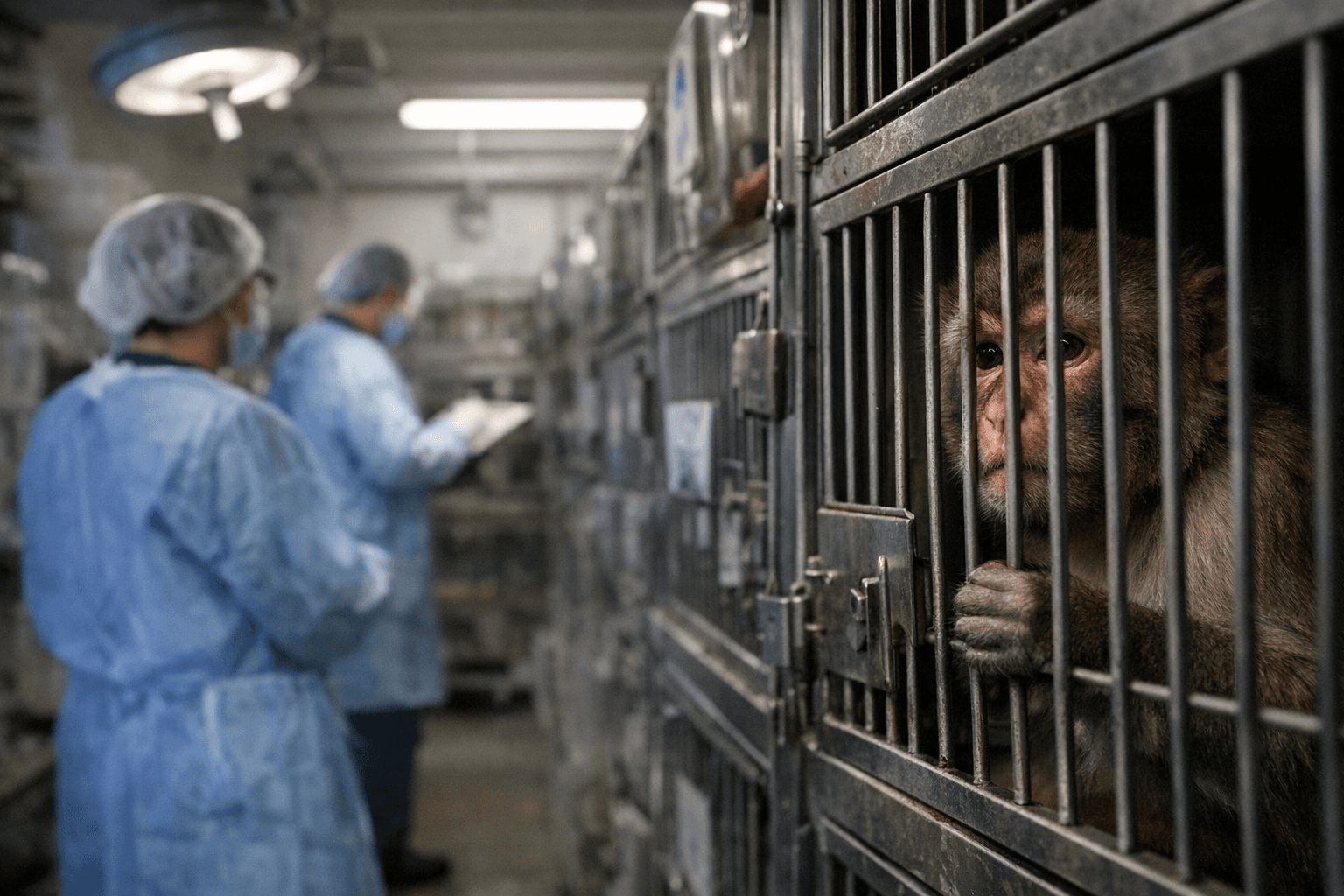
Johns Hopkins University is facing a fresh challenge to its research reputation after a federal complaint accused the Baltimore institution of repeated animal welfare violations and asked the U.S. Department of Agriculture to step in with maximum penalties.
The complaint was filed by Ohio-based Stop Animal Exploitation Now and sent to USDA, according to the reporting provided. It relies on USDA inspection records and internal documents, and it alleges breakdowns in animal care, surgery practices, oversight and recordkeeping. The filing is not a broad political protest. It is an appeal for a formal federal investigation into whether Hopkins repeatedly failed to follow federally approved animal-care rules.
Johns Hopkins said the incidents were self-reported and that the university took corrective action when problems arose. That response is important because it frames the issue as one of compliance, not concealment. The university also said its animal research is overseen by the government, AAALAC and its own Johns Hopkins University Institutional Animal Care and Use Committee.
The school’s published animal-care materials say its Animal Use and Care Committee oversees animal housing and care, veterinary medical care, facilities management, training, occupational health and compliance. Johns Hopkins Medicine says veterinarians are available 24/7 for clinical care and diagnostic support, and that the school complies with USDA regulations and Public Health Service policy. The university also says its Center for Alternatives to Animal Testing has operated since 1981, and that it has re-homed all of its cats and dogs, with none returned for further re-homing.
The complaint lands in a system built for oversight. USDA Animal Care inspectors conduct routine, unannounced compliance inspections, and focused inspections can be triggered by public complaints or allegations. Research facilities that use regulated animals are inspected at least once a year. If regulators decide the allegations merit a deeper look, Hopkins could face closer scrutiny over how it documents violations, corrects problems and reports them internally.
For Baltimore, the stakes go beyond one lab program. Johns Hopkins is one of the city’s most prominent institutions, and a federal case built on inspection records and internal documents could intensify questions about how well its research operations are supervised. If USDA acts, the consequences could reach beyond reputational damage and into the way the university’s research enterprise is monitored, reviewed and defended.
This article was produced by Prism’s automated news system from verified source data, official records, and press releases, then run through automated quality and moderation checks before publishing. The system is built and supervised by the people who set the standards it runs under. Read our full AI policy.
Did this article answer your question?