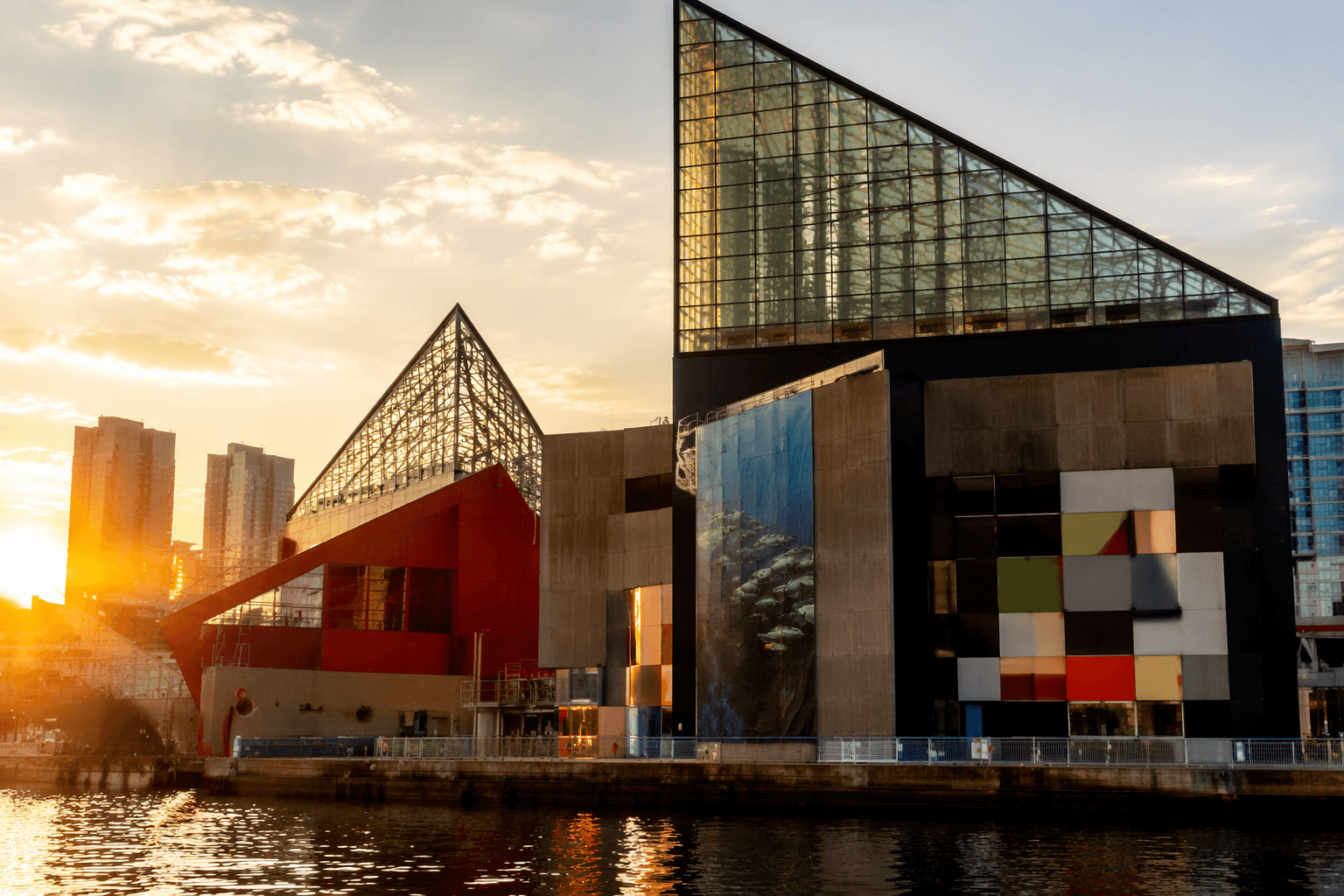
Downtown Baltimore sees fewer residents, rising visitors and falling crime
Downtown crime is falling fast and visitors are surging, but softer office, hotel and residential occupancy show the recovery is still uneven.

Downtown’s recovery is real, but it is not even
Downtown Baltimore is getting safer and busier at the same time it is losing some residents, hotel guests and office tenants. That contradiction is the clearest takeaway from the Downtown Partnership’s 2025 State of Downtown report: the core is improving, but the economic comeback is still patchy.
The numbers show both sides of the story. Downtown now has more than 40,000 residents, and nearly 10,000 people live within the Downtown Management Authority boundaries, yet the one-mile population around downtown slipped from more than 41,500 in 2024 to just under 41,000 in 2025. Hotel occupancy fell 3%, and office and retail occupancy also declined. Even so, downtown remains Baltimore’s largest economic engine, generating more than $122 million in property taxes, 85% of hotel taxes, 75% of parking taxes and 16% of city income taxes.
Safety gains are starting to change the mood
The sharpest improvement is crime. The report says homicides downtown fell 47%, larceny dropped 4%, auto theft fell 32% and overall crime was down 14%. That matters because safety is the most basic test for whether downtown can attract workers, diners, tourists and new residents.
Shelonda Stokes, the Downtown Partnership’s president and CEO, called the moment one of “real and measurable progress,” arguing that downtown is not waiting for a next renaissance but is already in the making through more public and private investment, a growing residential community, steady tourism and better quality of life. That framing reflects what many Baltimore leaders are trying to project: that lower crime is finally creating the conditions for economic recovery, even if the gains have not yet lifted every sector.
Visitors are returning faster than permanent residents
Tourism is one of downtown’s strongest signals. Baltimore welcomed 28.5 million visitors in 2025, and visitor spending reached $4.3 billion, up 7.5% from the prior year. That matters for restaurants, parking operators, the Baltimore Convention Center, retail corridors and attractions around the Inner Harbor, where foot traffic helps offset weakness in office leasing and residential turnover.
The report also suggests that downtown’s recovery is being driven by places that can reliably draw crowds. CFG Bank Arena hosted 90 live performances last year, including 25 sold-out shows, and drew more than 814,000 attendees. The CIAA Tournament has generated nearly $110 million in economic impact since coming to Baltimore in 2022, reinforcing how major events can keep downtown active even when day-to-day occupancy numbers lag.
The fiscal stakes reach far beyond downtown
Downtown is not just a neighborhood issue. It is a major revenue base for the city and, as Lt. Gov. Miller has emphasized, a downtown rebound has statewide consequences. The tax and visitor data show why: when downtown improves, the benefits reach city services, employers, hotels, garages and public venues across Baltimore.
That is also why city leaders continue to treat downtown as central to Baltimore’s long-term fiscal health. The report notes that downtown workers still number in the tens of thousands, so even modest gains in office usage or daily foot traffic could have outsized effects on transit, lunch spots, retail and public safety. For residents elsewhere in Baltimore, downtown’s performance still shapes the city’s image with visitors, investors and state officials.
Where the next lift could come from
The biggest question is whether lower crime will finally translate into fuller buildings and more permanent activity. Several projects are meant to push that link in the right direction.
Downtown RISE, a 10-year master plan adopted in fall 2025, is meant to make downtown more walkable, more connected and more like a neighborhood, not just a nine-to-five district. The plan emphasizes cleaner and safer streets, public art and plantings, BOOST business support and Operation Storefront, which aims to activate retail and reduce the number of vacant or blank facades. In practical terms, that means more reasons to linger on blocks that have long gone dark after work hours.
The plan’s logic is straightforward: safer streets should help support more storefront activity, which in turn can strengthen residential demand and make office and hotel occupancy easier to rebuild. The report also points to adaptive reuse of office space and new business openings as signs that downtown’s physical stock is being reconsidered, not just maintained.
Harborplace, State Center and the PILOT could reshape the core
The most visible future catalyst is Harborplace. The roughly $1 billion redevelopment is expected to begin in fall 2026 and would replace the mostly vacant harbor pavilions with a mixed-use project that includes a park, housing, retail, commercial space and parking. If it moves ahead as planned, Harborplace could become one of the clearest tests of whether downtown’s stronger safety and visitor numbers can support a denser, more lived-in waterfront.
The city and state are also pursuing a downtown payment-in-lieu-of-taxes incentive, or PILOT, which supporters say would give developers more predictability and help unlock investment. The incentive is being positioned to support downtown projects and could sunset in mid-2036, making the current window especially important for developers weighing large, long-term commitments.
Another major variable is the planned relocation of 5,000 state employees from State Center into downtown. That move would matter far beyond one office address. More state workers downtown would mean more weekday foot traffic, more lunch business, more transit use and a stronger argument for office and retail occupancy in surrounding blocks.
A downtown at an inflection point
The report’s bottom line is not that downtown Baltimore has solved its problems. It is that the core has reached an inflection point: crime is down, visitors are up and major projects are finally aligned with a public policy push to make the area feel more like a neighborhood. But hotel, office and retail occupancy still have not caught up.
That gap is the real story. Downtown Baltimore is safer than it was, busier than many expected and still the city’s biggest economic engine. The next phase will depend on whether those gains can be converted into more residents, fuller buildings and a daily economy that lasts after the event crowds go home.
This article was produced by Prism’s automated news system from verified source data, official records, and press releases, then run through automated quality and moderation checks before publishing. The system is built and supervised by the people who set the standards it runs under. Read our full AI policy.
Did this article answer your question?