Downtown planters overhaul aims to boost walkability and green space
Downtown Partnership of Baltimore announced a plan to replace 260 planters with 425 curbside planters to improve streetscape visibility, maintenance, and sidewalk access.
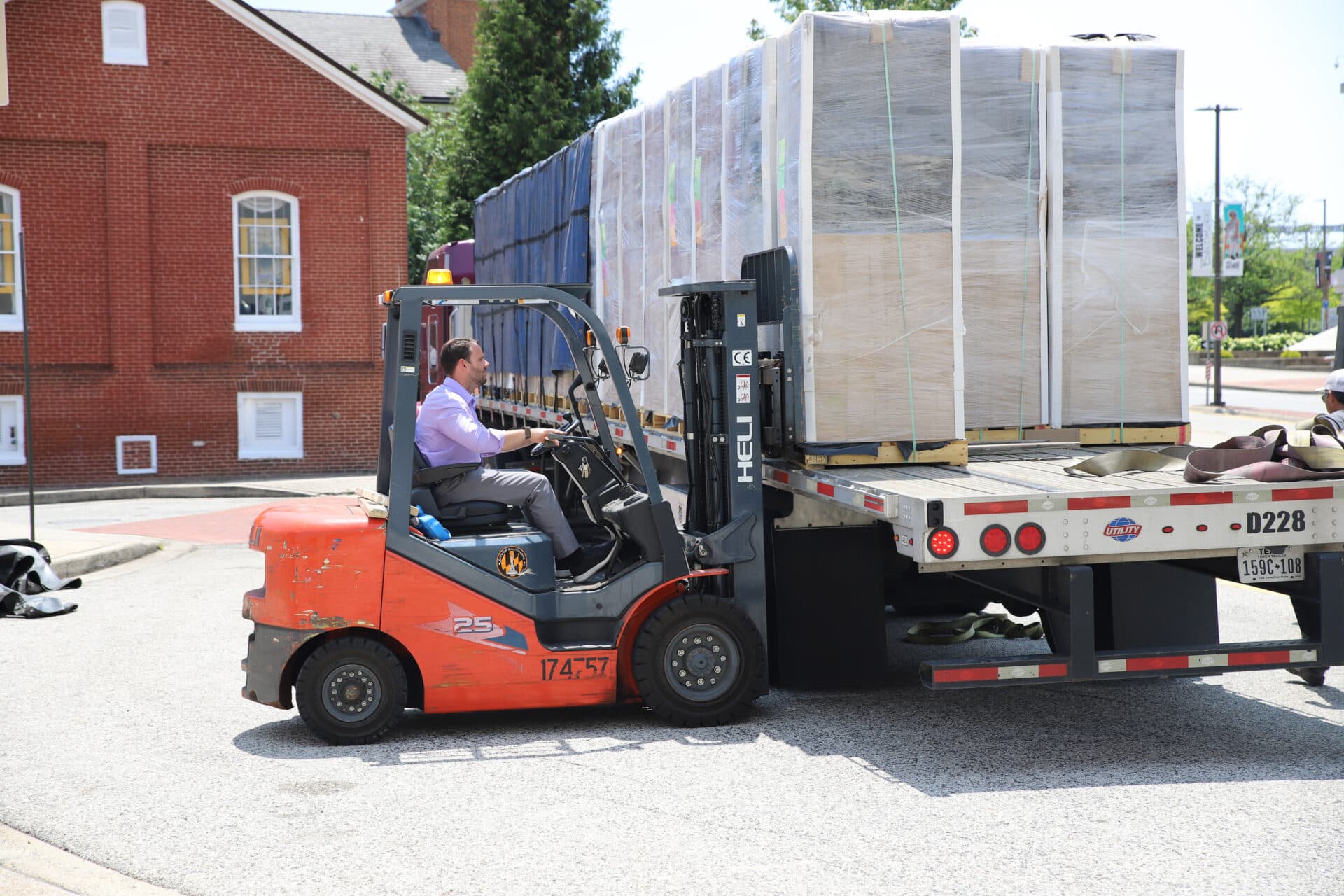
Downtown Partnership of Baltimore on January 9, 2026 announced a major refresh of DPOB-branded planters across the 106-block Downtown Management Authority area, part of an effort to create a more unified, welcoming streetscape that supports visibility, sustainability, and easier maintenance.
The plan replaces 260 existing planters with 425 new, strategically placed planters. DPOB outlined a phased rollout, with Phase One installing standard planters in high-traffic corridors by May 2025 and Phase Two placing cluster planters in gateway and civic spaces by September 2025. The announcement said existing planters would be removed on a rolling basis beginning April 2025. All new planters are to be placed curbside so sidewalks remain walkable. DPOB also said it will no longer accept business planter requests and directed questions to its staff.

For downtown residents, commuters, people who use wheelchairs or mobility devices, and parents with strollers, the curbside placement is a practical detail with public health implications. Keeping sidewalks clear reduces trip hazards and improves accessibility to transit stops, clinics, schools, and downtown offices. A more unified streetscape can also improve sightlines for pedestrians and drivers, contributing to street safety at crosswalks and intersections.
The announcement frames the project as a response to maintenance problems and poor placement that left many planters difficult to care for. Easier maintenance can stretch scarce public and private resources, reducing costs over time and ensuring plantings remain healthy rather than becoming neglected patches that attract litter or obstruct walkers. Strategically placed plantings can also provide modest environmental benefits downtown by softening heat islands, capturing rainfall at the curb, and improving air quality, small but meaningful public health gains in dense urban corridors.
The change affects local businesses in a direct way: requests for new business planters are no longer being accepted. That policy shift could leave small storefronts that had planned to add curbside greenery without that option. Property managers, delivery drivers, and outdoor dining operators should expect a visible reconfiguration of curbspace as removal and installation proceed on a rolling schedule.
The plan’s concentrated focus on downtown raises equity questions about distribution of public landscaping resources across the city. Residents and neighborhood advocates outside the DMA may see the investment as beneficial downtown but will likely continue to push for similar attention in other commercial corridors that serve working families and frontline workers.
Our two cents? Watch for rolling removals and new curbside plantings, report any sidewalk obstructions to Downtown Partnership of Baltimore staff, and if you rely on downtown sidewalks for work or appointments, plan for small changes to curb access as the refresh continues.
This article was produced by Prism’s automated news system from verified source data, official records, and press releases, then run through automated quality and moderation checks before publishing. The system is built and supervised by the people who set the standards it runs under. Read our full AI policy.
Did this article answer your question?


