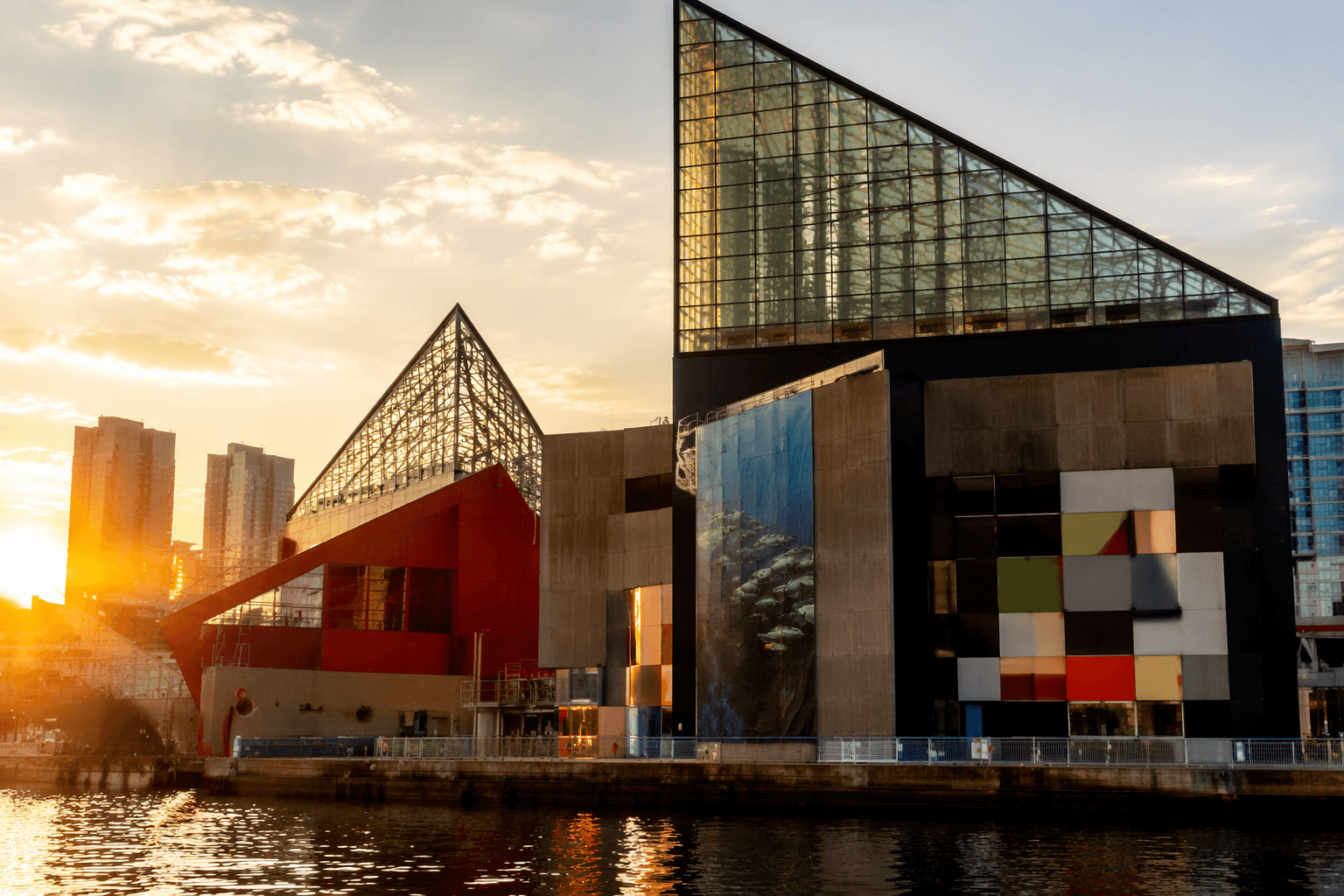
Event-driven entertainment helps Baltimore draw visitors, boost local business
Baltimore is using events like Preakness, AfroPreak and the Met Gala to do more than entertain. The real test is whether the gains spread beyond the waterfront and downtown core.
Baltimore’s newest entertainment strategy is no longer just about filling a calendar. It is about whether a city known for its neighborhoods can turn live events into a development tool that brings people downtown, keeps them there, and sends money back into local businesses.
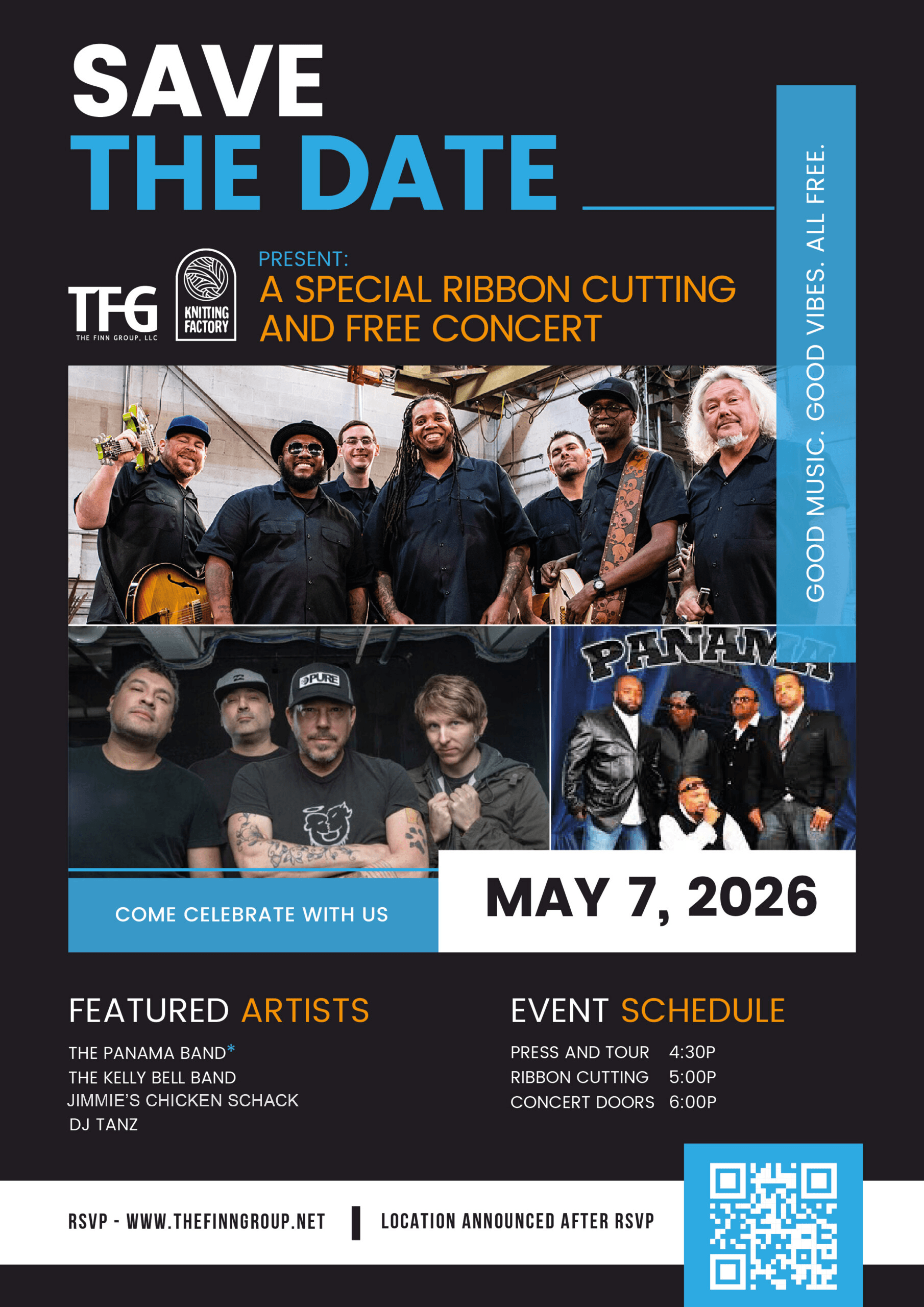
That was the through line in WBAL-TV 11’s May 5 segment, where Lauren Phinney spoke with LaRain Finney, Derek Chase and Shelonda Stokes about how The Finn Group is trying to make Baltimore feel like a destination with more than one audience. The group said its premier events help drive tourism, promote local businesses and deepen community bonds, a framing that treats the Baltimore MET Gala, AfroCreek and Preakness-related programming as part of the city’s economic identity rather than one-night spectacle.
The clearest test is coming with Preakness 151, scheduled for May 16 at Laurel Park while Pimlico Race Course undergoes renovations. Visit Baltimore describes this year’s Preakness as a two-day celebratory event with luxury experiences, food vendors and entertainment, but the race itself is no longer centered at the traditional Baltimore track. At the same time, AfroPreak is set for Saturday, May 16 at Power Plant Live, where the event description says it will celebrate Black music, creativity and community through hip-hop, Afrobeats and electronic sounds. Together, those events show how Baltimore is leaning on multiple venues, not just one marquee site.

That spread matters because the benefits are uneven. Power Plant Live, the Inner Harbor and nearby nightlife corridors are the most obvious winners, along with bars, restaurants and merchants in Federal Hill, Harbor Point and Fells Point, where the Baltimore Police Department’s Entertainment District Unit already works evening and day shifts to support safer nightlife. The Downtown Partnership of Baltimore, which says its mission is to promote, advance and stimulate downtown’s economic health and vitality, has paired that public-safety approach with Downtown Rise, a plan to make downtown more walkable, safe and fun.
The economic case is strong. A Maryland task-force report found Visit Baltimore’s sales and marketing efforts generated more than 20-to-1 in direct spending on average, and about $1.11 in local tax impact for every dollar spent. That helps explain why organizers keep pushing polished, city-specific experiences aimed at young people and visitors who want walkable places to spend time. The harder question is whether those gains can reach beyond the usual downtown and waterfront zones, or whether Baltimore’s event economy will keep concentrating in the same familiar corridors.
This article was produced by Prism’s automated news system from verified source data, official records, and press releases, then run through automated quality and moderation checks before publishing. The system is built and supervised by the people who set the standards it runs under. Read our full AI policy.
Did this article answer your question?