Faith Leaders Hold Vigil, Read Names of 2025 Homicide Victims
On the evening of December 29, a coalition of faith based organizations led a candlelight prayer walk from St. Joseph’s Monastery to a Catholic Charities resource center, reading the names of 2025 homicide victims and calling for an end to gun violence. The vigil brought family remembrances and community grief into public view, even as city leaders noted that the Group Violence Reduction Strategy and coordinated policing efforts helped produce an overall year to date decline in homicides compared with the prior year, while stressing that every death remains unacceptable.
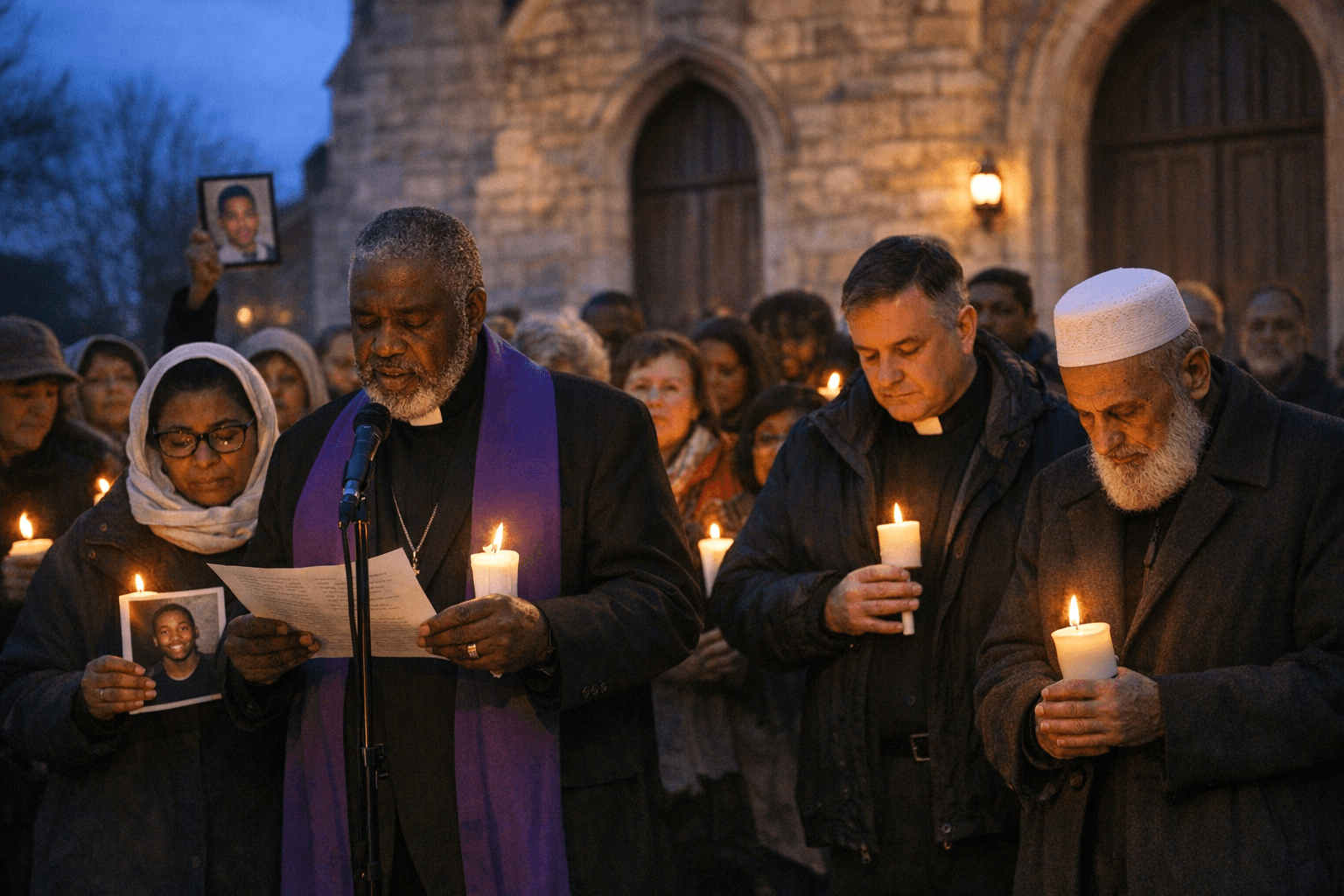
Hundreds gathered in the cold on December 29 as clergy, congregants and family members moved slowly from St. Joseph’s Monastery to the Catholic Charities resource center, holding candles and pausing to read the names of 2025 homicide victims. Organizers framed the event as both a memorial and a demand for action, and family members shared personal remembrances that turned statistics into immediate human loss.
The vigil followed a string of weekend shootings, including a double shooting on East Madison Street that renewed urgency among attendees. City leaders who joined the vigil reiterated that the Group Violence Reduction Strategy and coordinated policing efforts contributed to an overall year to date decline in homicides compared with the prior year, while cautioning that such gains do not lessen the pain for those who have lost loved ones. The juxtaposition of policy talk with grieving families highlighted the gap between system level trends and everyday suffering in neighborhoods still grappling with violence.
For Baltimore residents the event underscored multiple public health implications. Repeated exposure to gun violence compounds trauma, strains mental health services and places additional burdens on hospitals and first responders. Family members who attended described an ongoing need for grief counseling, survivor support and community based resources that can help prevent cycles of retaliation and despair. The presence of faith based groups and Catholic Charities emphasized the role that community institutions play in both immediate relief and long term recovery.
Policy discussions at the vigil pointed to two parallel needs. Coordinated policing and targeted violence reduction strategies can affect city wide homicide totals, yet community leaders and families made clear that public safety also depends on investments in youth services, mental health care, housing stability and economic opportunity. Those demands point to broader questions of resource allocation and equity across neighborhoods most affected by violence.
As the year closed, the candlelight vigil served as a reminder that numbers alone do not capture the full cost of homicide to Baltimore families and neighborhoods. Organizers said the event aimed to keep victims visible, to sustain pressure for policy responses that include healing and prevention, and to call for a city in which every life is valued and protected.
This article was produced by Prism’s automated news system from verified source data, official records, and press releases, then run through automated quality and moderation checks before publishing. The system is built and supervised by the people who set the standards it runs under. Read our full AI policy.
Did this article answer your question?


