Former EBDI vice president sues Scott, alleges race discrimination
A former EBDI vice president says he was pushed out after a 2024 promotion, setting up a race-discrimination suit that reaches into City Hall.
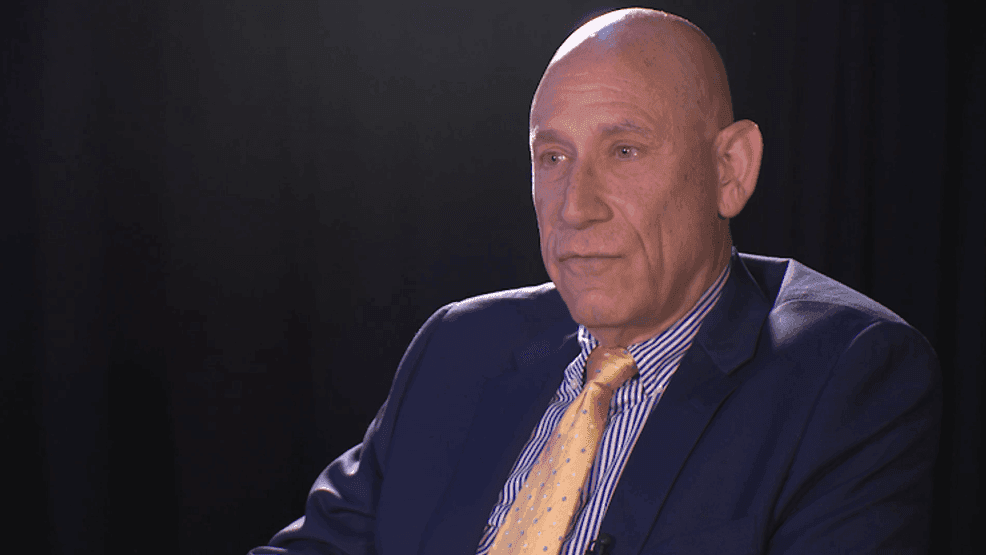
A former East Baltimore Development, Inc. executive has accused Mayor Brandon M. Scott, a top city political ally and the nonprofit behind one of Baltimore’s biggest redevelopment efforts of firing him because he is Black.
The lawsuit by Andrew Freeman pulls a personnel fight inside East Baltimore Development, Inc. into the open and raises a broader question for Baltimore residents: who gets to shape jobs, land use and investment in a city institution that was created to rebuild East Baltimore. The city describes EBDI as a 501(c)(3) formed by community, government, institutional and philanthropic partners to revitalize the area, with articles of incorporation filed Sept. 5, 2002.
Freeman worked for EBDI for years and was promoted in 2024 to vice president of real estate development before being fired shortly afterward. The complaint says his work helped the organization move from the verge of bankruptcy to significant working capital through land-based self-development and joint ventures. Freeman said he was told his role did not “fit in” after a restructuring.
The complaint also alleges that EBDI chief executive Cheryl Washington told Freeman the termination decision “was not made by her and that she did not agree with it,” and that he was terminated at the direction of Calvin Allen Young III. The suit names Scott, Young, the Mayor and City Council of Baltimore and EBDI as defendants.

The case does not stand alone. Freeman had previously told City Hall he intended to sue Scott for retaliation over political expression or association, saying he was fired for supporting Sheila Dixon in the Democratic mayoral primary. That earlier claims notice also said Young, who was Scott’s campaign treasurer and chair of EBDI at the time, told staff that future projects on the 88-acre East Baltimore site had to be awarded to Black developers. It also said Young vetoed a $10,000 pay increase tied to Freeman’s promotion.
The legal theory now moving through federal court is race discrimination, and the Equal Employment Opportunity Commission says an unlawful employment action can be motivated in whole or in part by race. For Baltimore, the dispute reaches beyond one executive’s firing. EBDI’s decisions have long influenced what gets built, who gets hired and which developers benefit around East Baltimore, making the lawsuit a test of how transparently power is exercised in one of the city’s most important redevelopment arenas.
This article was produced by Prism’s automated news system from verified source data, official records, and press releases, then run through automated quality and moderation checks before publishing. The system is built and supervised by the people who set the standards it runs under. Read our full AI policy.
Did this article answer your question?