Historic East Baltimore Coalition Will Close, Ending Key Services
The Historic East Baltimore Community Action Coalition announced it will cease operations after 31 years following a loss of operational funding and depleted unrestricted reserves. The closure will shutter youth education and shelter programs in coming weeks, creating immediate service gaps that Baltimore leaders and residents must address.
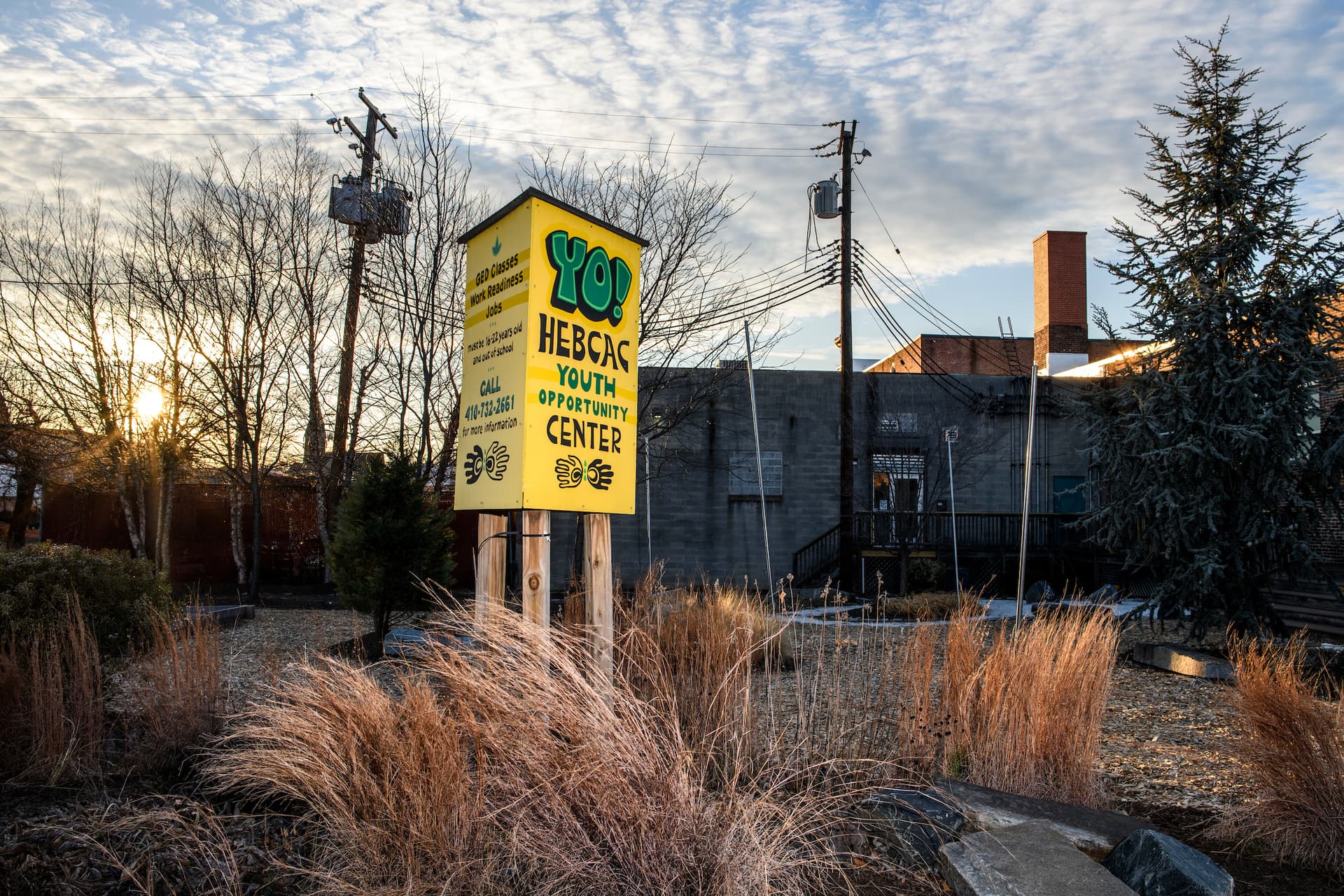
The Historic East Baltimore Community Action Coalition announced on December 11, 2025 that it will wind down operations after 31 years because it lost operational funding and exhausted its unrestricted reserves. Leadership said the decision was difficult and they are working to transfer neighborhood revitalization and service efforts to other groups, but several frontline programs will stop in the weeks ahead.
The Baltimore City Eastside Youth Opportunity Center, which provides support for teens who are not enrolled in school as they pursue GEDs and employment, is scheduled to end operations on December 13, 2025. Dee's Place, the coalition's peer recovery program, will be impacted and scale back services. The NEST, a 10 bed transitional shelter serving people aged 18 to 24 who are unhoused, is slated to close on January 30, 2026. Those program dates mean immediate reductions in services for young people seeking education credentials, recovery supports, and transitional housing as winter approaches.
For Baltimore residents the consequences will be concrete. The closure of the youth center interrupts an educational and workforce entry pathway for disenrolled teens, likely increasing demand on schools, workforce programs, and other nonprofits. Loss of the NEST reduces transitional housing capacity for a vulnerable cohort that public agencies and shelters already struggle to serve. Peer recovery clients who relied on Dee's Place will face disrupted continuity of care, a risk factor for relapse and increased emergency service use.

The fiscal explanation underscores a broader nonprofit finance problem. Falling operational funding and depleted unrestricted reserves point to constrained public and private funding streams and the limits of project based grants that leave organizations without flexible support. The coalition is attempting to transition projects to other community organizations, but short timelines and capacity limits among local nonprofits and city agencies mean gaps are likely unless new funding or rapid partnerships are secured.
City officials, philanthropic partners, and service providers will need to assess how to absorb displaced clients and preserve critical workforce and housing supports. For residents, the immediate priorities are protecting at risk young people and ensuring recovery clients do not lose access to services. Over the longer term this closure highlights the need for sustained operating support for neighborhood based organizations that anchor workforce pathways, recovery networks, and transitional housing in Baltimore.
This article was produced by Prism’s automated news system from verified source data, official records, and press releases, then run through automated quality and moderation checks before publishing. The system is built and supervised by the people who set the standards it runs under. Read our full AI policy.
Did this article answer your question?


