Howard Street Tunnel opens, boosting Port of Baltimore freight capacity
Baltimore’s Howard Street Tunnel is now open for double-stack rail, a change officials say could move 160,000 more containers a year and support 13,000 jobs.
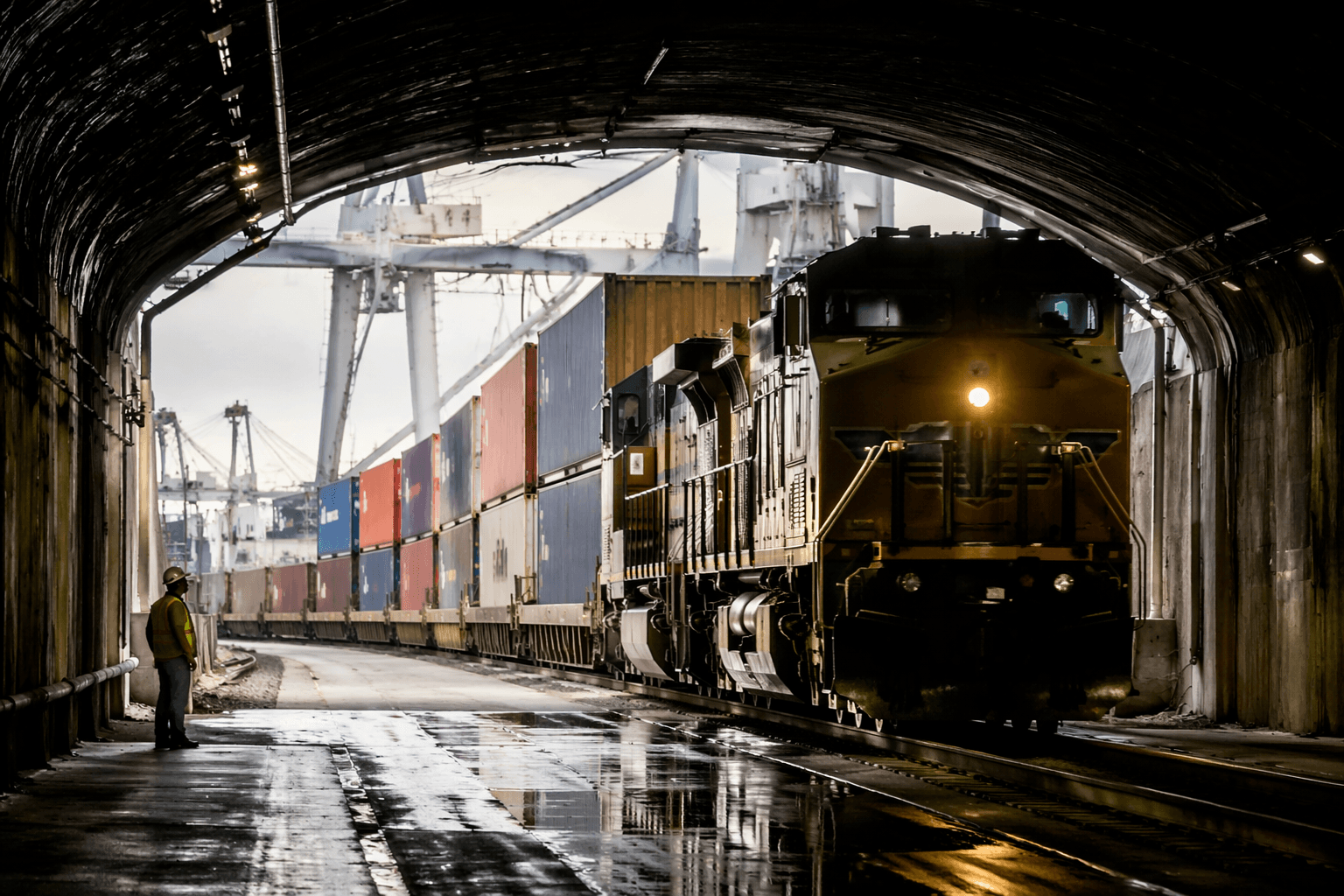
Baltimore’s Port of Baltimore got a major freight boost as the Howard Street Tunnel opened for full double-stack rail service, a change state and railroad officials said will help the city compete for cargo, jobs and investment on the East Coast. The long-blocked route under downtown Baltimore had capped how much freight could move by rail; now, officials say, it can move taller intermodal trains between the port, Midwest markets and the broader East Coast network.
The project carries direct economic stakes for workers at the port, trucking firms, warehouses and shipping businesses tied to Baltimore’s logistics economy. Maryland officials said the tunnel opening could add about 160,000 containers a year and support 13,000 jobs, with the broader annual economic impact approaching $1 billion. Governor Wes Moore, CSX leaders, U.S. Sen. Angela Alsobrooks and other federal and state officials used the ribbon cutting to argue that Baltimore is better positioned to win freight traffic that might otherwise flow through competing ports.
The tunnel itself is a 1.7-mile railroad passage built in 1895. Maryland’s Port Administration said its clearance had been as much as 18 inches short of what was needed for double-stack service, forcing freight constraints that other ports had already solved. Work to lower the tunnel floor began in 2022, and the project also included clearance fixes at 21 other locations in Maryland, Delaware and Pennsylvania to create a continuous route for double-stack trains.

The final cost came in at $495 million, below the projected $566 million price tag, with Maryland contributing $217 million. The Office of Governor Wes Moore said the project expands the 131-year-old tunnel by 18 inches and complements Seagirt Marine Terminal and its Neo-Panamax cranes, strengthening the port’s ability to handle larger ships and move cargo inland more efficiently.
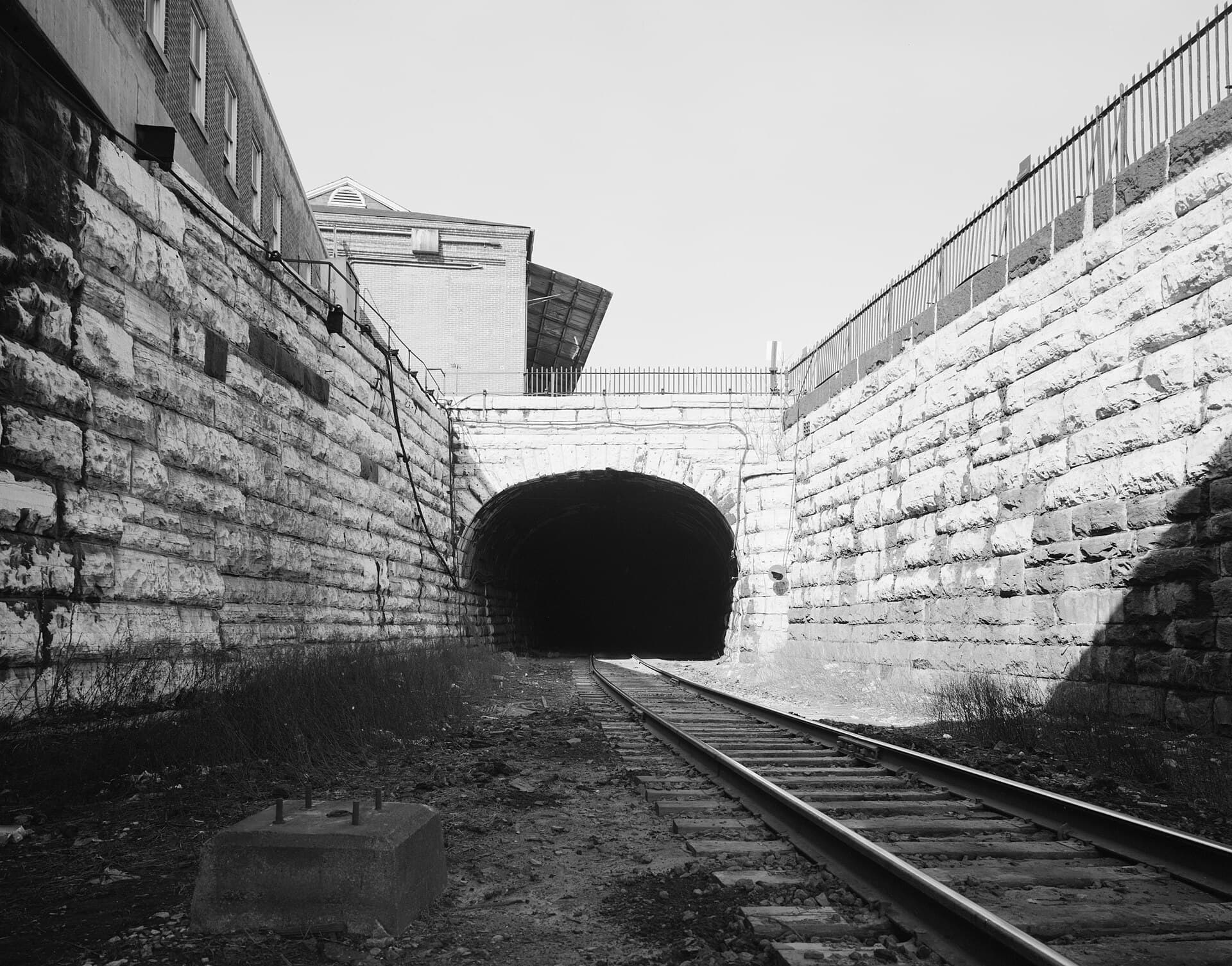
CSX said the route creates double-stack service from Baltimore through the East Coast and toward Midwest markets, while also shifting more freight off highways and reducing emissions. The company had announced in 2021 that work would begin in 2022 on $466 million in improvements, later saying the expanded tunnel reopened ahead of schedule on Sept. 26, 2025 before the full operating launch on June 22, 2026. For Baltimore, the opening marks a practical change in how much freight the city can handle and how much business it can pull in.
This article was produced by Prism’s automated news system from verified source data, official records, and press releases, then run through automated quality and moderation checks before publishing. The system is built and supervised by the people who set the standards it runs under. Read our full AI policy.
Know something we missed? Have a correction or additional information?
Submit a Tip

