Johns Hopkins Develops Nanoparticles That Build Cancer-Fighting Immune Cells Inside the Body
Hopkins researchers built biodegradable nanoparticles that find T cells inside the body and reprogram them to attack leukemia, lymphoma, and lupus.
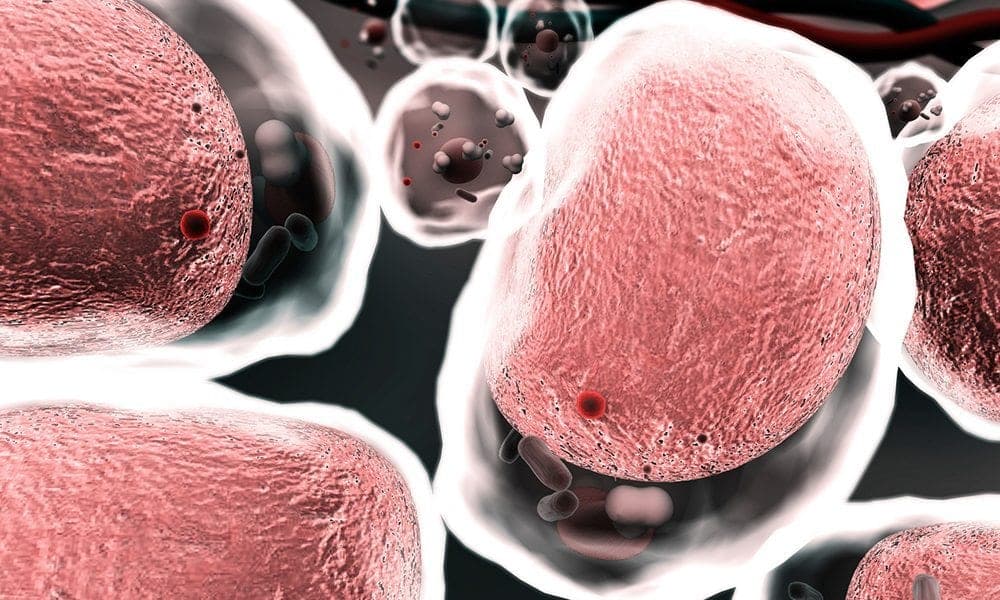
Researchers at the Johns Hopkins University School of Medicine have engineered microscopic particles that slip into the body, hunt down immune cells, and rewrite their instructions on the spot, a laboratory advance that could one day make one of medicine's most powerful cancer treatments far cheaper and easier to deliver.
The work, published March 11 in Science Advances and led by biomedical engineering professor Jordan Green, Ph.D., centers on targeted polymeric nanoparticles, or tPNPs, built from poly(beta-amino ester) polymers. The particles carry a strand of mRNA encoding an anti-CD19 chimeric antigen receptor and are coated with anti-CD3 and anti-CD28 antibodies, molecular hooks that help the nanoparticles find and activate T cells circulating in the bloodstream. Once a T cell takes up the mRNA payload, it begins producing a surface receptor designed to recognize and destroy B cells, the immune cells implicated in lupus and B-cell cancers including leukemia and lymphoma.

The polymer scaffold is biodegradable, breaking down after it delivers its cargo rather than accumulating in tissue.
The driving problem behind the research is cost and access. Current CAR-T therapies, which have revolutionized treatment for certain blood cancers, require physicians to extract a patient's T cells, ship them to a specialized manufacturing facility for genetic engineering, and reinfuse the modified cells weeks later. That process is technically demanding, time-consuming, and enormously expensive, placing these therapies out of reach for many patients worldwide. "Given the logistical complexities and costs associated with ex vivo CAR-T cell manufacturing, in vivo generation of CAR-T cells has the potential to make these therapies safer and more accessible," the researchers noted.
Green's team at Hopkins is attempting to collapse that entire manufacturing chain into a single injectable platform. Rather than engineering T cells in a lab, the tPNPs perform that reprogramming inside the patient's own body, delivering the genetic instructions directly to T cells without ever removing them.
The research remains a laboratory advance at this stage. The Science Advances paper does not include published clinical trial data, and no timeline for human studies has been announced. Still, the approach places Johns Hopkins at the center of a rapidly moving field seeking to democratize cellular immunotherapy, potentially bringing treatments for leukemia, lymphoma, and autoimmune disease within reach of patients who currently have no viable path to CAR-T care.
This article was produced by Prism’s automated news system from verified source data, official records, and press releases, then run through automated quality and moderation checks before publishing. The system is built and supervised by the people who set the standards it runs under. Read our full AI policy.
Did this article answer your question?