Johns Hopkins funding squeeze threatens Baltimore medical research hub
Johns Hopkins froze hiring and paused raises as funding shocks hit Baltimore labs, putting hundreds of trials, jobs and research projects at risk.
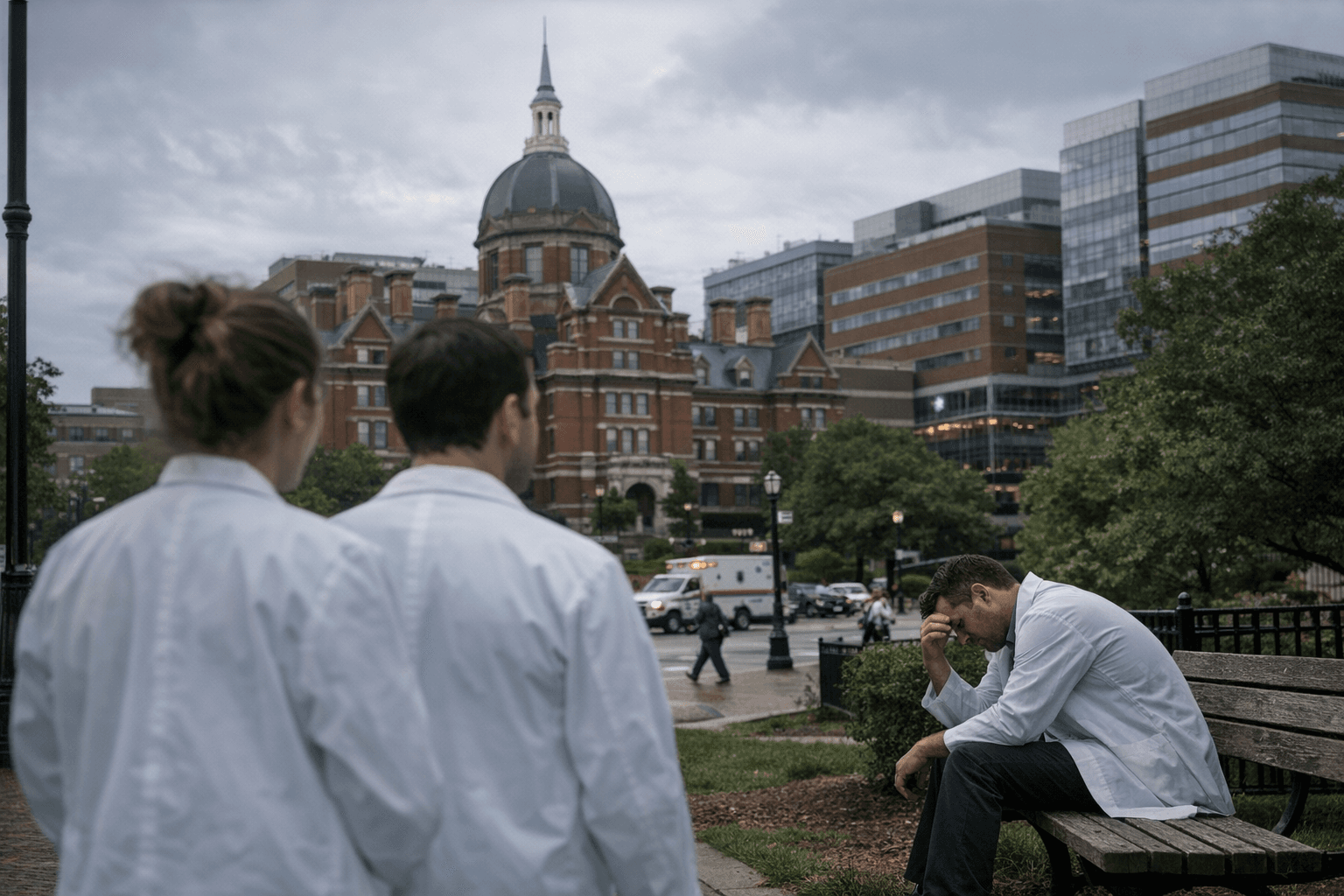
Johns Hopkins University has frozen hiring, paused annual pay increases and cut spending on travel, food, supplies, professional services and research projects as federal funding uncertainty ripples through Baltimore’s biomedical economy. University leaders said those reductions will continue through at least the 2026 academic year, and possibly longer, a warning that the squeeze could slow lab hiring, delay experiments and push talent to other research hubs.
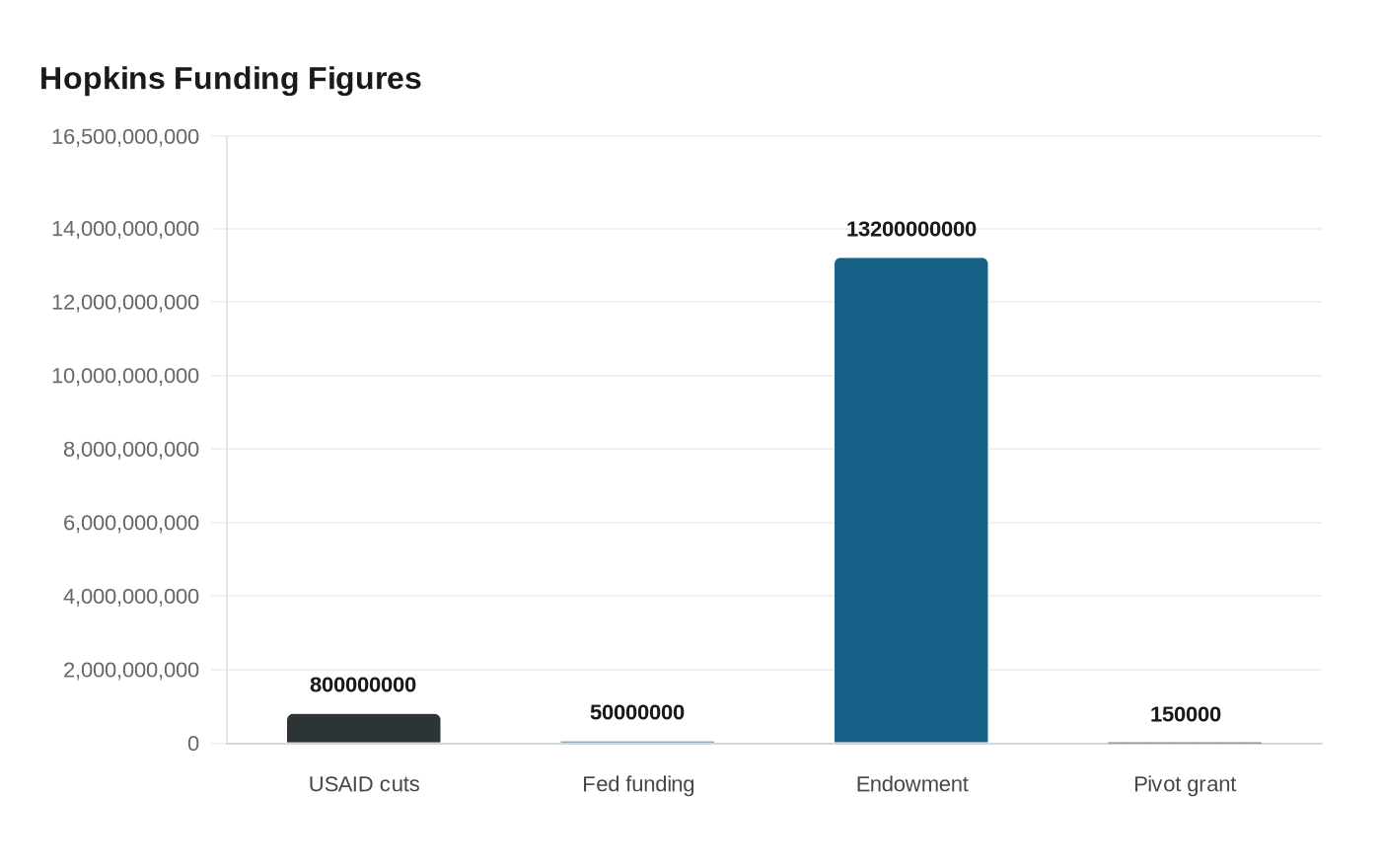
The pressure has been steep. Hopkins said it lost more than $800 million from U.S. Agency for International Development grant terminations, and by early June 2025, 90 grants had ended, slicing $50 million in federal research funding since January. The university also said the pipeline for new federal research awards had fallen by nearly two-thirds since January compared with the same period a year earlier, even as researchers continued to score well and submit more proposals. For Baltimore, that means fewer grants coming in, less money flowing to staff and vendors, and more uncertainty for one of the city’s biggest knowledge-economy employers.
Hopkins has tied the crisis to broader federal research cuts, including proposed reductions to National Institutes of Health support and limits on indirect research costs. In February 2025, the university joined 12 peer research universities and higher-education associations in a lawsuit seeking to block abrupt NIH cuts that Hopkins said would put roughly 600 ongoing clinical trials at risk. Those studies span cancer, pediatrics, heart and vascular disease and the aging brain. A federal judge in Massachusetts temporarily blocked the policy change after the lawsuits were filed.
The university has also turned to its balance sheet for relief. Hopkins said it would use earnings from its $13.2 billion endowment to help offset the cuts without spending principal, and it launched new support for faculty, students and staff whose grants were delayed or canceled. The measures include Pivot Grants of up to $150,000 over 12 months for faculty hit by canceled federal funding, Bridge Grants for projects stalled in review or renewal, a PhD student thesis and postdoc completion program and an expanded Summer Provost’s Undergraduate Research Awards program.
The human toll has already spread well beyond campus. Johns Hopkins Medicine said the dismantling of USAID and the loss of associated grants led to 1,975 Hopkins job losses in 44 countries and 247 in the United States, including 13 colleagues from the School of Medicine. Hopkins later said it was laying off 2,200 workers because of USAID-related funding losses. To make the stakes more concrete, the university launched its Research Saves Lives Campaign, highlighting Frank Lin’s NIH-backed hearing-loss research, which helped spur the Over-the-Counter Hearing Aid Act and cut average hearing-aid prices from $4,700 a pair to $200, as well as Suchi Saria’s NSF-funded sepsis platform, which Hopkins says is reducing sepsis mortality by 18% in dozens of hospitals nationwide.
This article was produced by Prism’s automated news system from verified source data, official records, and press releases, then run through automated quality and moderation checks before publishing. The system is built and supervised by the people who set the standards it runs under. Read our full AI policy.
Did this article answer your question?