Maryland cuts disability care funding, families fear deep home care losses
Starting July 1, family caregivers could lose pay and hours as Maryland cuts disability care funding, putting home-based support at risk for Baltimore households.
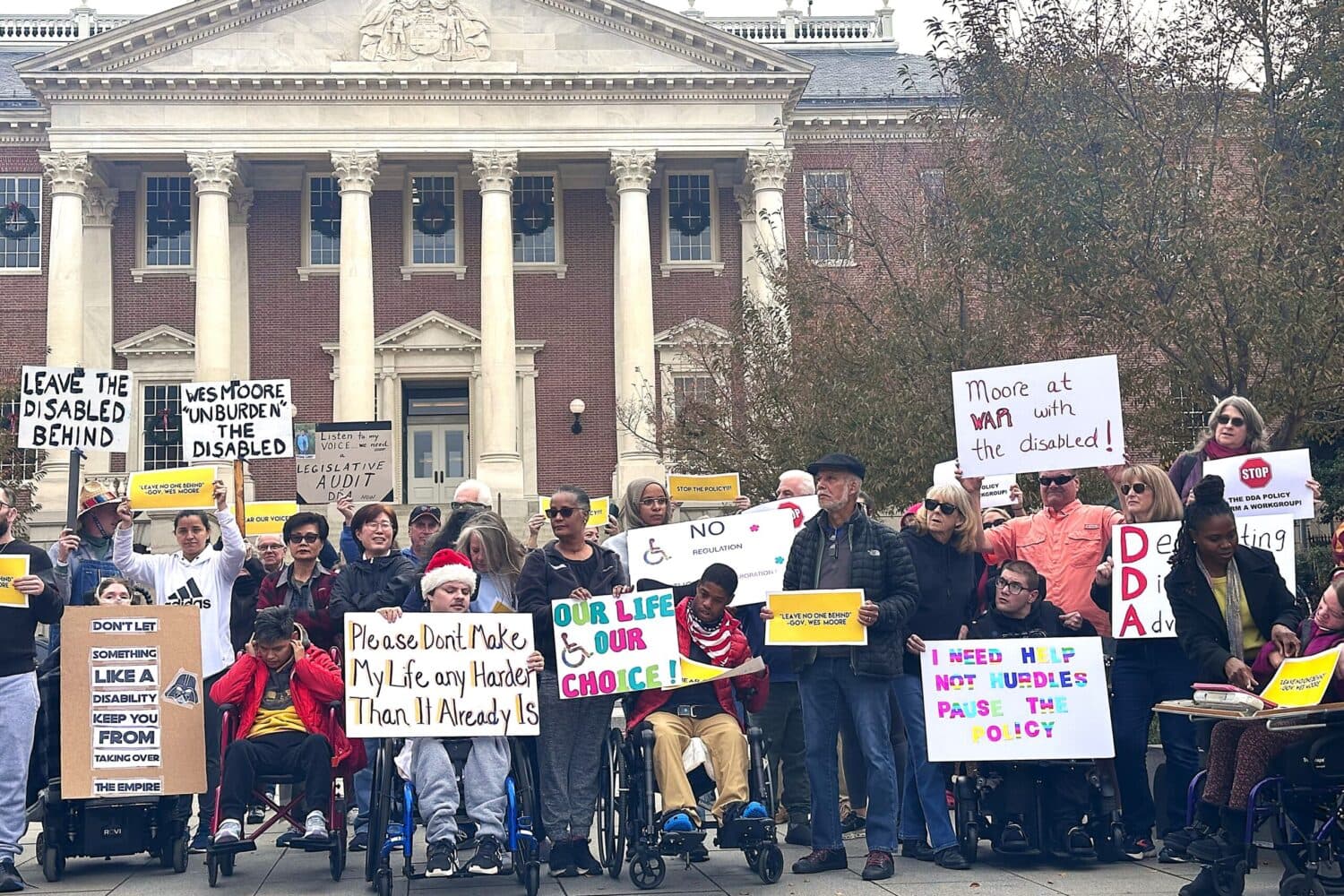
Baltimore families who keep relatives with developmental disabilities at home are bracing for a July 1 shift that could cut pay by as much as 50 percent and limit family caregivers to 40 hours a week, with a 60-hour cap across all family caregivers in a household. For parents and siblings who built daily life around Maryland’s self-directed care model, the change could mean fewer hours, less income, and a harder choice between keeping a loved one at home or turning to more restrictive settings.
The Maryland Developmental Disabilities Administration has said self-direction is meant to give people with intellectual and developmental disabilities choice and control over who provides services and how those services are delivered. But the agency’s self-directed services manual was revised on May 11, 2026, to say the Fiscal Year 2027 budget bill includes self-directed wage, rate and vendor changes. It also says the Wage Exception Process and Wage Exception Form end on July 1, 2026, the same day the new limits are set to take effect.
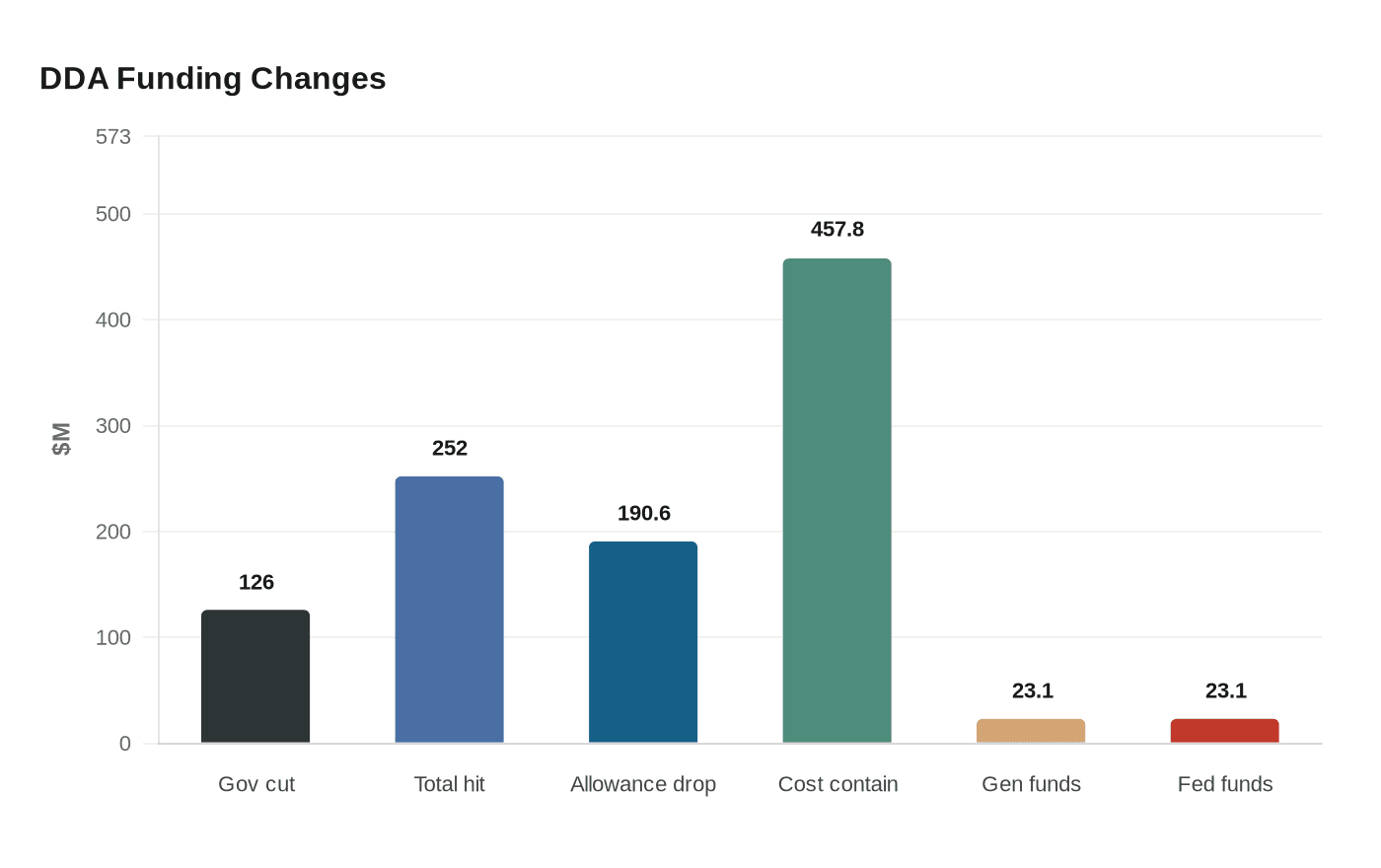
Gov. Wes Moore cut spending by $126 million after audits found unsustainable growth, billing missteps and a budget crisis in the agency. Advocates say the total hit is closer to $252 million once the loss of matching federal Medicaid dollars is included. Maryland budget analysts said the DDA’s fiscal 2026 allowance falls by $190.6 million, or 6.6 percent, to $2.7 billion, with cost-containment actions projected to reduce spending by $457.8 million in fiscal 2026. Those reductions are partly offset by money for waiver-service expansion and a 1 percent provider-rate increase.
The pressure on DDA spending is not new. The Office of Legislative Audits issued a compliance audit in June 2025 covering June 1, 2021, through April 30, 2024, adding to years of scrutiny over how the program spends public dollars. Maryland budget analysts also noted that prior contingent reductions and legislation affecting the Low Intensity Services and Supports program and the Waiting List Equity Fund had already shaped the agency’s budget before this year’s cuts.
In Annapolis, lawmakers tried to soften the blow. A March 2026 budget document proposed adding $23.1 million in general funds and $23.1 million in federal funds to restore some of the funding, while still limiting DDA cost-containment to tools such as modifying wages, eliminating wage exceptions, enforcing a dedicated-hours policy and capping family-as-staff work at 60/40 hours in a week. The language also said the agency should not impose a cap on person-centered plan budgets.
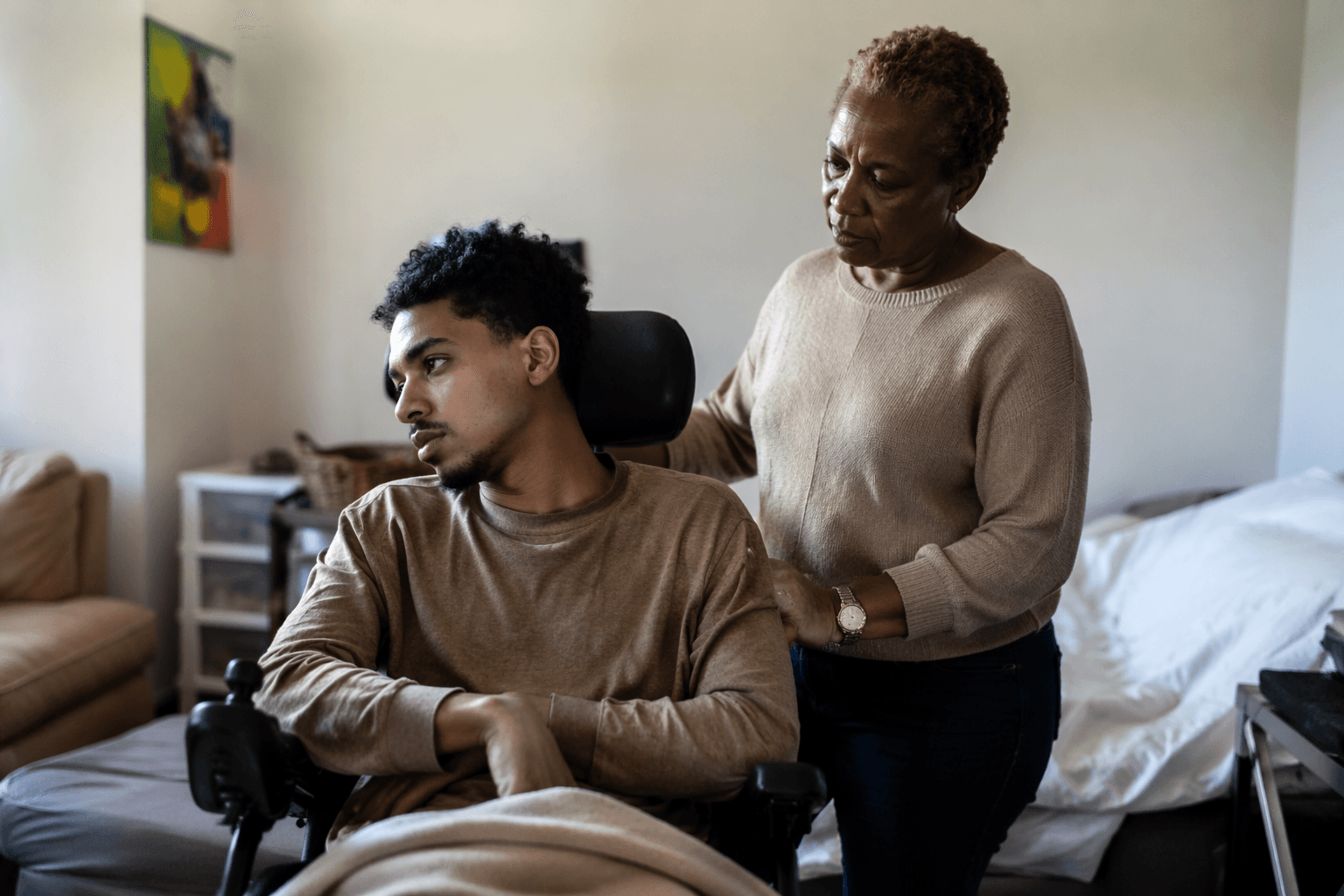
For Baltimore families on West Preston Street and across the city, the stakes are immediate. The self-directed model has allowed relatives to teach, cook and build routines around the person they support, rather than force them into a rigid institutional system. If the cuts hold, many households will have to decide how to replace those hours, whether family members can absorb the lost pay, and how long they can keep loved ones out of institutions.
This article was produced by Prism’s automated news system from verified source data, official records, and press releases, then run through automated quality and moderation checks before publishing. The system is built and supervised by the people who set the standards it runs under. Read our full AI policy.
Know something we missed? Have a correction or additional information?
Submit a Tip