Maryland launches youth digital wellness playbook for healthier screen habits
Maryland’s new playbook gives Baltimore parents, teachers and club staff concrete tools for social media stress, cyberbullying and screen-time fights.
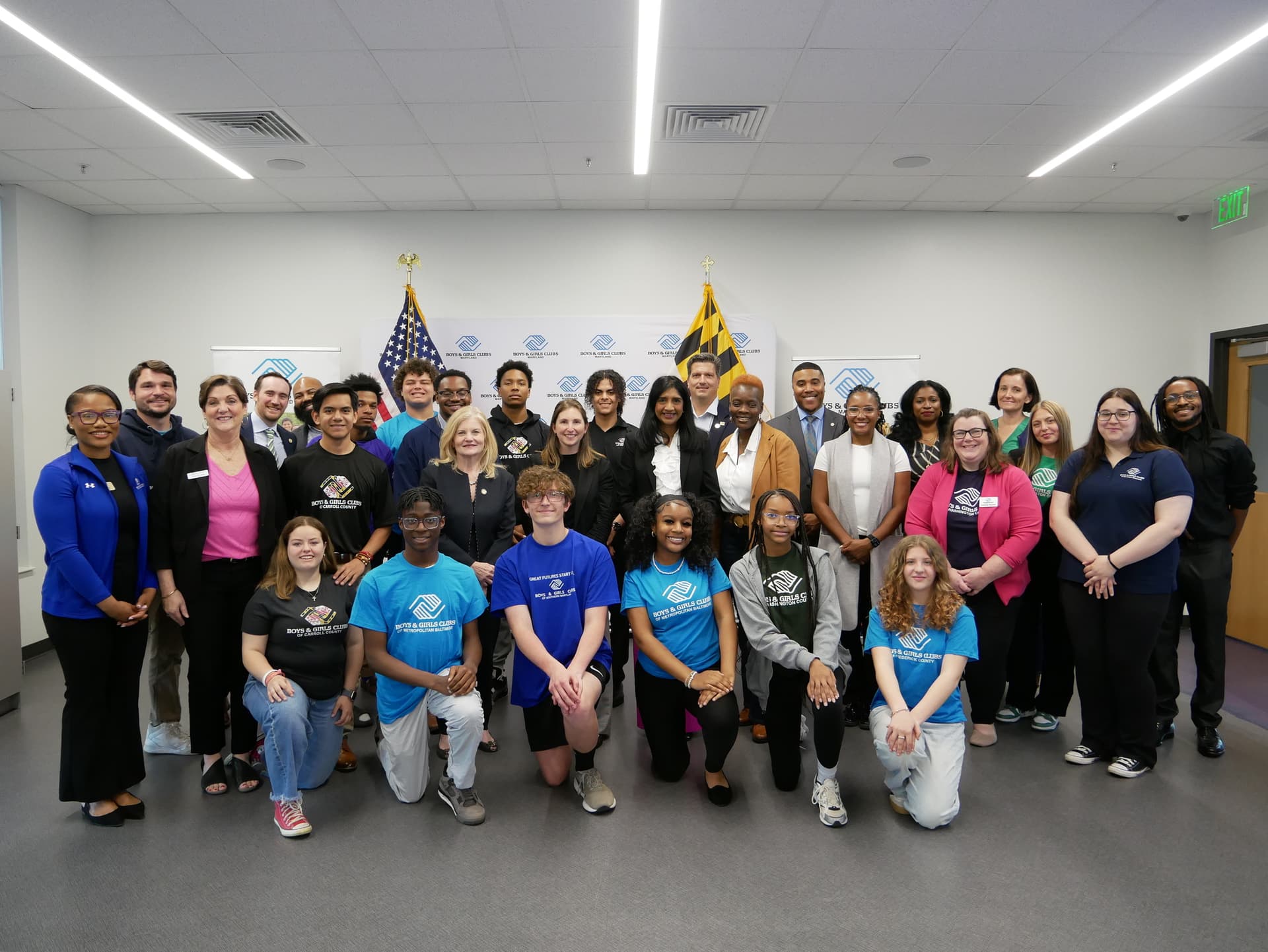
Maryland rolled out a new Youth Digital Wellness Playbook on April 29, giving Baltimore families and youth workers age-specific tools for screen-time conflicts, social media pressure and online risks. The package includes an elementary edition for children ages 6-12 and a teen edition for Grades 6-12, with skill sheets on mindfulness and cognitive reframing, strategies for compulsive digital behavior, and targeted help for cyberbullying and online gambling.
The Governor’s Office for Children says the Moore-Miller administration developed the best-practices guide with the Child Mind Institute and is distributing it through Maryland Boys & Girls Clubs statewide. That makes the playbook especially relevant in places like Boys & Girls Clubs of Metropolitan Baltimore, where after-school staff often hear first when a group chat turns hostile or a late-night scrolling habit starts cutting into sleep. The elementary edition is meant as a supplemental resource, not core curriculum, for use in homes, classrooms and after-school programs.
State materials say adolescent depression rates in the United States have nearly doubled since 2005, and the teen edition ties daily social media use to a higher risk of depression and anxiety. It also says 46% of teens report the internet has had a mostly negative effect on people their age. The playbook warns that unrestricted, unguided technology use is linked to rising rates of anxiety, depression, sleep loss and isolation, while also noting that boys and young men are more likely to spend time in online gaming, sports betting and gambling and less likely to seek help for mental health challenges.
That framing matches the broader public-health view from the Child Mind Institute’s 2025 report on youth mental health in the digital era, which says digital technologies offer real opportunities but also documented risks that demand coordinated action. For Baltimore parents, educators and youth mentors trying to manage constant notifications, the value of the playbook is its practicality: it gives school counselors, social workers, psychologists, general education teachers, SEL teachers, community-based organization staff, youth development coordinators, teen mentors and peer leaders common tools to use right away. As Aruna Miller, Maryland’s 10th lieutenant governor and the first woman of color and immigrant elected to statewide office in Maryland, helped launch the effort, the state cast digital wellness as a whole-community issue, not just a screen-time warning.
This article was produced by Prism’s automated news system from verified source data, official records, and press releases, then run through automated quality and moderation checks before publishing. The system is built and supervised by the people who set the standards it runs under. Read our full AI policy.
Did this article answer your question?