Maryland officials warn USDA closure of Beltsville research center could hurt farms
Beltsville’s 6,500-acre federal farm lab has anchored Maryland research since 1910. Officials warn its shutdown could threaten more than 1,000 state jobs and weaken crop science.

The planned shutdown of the Beltsville Agricultural Research Center could do more than close a federal campus in Prince George’s County. Maryland officials say it could threaten more than 1,000 state jobs, weaken research on climate and pests, and shake a farm economy that remains one of the state’s biggest employers.
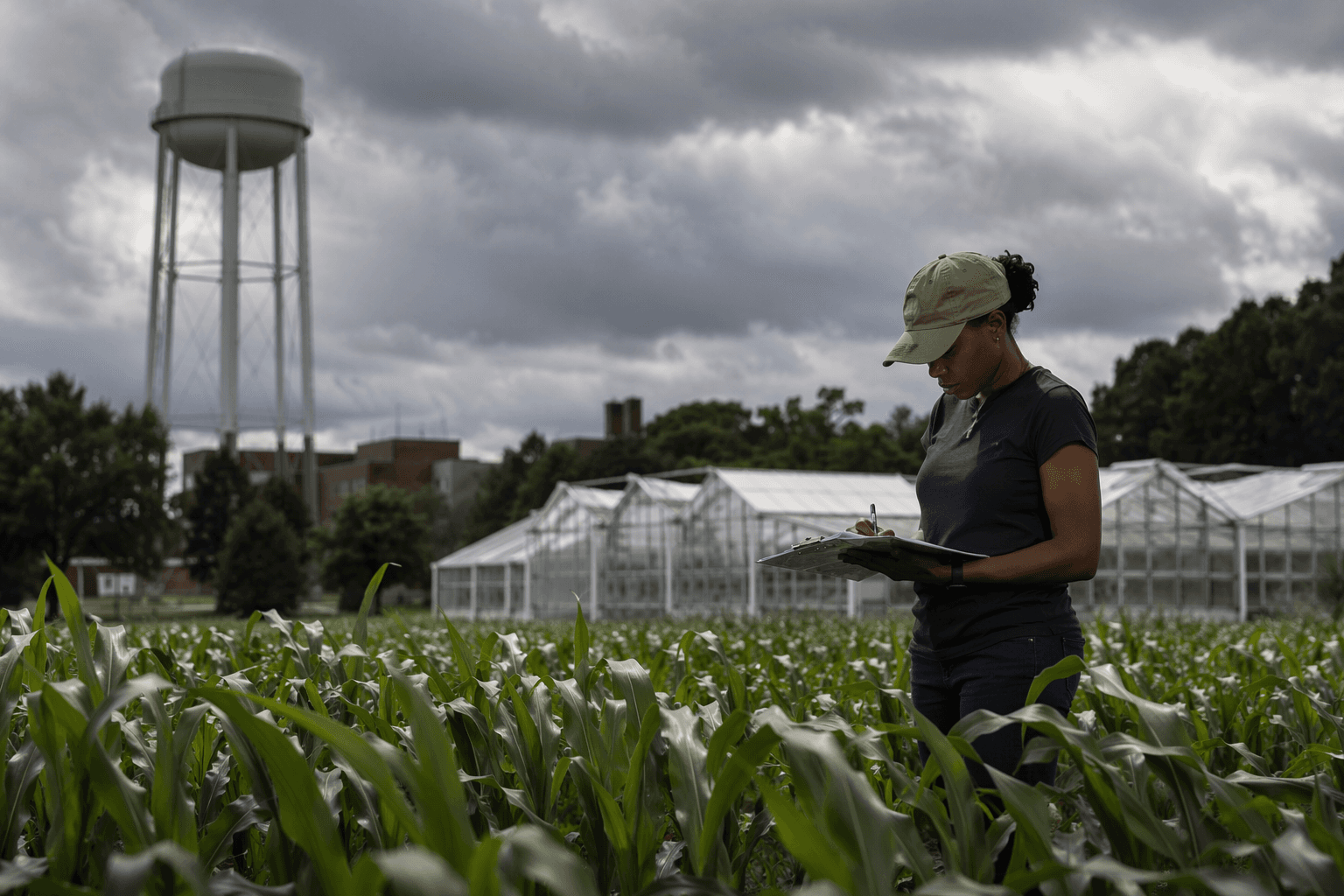
The warning lands at a precarious moment for Maryland, which has already lost more than 31,000 federal jobs over the last year. Beltsville sits at the center of that anxiety: the 6,500-acre complex has operated since 1910, is described as the world’s largest agricultural research facility, and houses the George Washington Carver Center, USDA Agricultural Research Service headquarters staff and University of Maryland research programs tied to turfgrass and long-term agricultural fields.
USDA’s July 2025 reorganization called for closing the site and moving much of the Washington-area workforce to five hubs in Raleigh, Kansas City, Indianapolis, Fort Collins and Salt Lake City. The department first said about 2,600 jobs would move out of the D.C. area, then later said no more than 2,000 employees would remain in the National Capital Region. For Maryland, the concern is not just about one campus leaving Prince George’s County. It is about losing a research pipeline that supports farms, food businesses and the university partnerships that help keep agriculture competitive.
Wendy Powers, dean of the University of Maryland’s College of Agriculture and Natural Resources, warned that shifting experiments to states such as Washington and Florida could distort results because climate, soil and water conditions differ from Maryland’s. That matters for the work done at Beltsville, where scientists have focused on practical problems such as pests, weather stress and farm management. Charlotte Davis of the Rural Maryland Council said the center matters to the rural economy, where every change in research can ripple outward to growers and processors.
The fight has also become a legal one. Maryland Attorney General Anthony Brown said the plan threatens more than 1,000 Maryland jobs and violates federal law. Democratic members of the state’s congressional delegation called the closure unlawful in an April 27 letter to Agriculture Secretary Brooke Rollins, and Rep. Glenn Ivey said decommissioning the center could "dramatically" disrupt scientific research. Sen. James Rosapepe called it "incredibly disruptive" for hundreds of people. Congress also moved to slow USDA down by adding language to the fiscal year 2026 appropriations bill requiring approval before any research facility can be closed or consolidated.
USDA Deputy Secretary Stephen Vaden defended the plan by saying the campus has more than 400 buildings, about half in severe disrepair, along with deferred maintenance and abandoned greenhouses. The Senate Agriculture Committee held a hearing on July 30, and USDA opened a public comment period on August 1. For Maryland, the question now is whether modernization abroad can offset the loss of a research engine at home, or whether the region’s competitiveness starts to weaken as that engine is dismantled.
Know something we missed? Have a correction or additional information?
Submit a Tip