McCray seeks juvenile crime data that could cost Baltimore $500,000
McCray’s push for juvenile-crime records could cost $500,000 and strip four homicide prosecutors from Baltimore’s office, forcing a fight over transparency and staffing.
State Sen. Cory McCray is pressing State’s Attorney Ivan Bates for juvenile-crime data that Bates says could cost Baltimore about $500,000 to produce and force the office to lay off four homicide prosecutors. The clash has become a budget fight as much as a public-safety fight, with Baltimore residents caught between more transparency on youth violence and the courtroom capacity needed to prosecute adult homicides.
McCray, a Baltimore Democrat and longtime juvenile-justice advocate who has spoken publicly about his own juvenile incarceration, has been pushing in Annapolis for more detailed reporting on juvenile gun crime and broader reform. He previously testified for SB 277 in 2022 on correctional-services data reporting to the Maryland Longitudinal Data System Center, and lawmakers this year have continued to revisit how much detail the state should require from the Department of Juvenile Services on shootings involving juveniles.
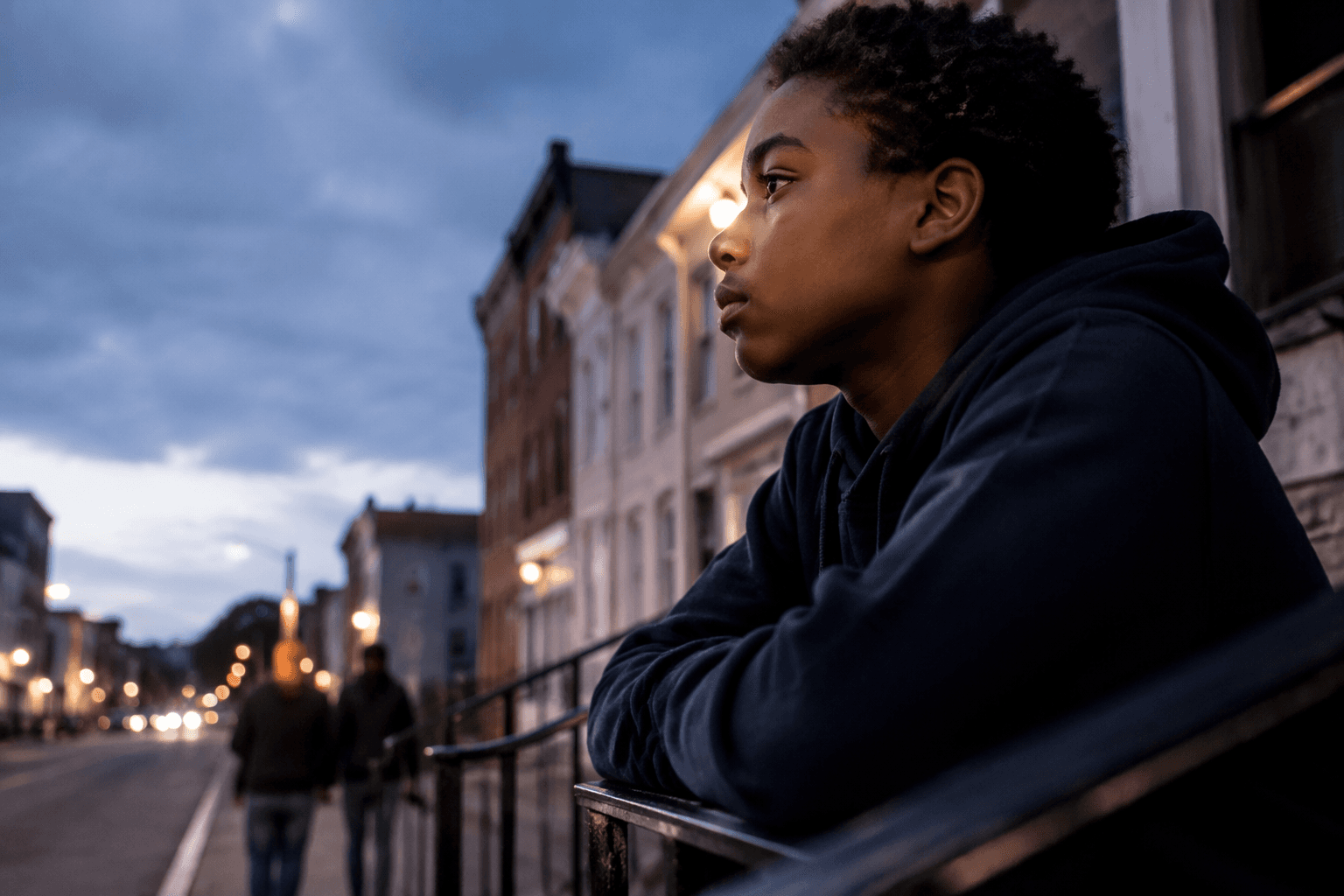
Bates has spent months warning that Maryland’s juvenile justice system is not working. In interviews and commentary, he has called the system “broken” and said the same juveniles are cycling through it again and again. In a Nov. 5, 2024 guest commentary for the Baltimore Sun, Bates argued that incomplete data does not tell the whole story on juvenile crime, after earlier pointing to a sharp rise in arrests.
That warning landed against a steep rise in juvenile arrest figures. CBS Baltimore reported that juvenile crime arrests in Baltimore City were up 146% compared with 2023, and Fox45 later reported new data showing Baltimore juvenile crime rates had climbed more than 200% in three years.
The stakes are unusually high because Bates has tied his office’s staffing needs to the city’s homicide fight. In May 2024, Bates sought funding for 20 more prosecutors. The Baltimore City State’s Attorney’s Office has said it is still rebuilding after years of understaffing, and Bates has also argued that his office needs more resources to keep violent offenders off the street. In a Jan. 7, 2025 press release, the office said 1,064 violent offenders had been removed from Baltimore’s streets annually under the Bates administration.
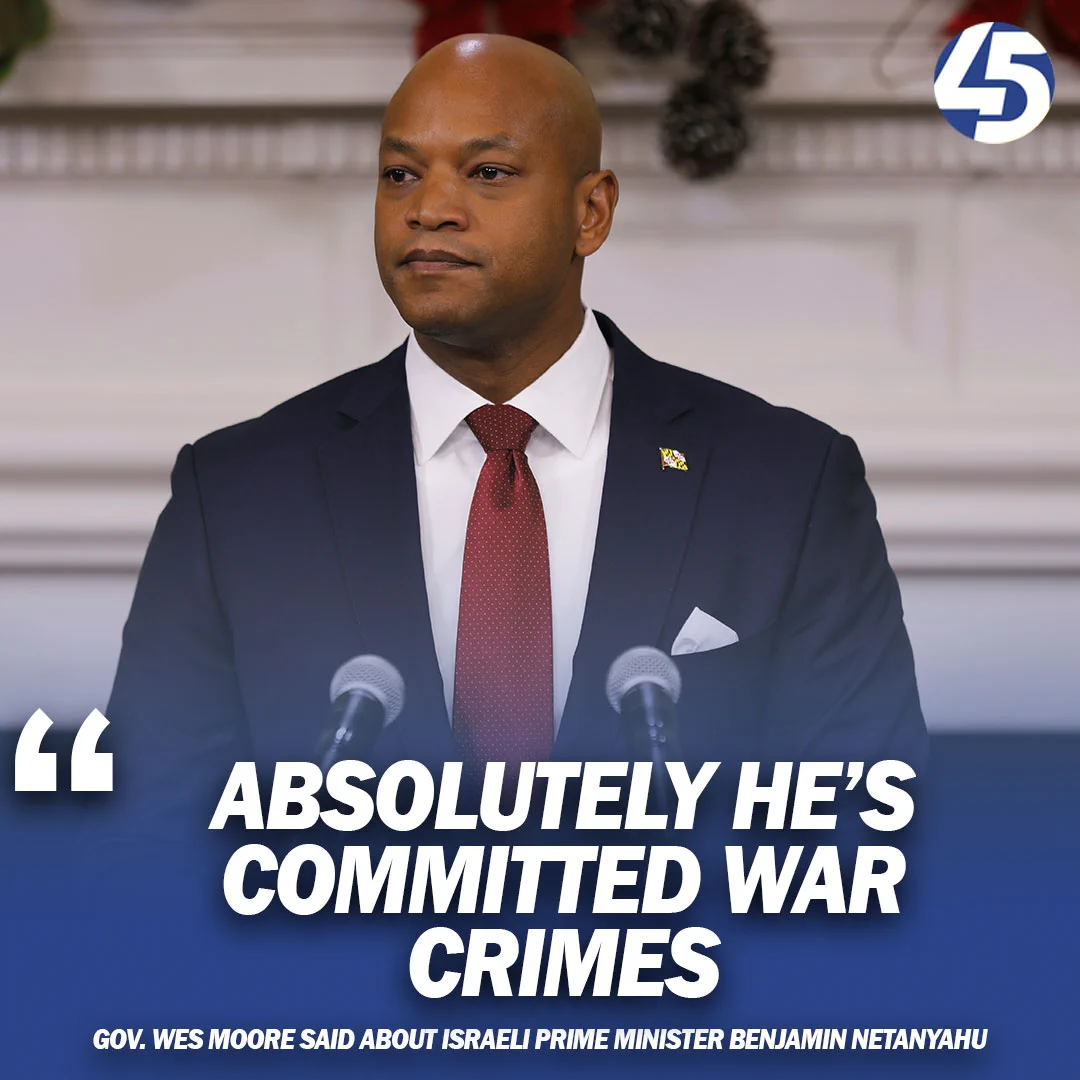
The office has pointed to falling killings as evidence that its approach is working. In a Jan. 5, 2026 release, it said Baltimore ended 2026 with 134 homicides, the lowest total in nearly 50 years. Governor Wes Moore has made the broader same-case for his administration, saying homicides in Maryland are down 44% since he took office and Baltimore City homicides are down 58%, with non-fatal shootings down 40% statewide.
That backdrop has made McCray’s data push more combustible. Supporters of juvenile reform say raw arrest numbers can obscure how cases are handled, whether teens are diverted or detained, and what outcomes follow. Bates and his allies say the state needs stronger accountability for repeat violent youth offenders. The question now is who pays for the records and whether Baltimore’s prosecutors lose the people needed to try the city’s most serious cases.
This article was produced by Prism’s automated news system from verified source data, official records, and press releases, then run through automated quality and moderation checks before publishing. The system is built and supervised by the people who set the standards it runs under. Read our full AI policy.
Did this article answer your question?