MONSE seeks $8.2 million boost amid records fight and scrutiny
MONSE wants $8.2 million more, but City Hall is still fighting over SideStep records, altered invoices and a data breach that exposed more than 700 names.
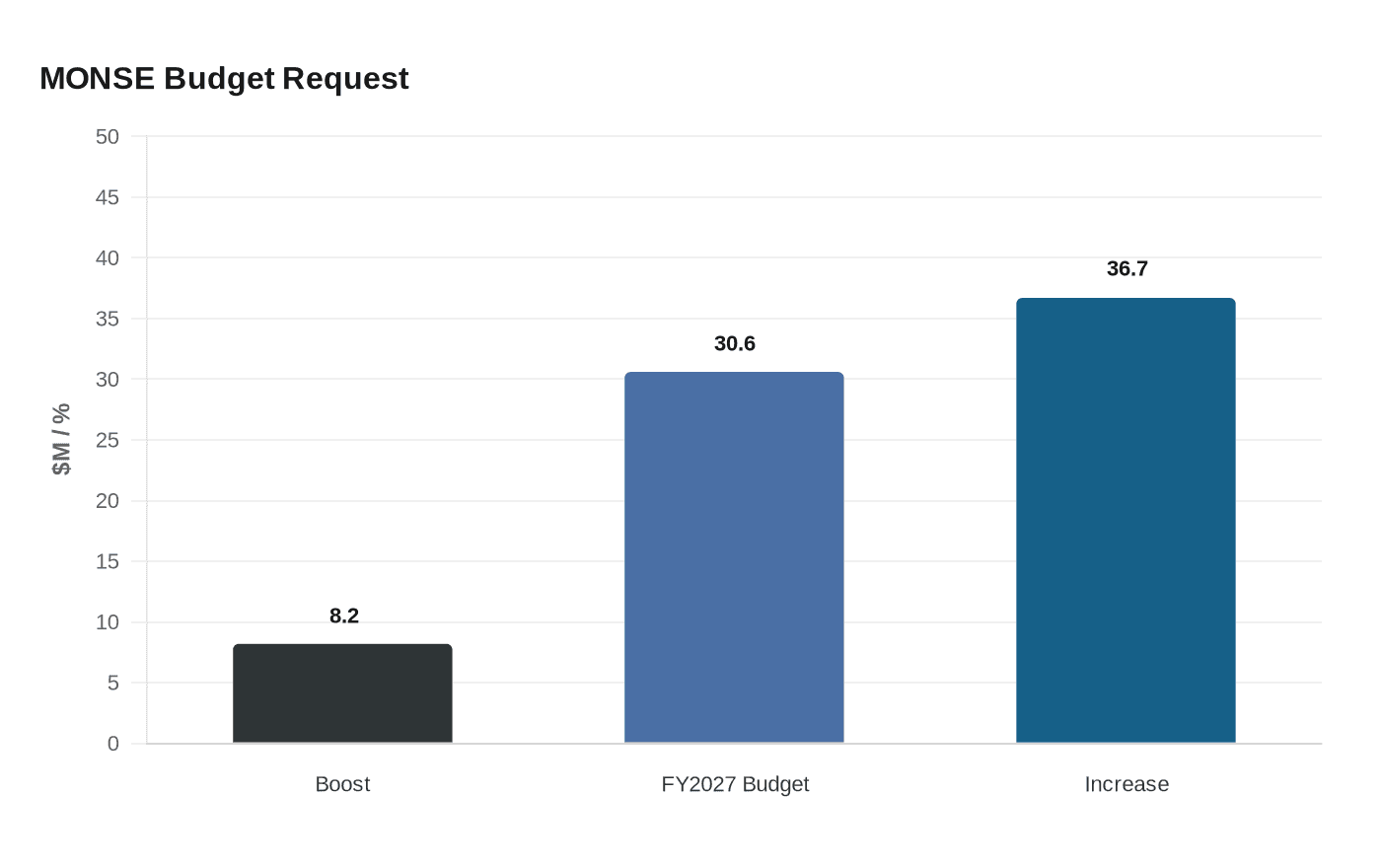
Baltimore’s Mayor’s Office of Neighborhood Safety and Engagement is asking for an $8.2 million boost just as the office faces sharper scrutiny over whether the public can see how its money is spent. The request would push MONSE’s fiscal 2027 budget to more than $30.6 million, a 36.7% increase, and lands in the middle of Baltimore’s budget season at City Hall, 100 N. Holliday St.
Mayor Brandon M. Scott released the city’s preliminary Fiscal Year 2027 budget on April 1, 2026, and budget documents were updated again in May with agency detail materials. Against that backdrop, MONSE is arguing that more money is needed to sustain violence-prevention and intervention work it says has helped support recent drops in homicides and non-fatal shootings. The office has been part of Baltimore’s broader public safety strategy since the city approved its Comprehensive Violence Prevention Plan in 2020, when Scott was then City Council president. Scott started MONSE in December 2020 to replace the old Mayor’s Office of Criminal Justice.
But the funding request arrived alongside a deepening records fight. The Baltimore City Office of the Inspector General said its March 17, 2026 synopsis found evidence of altered invoices and fraudulent billing tied to thousands of dollars in the SideStep youth diversion program, which ran in Baltimore’s Western District from January 2022 through 2024 with MONSE, the Baltimore Police Department and the Department of Juvenile Services. The same synopsis said more than 700 names, many of them juveniles, were exposed in a data breach involving a personal email account tied to a relative of a city employee.
In February 2026, Inspector General Isabel Cumming sued the city after saying MONSE had blocked access to SideStep financial records and sent heavily redacted documents instead. State’s Attorney Ivan Bates also said in February that the city had refused or heavily redacted records tied to MONSE. MONSE said it was deeply concerned and would seek to recoup taxpayer money, while also arguing it had not been given enough detail to review the alleged overbilling.
The dispute has now spilled into City Hall’s broader politics. On May 13, 2026, Scott introduced oversight and transparency bills aimed at resolving the fight, including a proposal to amend the Maryland Public Information Act so the inspector general’s office would be exempt from nearly all categories. Councilman Mark Conway warned the plan would make IG access subordinate to mayor-controlled procedures. The Taxpayers Protection Alliance also said the city should not expand MONSE’s budget before settling the transparency dispute.
For Baltimore residents, the issue is no longer only whether violence-prevention programs matter. It is whether City Hall can show, line by line, what MONSE has spent, what it has delivered and why taxpayers should back a larger budget before the records fight is resolved.
This article was produced by Prism’s automated news system from verified source data, official records, and press releases, then run through automated quality and moderation checks before publishing. The system is built and supervised by the people who set the standards it runs under. Read our full AI policy.
Know something we missed? Have a correction or additional information?
Submit a Tip