Moore, congressional leaders tour Francis Scott Key Bridge rebuild site
Moore and congressional leaders inspected the Key Bridge rebuild as MDTA held a $5.2 billion, 2030-targeted plan to reopen a vital port and commuter link. The next test is summer procurement for the main span.
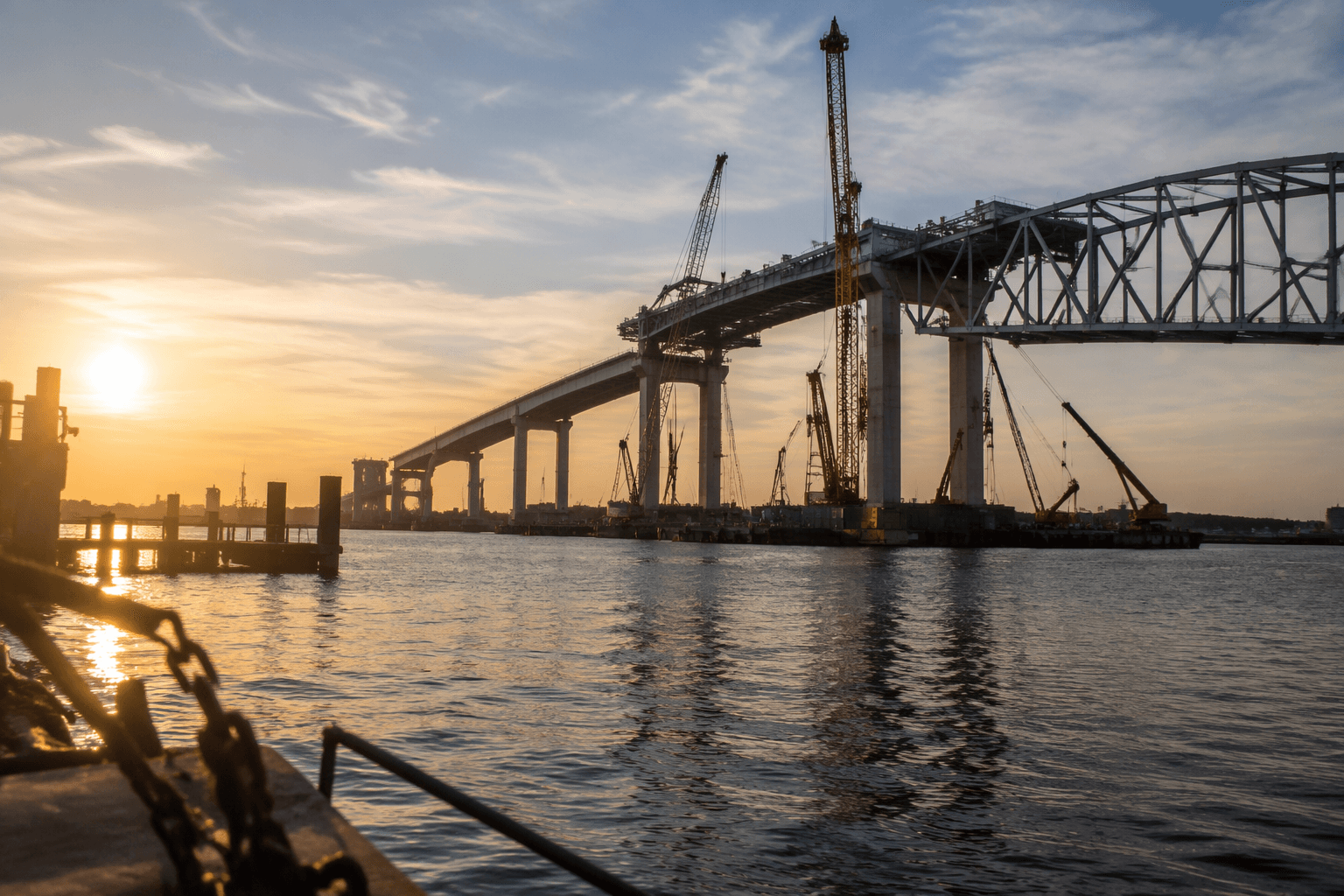
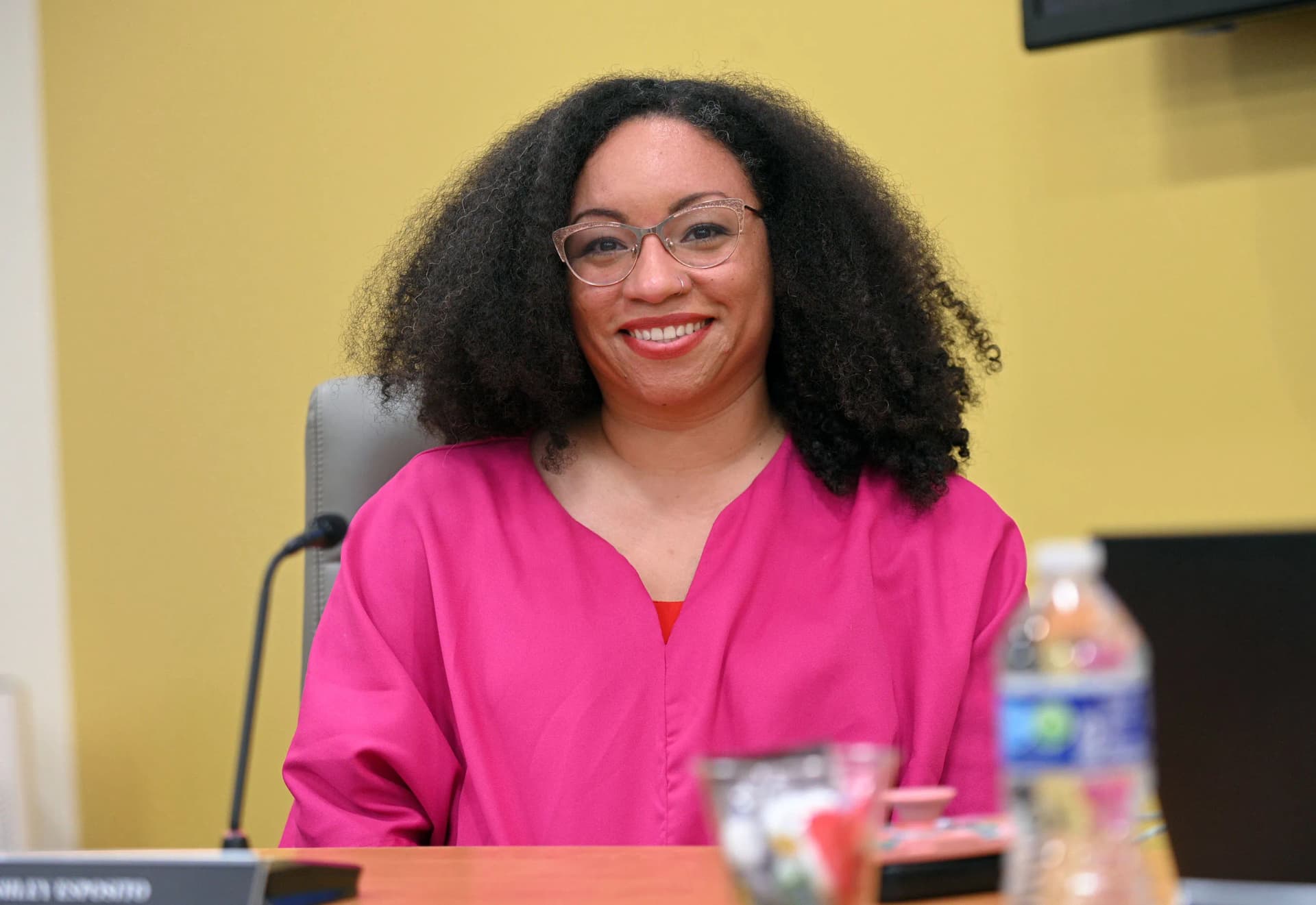
Governor Wes Moore toured the Francis Scott Key Bridge rebuild site with Republican members of Congress Steve Womack and Andy Harris, putting fresh political attention on a project that still shapes traffic, shipping and recovery across Baltimore Harbor. The bridge collapsed on March 26, 2024, after the container ship Dali struck a supporting pier, killing six road maintenance workers and forcing the suspension of vessel traffic at the Port of Baltimore.
For Baltimore City, the rebuild is more than a construction contract. It affects how goods move through the Port of Baltimore, how truckers reach the harbor area, and how workers and families cross the river corridor that was severed by the collapse. The U.S. Census Bureau said more than one million people in the Baltimore area could be affected by the disruption, a reminder of how far the economic shock reached beyond the crash site.
The Maryland Transportation Authority has been trying to bring the project back into a defined schedule after months of shifting cost estimates. In November 2025, MDTA said updated numbers put the replacement at $5.2 billion and projected completion in 2030. The agency has said the new bridge must meet federally mandated safety standards, including robust pier protection and taller towers for a longer main span.
The rebuild’s next concrete milestone is procurement for that main span. MDTA said that process was scheduled to begin in the summer of 2026, and the agency had already started bringing industry into the conversation, holding a Virtual Industry Forum on May 19, 2026, and publishing Q&A responses dated May 29. Those steps matter because the project’s price and delivery have become a central test of whether the state and federal governments can keep the replacement on track.
Federal money helped stabilize the response early. The Biden-Harris administration announced $60 million for emergency work after the collapse, part of the broader federal effort that followed the disaster. But the rebuild now faces a different question: whether the promised replacement bridge can move from planning and procurement into visible construction fast enough to match the scale of the city’s need.
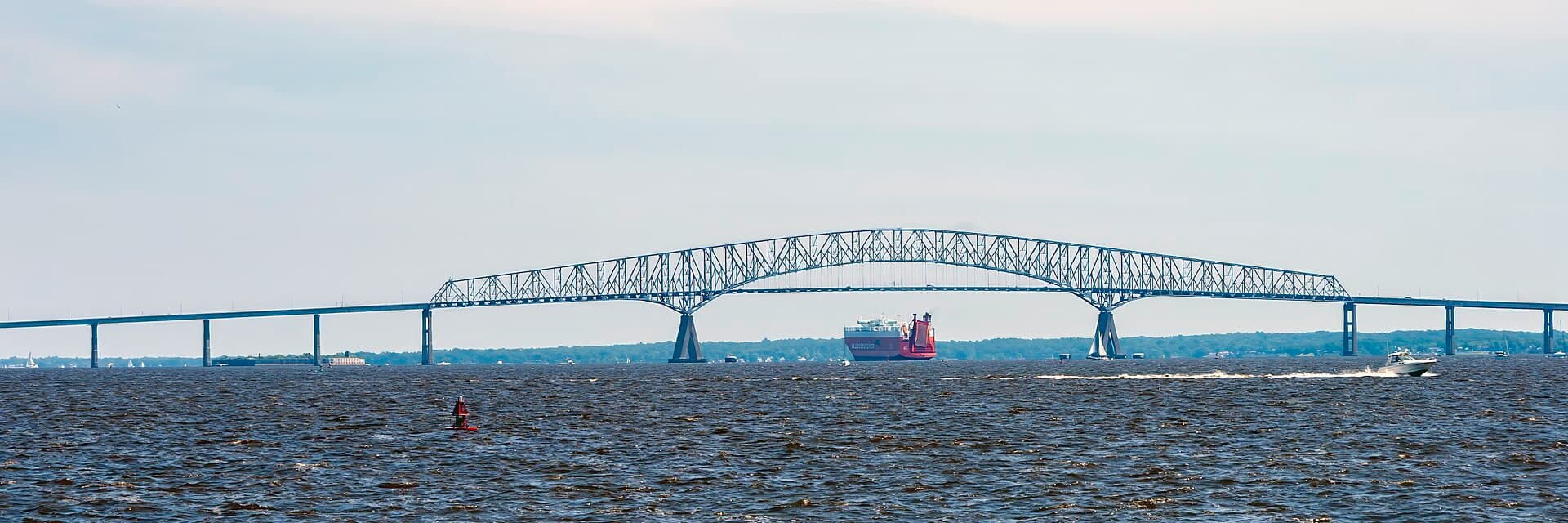
That question is especially sharp in Baltimore, where the bridge’s failure still carries political and economic weight. Moore’s tour with members of Congress signaled that the rebuild remains under close scrutiny in Washington and Annapolis alike, and that the public will be watching for the next signed contract, the next construction milestone and the first signs that the new crossing is moving toward the 2030 target.
This article was produced by Prism’s automated news system from verified source data, official records, and press releases, then run through automated quality and moderation checks before publishing. The system is built and supervised by the people who set the standards it runs under. Read our full AI policy.
Did this article answer your question?