Morgan State summer academy gives high schoolers healthcare career exposure
Morgan State’s free 10-day anatomy academy gave Baltimore-area high schoolers dissection labs and a clearer route into medicine. The program sits inside a larger effort to grow local, diverse health workers.

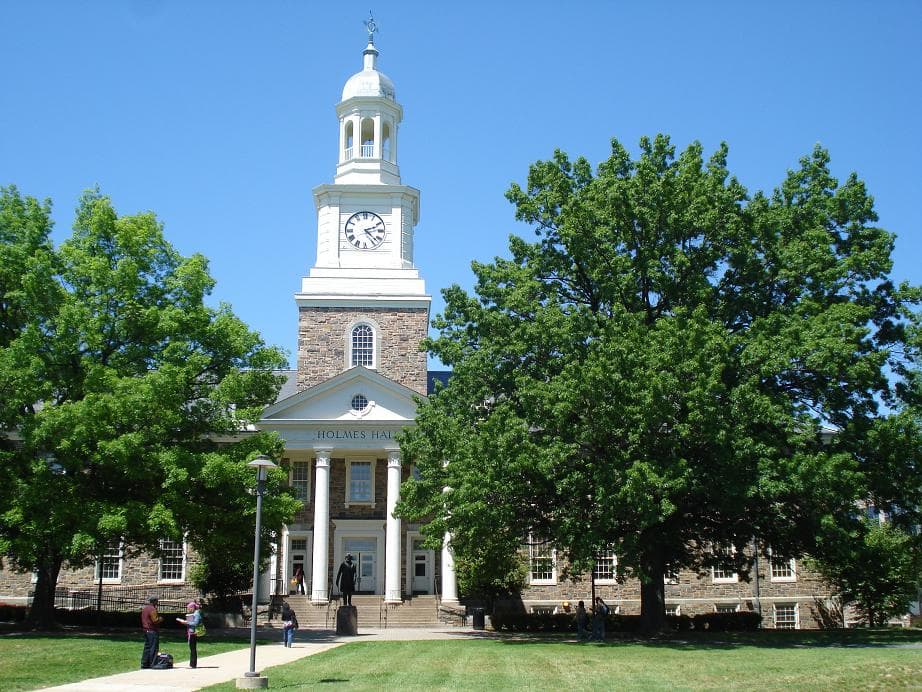
Morgan State University’s free 10-day Anatomy Academy for Careers in Healthcare gave Baltimore-area high school students hands-on exposure to medicine on South Campus, including dissection work that turned anatomy lessons into something tangible. The academy, which began in 2024, is aimed at high-achieving students who already want to go into health care but may not have had much direct contact with the field.
The program was led by Margaret Alston, Morgan’s associate professor, coordinator of the Pre-Professional Physical Therapy track and director of the annual academy. Students worked through anatomy and physiology lessons, and one of the exercises highlighted during the program involved dissecting pig hearts, a lab meant to show how the human heart works before students even reach college. Nandini Saxena said the experience helped sharpen her interest in radiology by making the field feel more concrete.
Morgan’s School of Community Health and Policy says its mission is to develop health professionals committed to transforming urban communities and reducing health inequities. Its health education curriculum is built to feed into public health, nursing, medical school, physician assistant, occupational therapy and physical therapy pathways, making the academy part of a longer pipeline rather than a one-off summer activity.
That pipeline matters in Baltimore, where health care access and trust are tied to who is entering the profession. KFF has found that greater representation of Black primary care physicians is associated with longer life expectancy and lower mortality among Black people, and that patients of color who more often see providers who share their racial or ethnic background report more positive and respectful interactions. The Health Resources and Services Administration also maintains federal maps and data for primary care, dental and mental health shortage areas, underscoring how often federal policy still has to target communities with limited access to care.

Morgan has been pushing that workforce strategy beyond the academy. The university received a $4.4 million Baltimore City Public Schools contract to place full-time registered nurses in five school health suites, and in 2024 it won a $1.75 million Robert Wood Johnson Foundation grant to plan a future Morgan-operated medical school. That medical school effort is meant to expand opportunities for students underrepresented in medicine and strengthen Maryland’s health care pipeline.
For Reanna Pickering, now a Morgan State student in physical therapy, the academy filled a gap she wished she had in high school. The university’s broader pitch is straightforward: if Baltimore students see health careers earlier, they are more likely to picture themselves in them later, and the city stands to gain more doctors, therapists, nurses and other clinicians who know the communities they will serve.
This article was produced by Prism’s automated news system from verified source data, official records, and press releases, then run through automated quality and moderation checks before publishing. The system is built and supervised by the people who set the standards it runs under. Read our full AI policy.
Did this article answer your question?