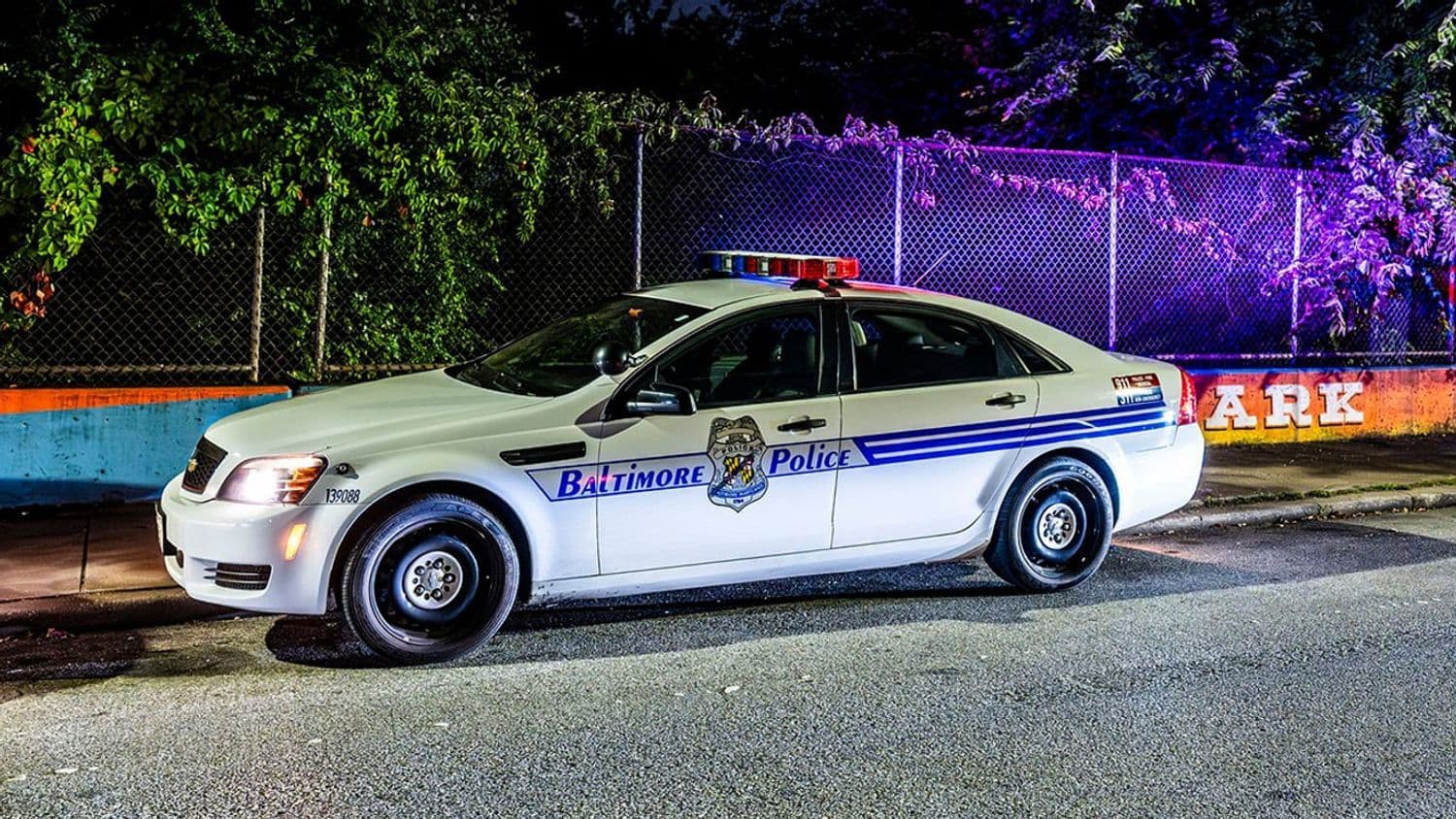
Murder suspect served warrant while recovering in Baltimore hospital
Baltimore Police served a first-degree murder warrant on a suspect while he was recovering in a city hospital after a woman was fatally stabbed. The unusual timing puts a spotlight on how fast detectives moved.

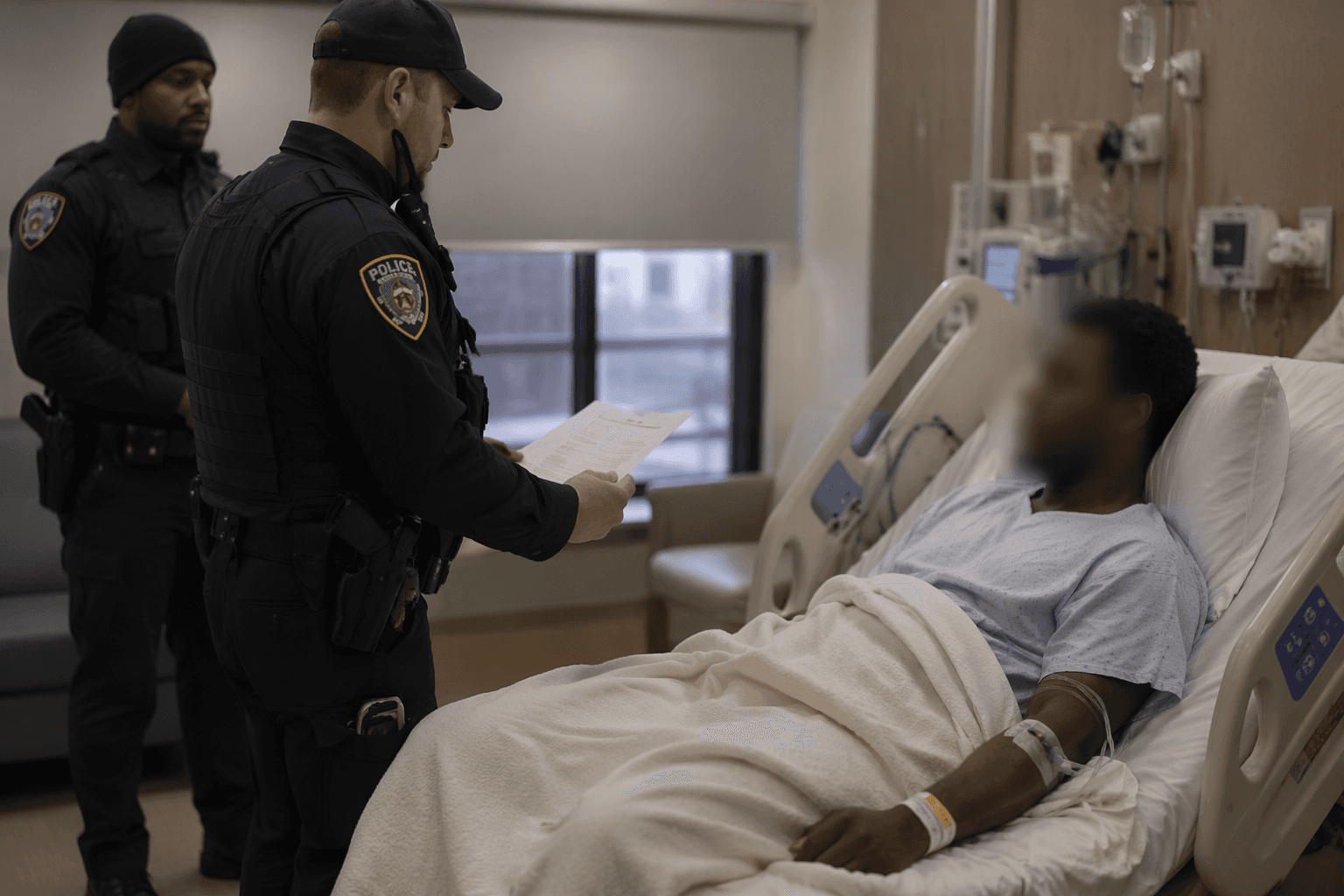
Baltimore Police served a first-degree murder warrant on a suspect while he was recovering in a Baltimore hospital after a woman was fatally stabbed, a step that shows investigators moved quickly from the scene of the killing to a charging decision.
That timing stands out in a city where violent-crime warrants have sometimes moved more slowly. In a 2019 Baltimore case, police said a murder warrant would not be officially served until the suspect was discharged from the hospital. WBFF also reported in February 2026 that recent arrests of a murder suspect and an attempted murder suspect reignited debate over unserved warrants in Baltimore, making the hospital-bed service in this case especially notable.
The same pattern has shown up in other recent homicide investigations. In one Southeast Baltimore stabbing case, police said a man was stabbed to death and a woman was arrested and charged with first-degree murder. Those cases underscore how often Baltimore detectives are working violent deaths that turn on rapid suspect identification, medical treatment, and the timing of formal service of charges.

Baltimore’s homicide records are publicly tracked in a searchable database that runs from 2007 through 2026 and is organized by district, date, and cause of death. The entries were current as of July 1, 2026, and the city continued to record new homicides in late June, keeping the broader violence picture fluid as this case moved forward.

With the warrant now served, the case moves into the next phase of the criminal process. The suspect will remain in the hospital until doctors clear a discharge, then the warrant can be carried through the normal custody and court steps that follow a first-degree murder charge. For investigators, the hospital service signals that the charge had already been approved and that the case was far enough along for police to formalize it even before the suspect left treatment.
This article was produced by Prism’s automated news system from verified source data, official records, and press releases, then run through automated quality and moderation checks before publishing. The system is built and supervised by the people who set the standards it runs under. Read our full AI policy.
Did this article answer your question?