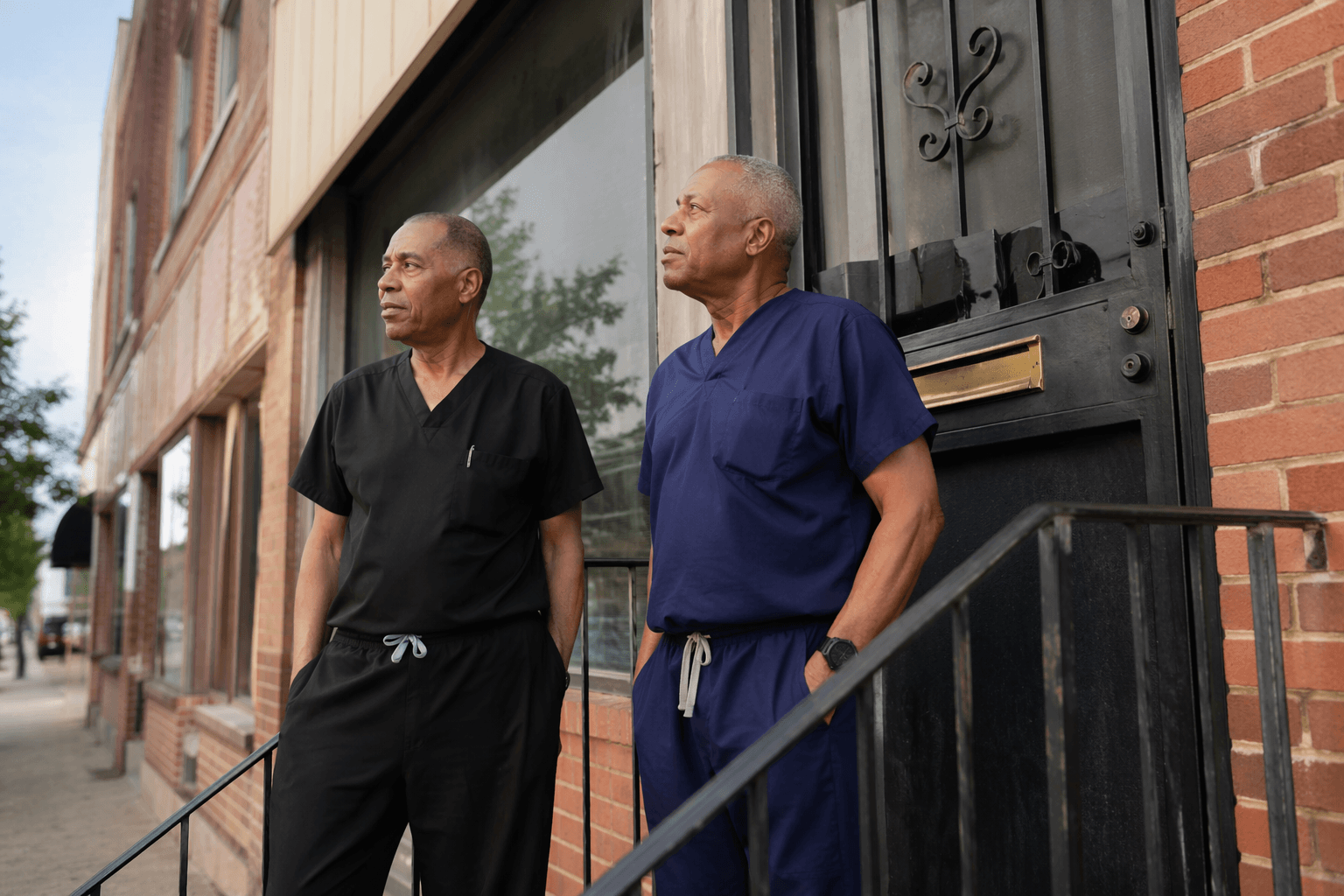
Over Half of Hospitals Cut ER Waits; Baltimore Lawmakers Call for More
Just over half of Maryland hospitals cut ER wait times last year, but lawmakers urged faster action to ease persistent delays that harm Baltimore residents.
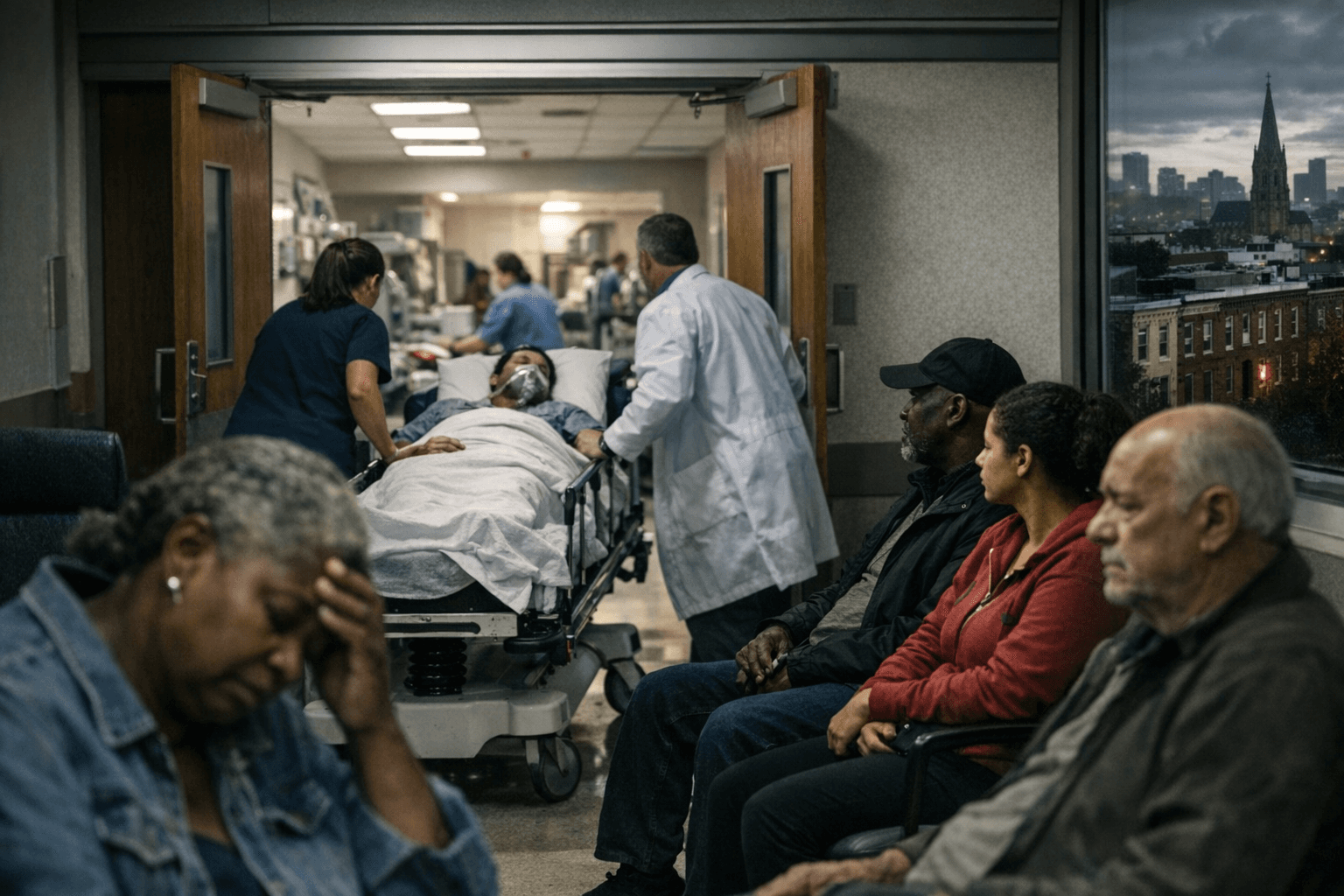
Just over half of Maryland hospitals reduced emergency department wait times last year, state health officials told a joint briefing before House and Senate health committees, but lawmakers pressed for quicker changes as long waits persist in facilities serving Baltimore City residents. Officials framed the progress as part of a multi-year effort to reduce emergency department boarding and shorten lengthy stays, while lawmakers argued the pace and unevenness of improvement leave patients at risk.
At the Jan. 21 briefing, state health leaders described steps hospitals have taken to reduce crowding and speed inpatient transfers. The report reviewed gains across the system, highlighted hospitals that showed measurable reductions in length of stay, and acknowledged remaining gaps where boarding continues to drive hours-long waits for emergency care. Lawmakers focused attention on facilities that function as safety-net providers for Baltimoreans, saying persistent delays affect the city’s most vulnerable patients.
Public health experts and advocates have long warned that prolonged emergency waits worsen outcomes for people with serious acute conditions, complicate care for those with chronic illness and behavioral health needs, and strain ambulance services and outpatient clinics. For Baltimore residents, who rely heavily on neighborhood emergency departments for primary and urgent care, prolonged ED boarding can mean delayed diagnosis, missed treatment opportunities and increased pressure on family caregivers.
The state report also outlined regulatory and policy options to accelerate improvements. While officials credited hospitals and health systems for adopting operational changes, lawmakers urged expanded oversight and faster implementation of measures that would most directly affect hospitals serving Baltimore City. The briefing highlighted the tension between statewide trends and local realities: systemwide progress can mask persistent hot spots where patients still face unacceptably long waits.
Equity concerns threaded the discussion. Committee members noted that hospitals serving lower-income neighborhoods and communities of color often absorb the heaviest burdens of overcrowding and boarding, amplifying existing health disparities. Advocates said targeted support for those hospitals - including staffing, behavioral health capacity, and timely inpatient placement - will be essential to translate statewide gains into better care on Baltimore streets.
What happens next will matter to patients and first responders across the city. Lawmakers asked state regulators for options that could speed change and pointed to potential legislative and regulatory measures to be considered this session. For Baltimore residents, the immediate question is whether improvements will reach the ER doors they rely on, and how quickly policy changes will translate into shorter waits and safer, more equitable emergency care.
This article was produced by Prism’s automated news system from verified source data, official records, and press releases, then run through automated quality and moderation checks before publishing. The system is built and supervised by the people who set the standards it runs under. Read our full AI policy.
Did this article answer your question?