Park Heights residents say they no longer trust City Hall
Abandoned houses, drug activity and poverty have left Park Heights residents saying City Hall no longer earns their trust.
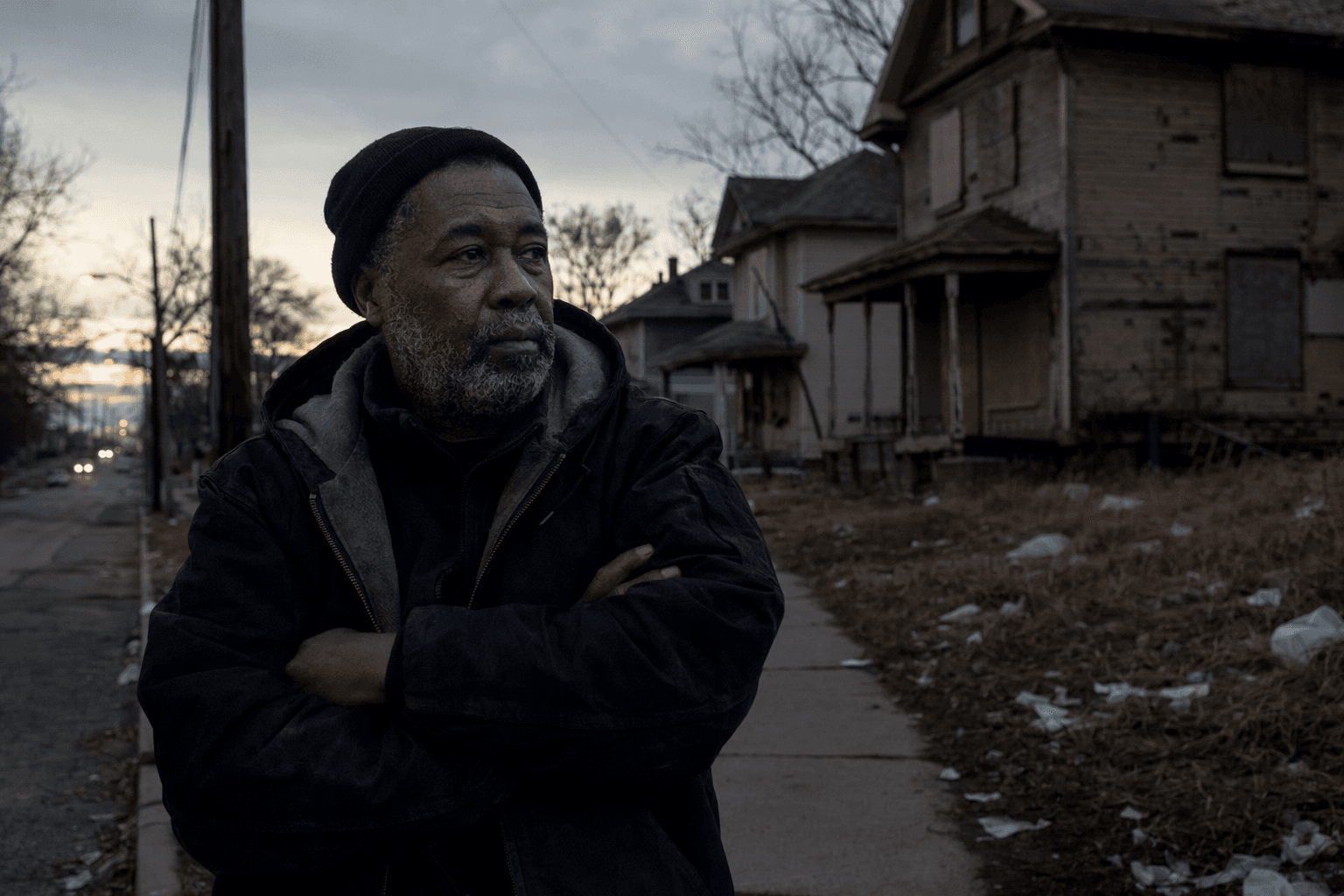
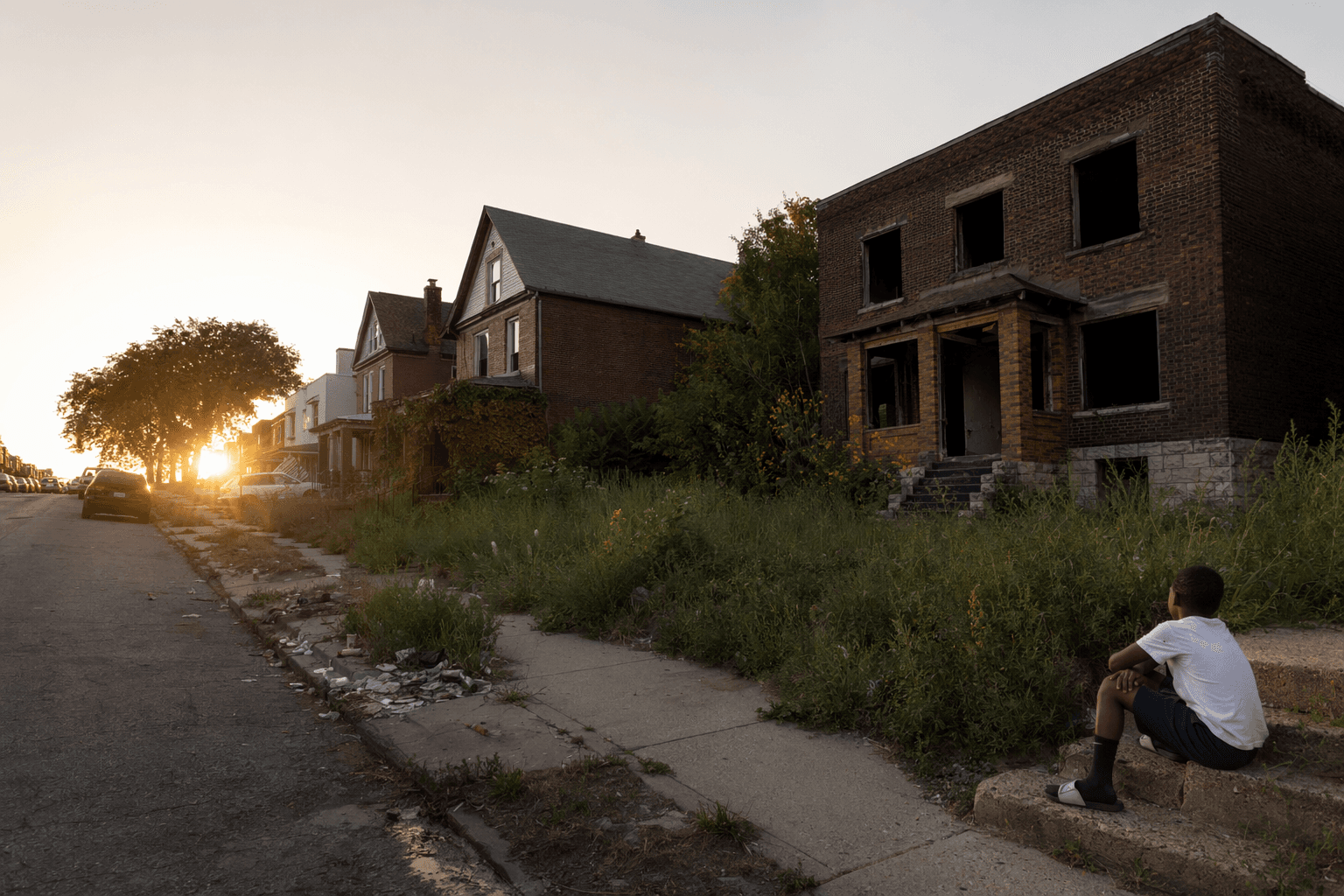
Park Heights residents are looking at empty rowhouses, drug activity and long-simmering poverty and concluding that City Hall has not met the basic test of showing up for the neighborhood. Along Park Heights Avenue and Reisterstown Road, that frustration has hardened into distrust, with some residents saying the people running Baltimore no longer seem capable of fixing the problems they live with every day.
The anger lands in a neighborhood that is too large to dismiss as a single troubled block. Park Heights covers about 1,500 acres, has roughly 30,000 residents and includes 12 neighborhood statistical areas, where conditions can change block by block. Baltimore designated it as the city’s newest Main Streets district on May 13, 2024, and planning materials describe it as Baltimore’s largest Impact Investment Area by acreage and population. ZIP code 21215, which includes Park Heights, has a population of 52,229.
That scale makes the political backdrop harder to ignore. Baltimore voters approved Question K in November 2022 by a 71.33% to 28.67% margin, 98,529 yes votes to 39,604 no votes, to limit city elected officials to two terms within a 12-year period. In 2026, City Councilman Mark Conway pushed to repeal those limits, even as the council on May 11 failed to fast-track a charter proposal that would have expanded the inspector general’s access to records and resources. For residents already skeptical of City Hall, the timing reinforced the sense that leaders were focused on their own rules while neighborhoods like Park Heights kept absorbing the fallout.
The records fight has centered on Inspector General Isabel Cumming and her office’s access to city documents tied to the Mayor’s Office of Neighborhood Safety and Engagement’s SideStep youth diversion pilot. Cumming has said her office was given heavily redacted documents, that subpoenas were ignored and that she would go to court to fight for records. City Hall, after a Maryland Attorney General opinion, moved in February 2026 to tighten how agencies shared protected information, citing privacy and attorney-client privilege concerns. To residents watching from the sidewalk, that looked less like transparency than a city arguing over how much its watchdog should be allowed to see.
Park Heights is also part of Maryland’s ENOUGH anti-poverty effort, which is supposed to reduce concentrated childhood poverty through community-led solutions, with Park Heights Renaissance serving as the community quarterback for the work. City planning has been going on there since 2018, but the neighborhood’s daily realities still tell a different story, one marked by vacancy, safety concerns and thin school-to-work prospects. In a city still shadowed by corruption scandals tied to Catherine Pugh and Sheila Dixon, that gap between message and lived experience is exactly what keeps trust in City Hall so fragile.
This article was produced by Prism’s automated news system from verified source data, official records, and press releases, then run through automated quality and moderation checks before publishing. The system is built and supervised by the people who set the standards it runs under. Read our full AI policy.
Did this article answer your question?