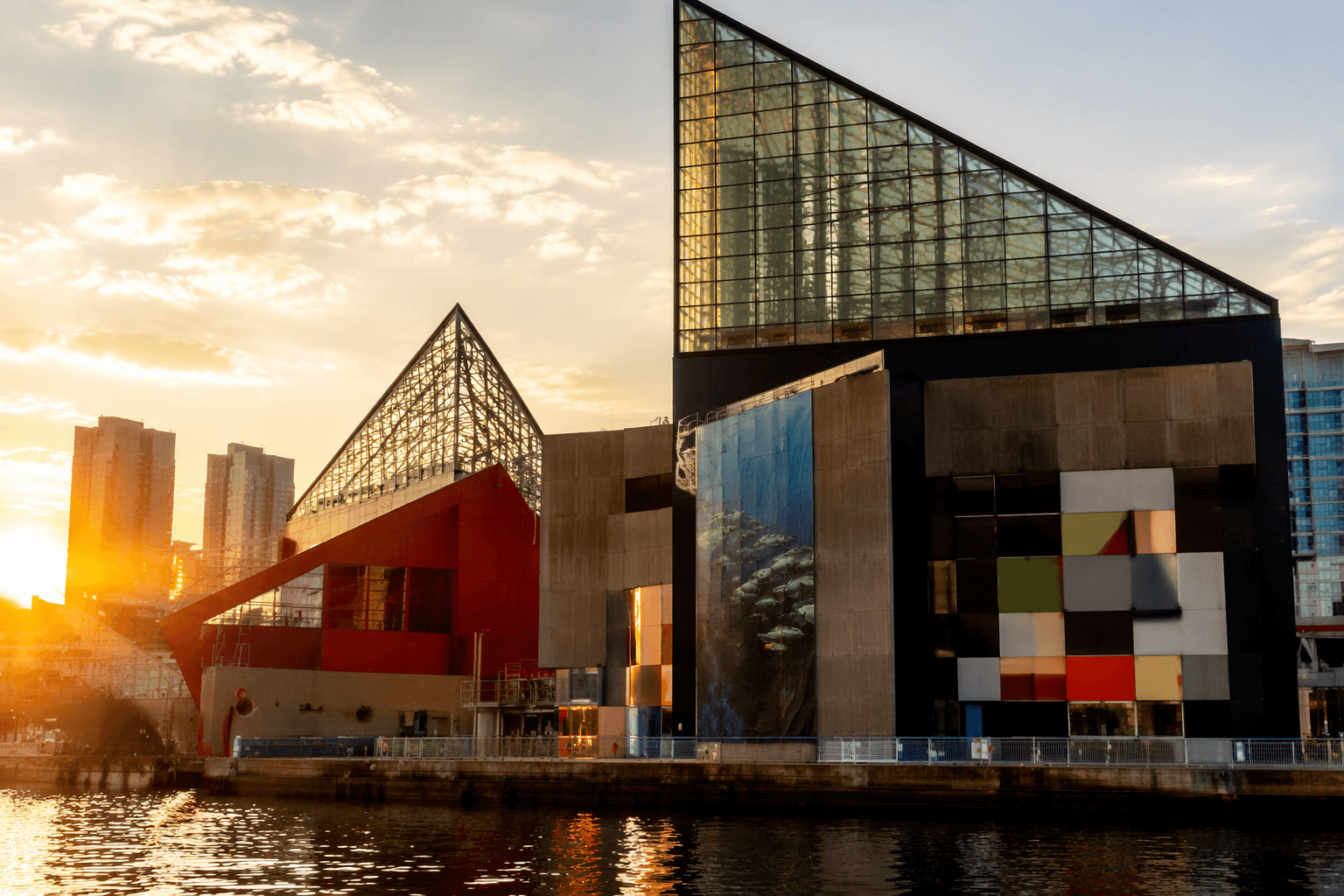
Preakness moves to Laurel Park as Pimlico redevelopment continues
Baltimore lost its signature Preakness weekend as the 151st race ran at Laurel Park, while Pimlico sat closed for redevelopment and the city waited on 2027.

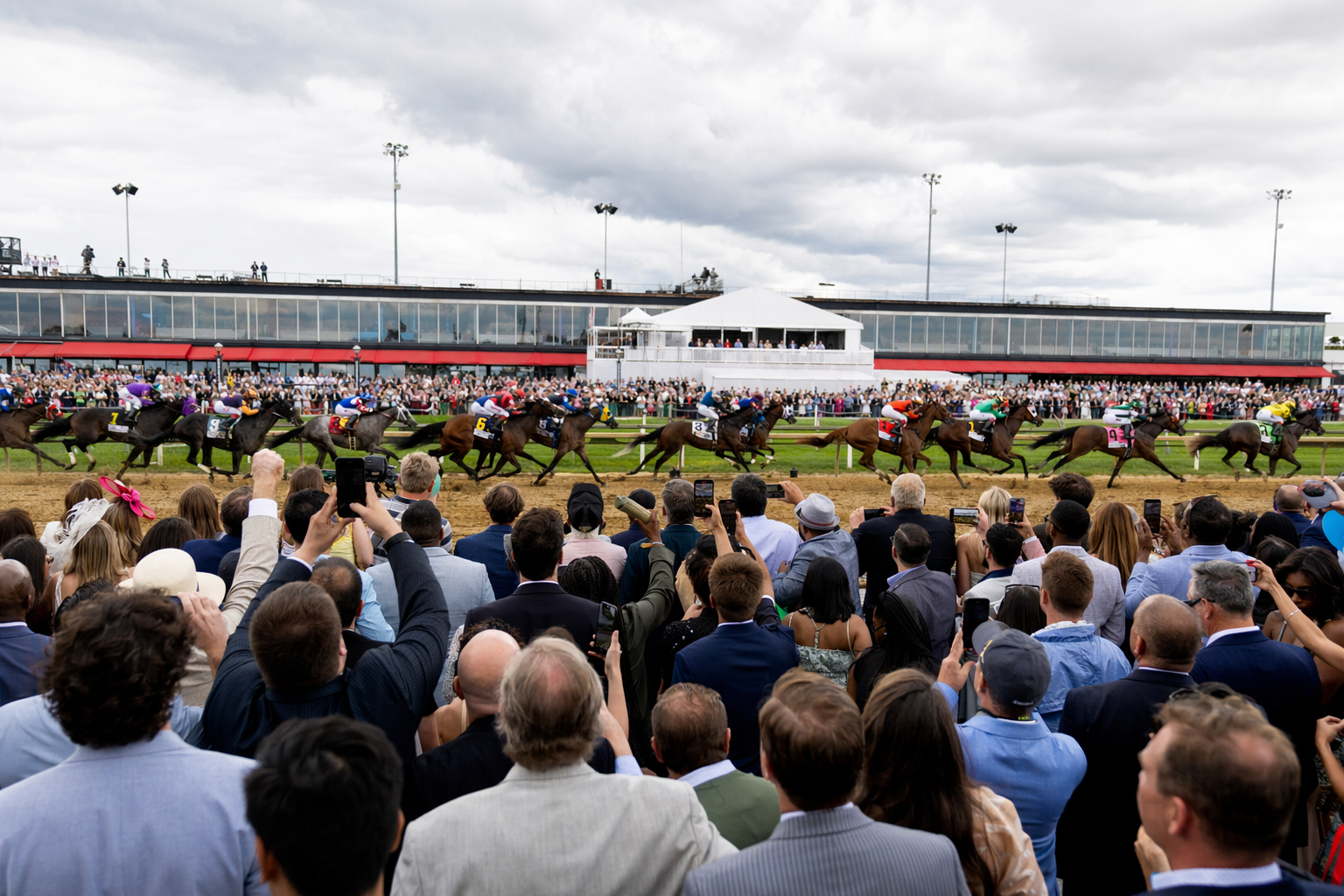
Baltimore spent Preakness weekend without its signature race, a break that carried both economic and symbolic weight as Preakness 151 ran at Laurel Park instead of Pimlico Race Course. For the first time since 1908, the middle jewel of the Triple Crown was held away from the city, leaving Baltimore to watch one of its most recognizable spring institutions play out 18 miles away in Laurel.
The shift hit hardest in the places that have long counted on race week traffic, from bars and restaurants near Pimlico to hotels, caterers, vendors and race-day workers who built their May business around the crowds that once poured into Baltimore. That loss was not just about one afternoon at the track. It removed the city’s biggest racing weekend from the calendar while Pimlico remained closed for redevelopment and construction.
State officials have framed the move as temporary. The race is expected to return to a reimagined and modernized Pimlico in 2027, after demolition began following the 150th Preakness. Even so, the decision underscored how much the event’s identity has been tied to Baltimore, where the race has lived for generations and where its absence now feels like a turning point for a major civic institution.
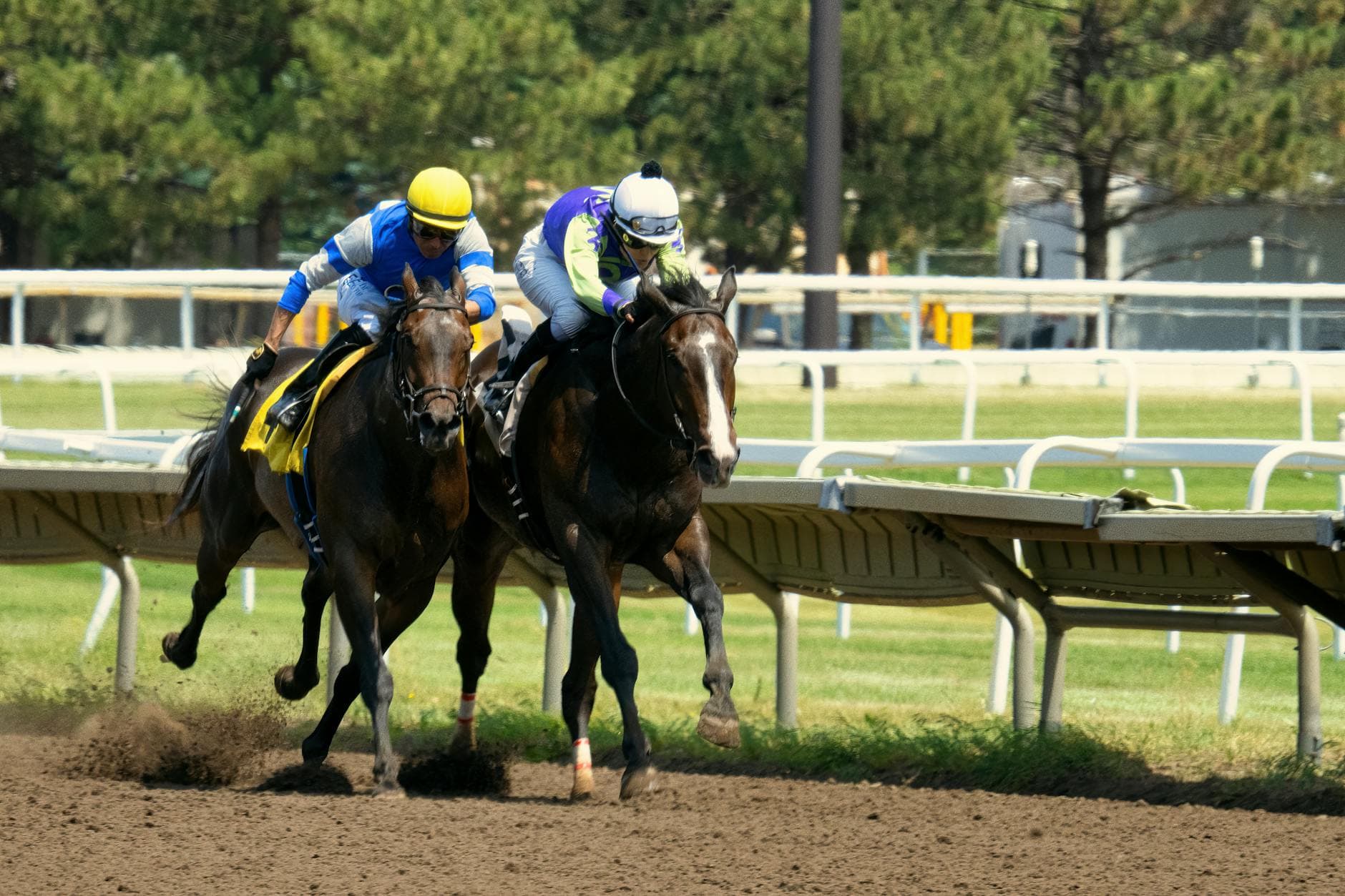
At Laurel Park, the races moved into a tighter setting. Preakness 151 was held Saturday, May 16, 2026, after the Black-Eyed Susan Stakes on Friday, May 15. Laurel Park, at 198 Laurel Race Track Road in Laurel, Maryland 20725, had attendance capped at 4,800 and tickets sold out, creating a more intimate race-day atmosphere than the usual Baltimore spectacle. The Maryland Jockey Club at Laurel Park also received approval to conduct 120 days of live racing in 2026.
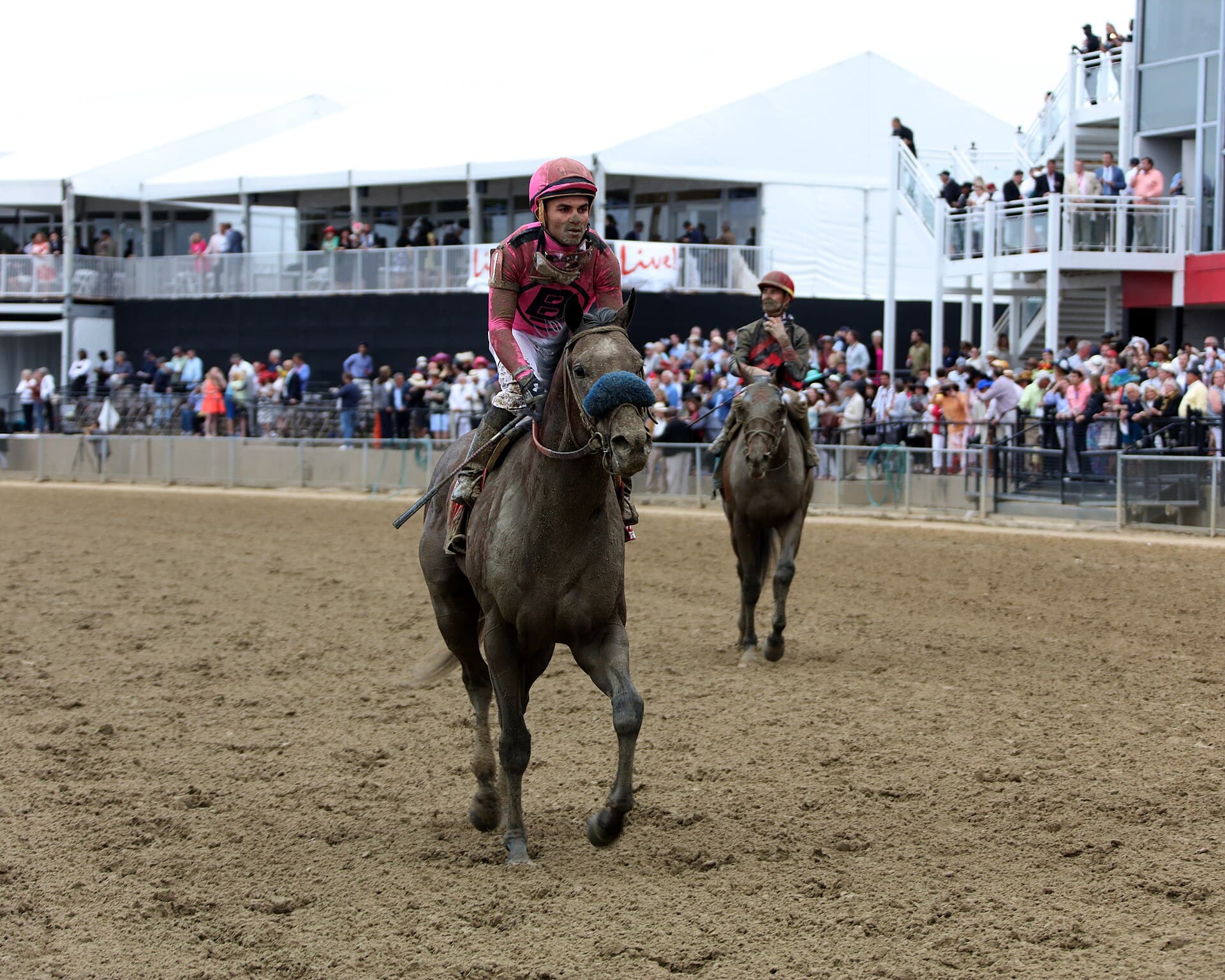
The venue change also altered the racing itself. Laurel’s configuration gives the Preakness a shorter homestretch than Pimlico, a difference that can change how jockeys time their moves and how horses are asked to finish. For Maryland officials, the Laurel stop is part of a broader effort to secure the future of thoroughbred racing in the state, including the state’s acquisition of Laurel Park. For Baltimore, the unresolved question is whether this was a one-year detour or the first step in a deeper shift away from the city that made the Preakness part of its identity.
This article was produced by Prism’s automated news system from verified source data, official records, and press releases, then run through automated quality and moderation checks before publishing. The system is built and supervised by the people who set the standards it runs under. Read our full AI policy.
Did this article answer your question?