Report blames staffing, aging equipment in deadly Linden Heights fire
A new review says Baltimore kept the staffing, truck and training gaps that doomed two firefighters in Linden Heights, and it lays out 60 fixes to close them.
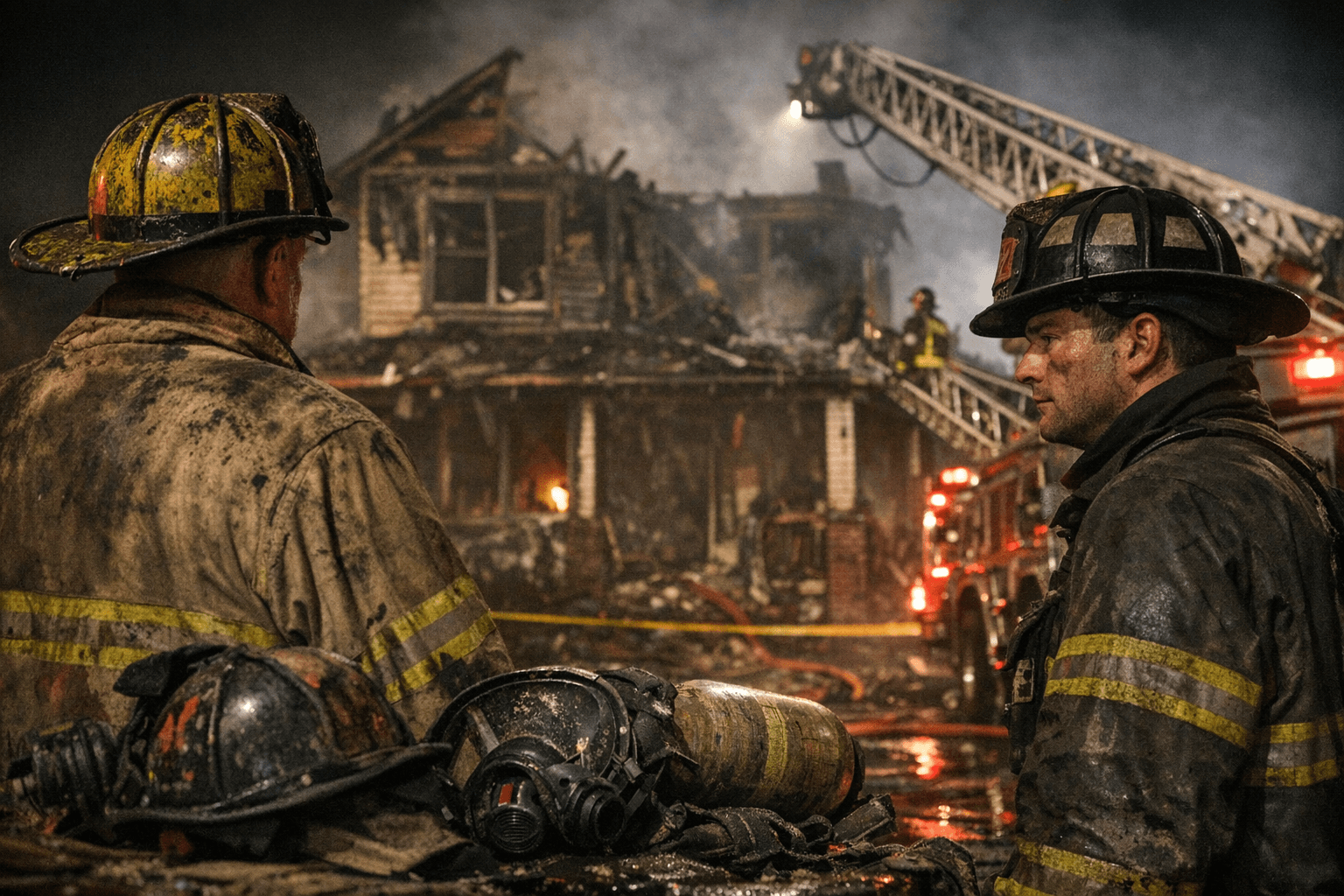
Baltimore’s fire department still carried the same staffing gaps, aging trucks and training holes that helped kill Acting Capt. Dillon Rinaldo and Firefighter/EMT Rodney Pitts III in a Northwest Baltimore rowhouse fire, according to a new city review that turns the 2023 tragedy into a test of whether the department has changed.
The Baltimore City Incident Review Team dated its report Feb. 26, 2026, and WMAR reported it includes 60 recommendations and 100 action items for the Baltimore City Fire Department. The findings center on the Oct. 19, 2023 fire on the 5200 block of Linden Heights Avenue, where investigators said the department was dealing with staffing shortages, aging equipment and outdated training.
The report lands against a grim recent backdrop. The Linden Heights deaths followed the January 2022 Stricker Street fire, which killed three Baltimore firefighters, meaning five city firefighters died battling blazes in less than two years. For a city that has long relied on its fire department as a frontline emergency service, the pattern raises a basic question: whether the same conditions that contributed to earlier loss were still in place when Rinaldo and Pitts died.
Investigators previously ruled the Linden Heights blaze accidental. Federal investigators could not rule out either an electrical malfunction or improperly discarded smoking materials as the ignition source. But the report focuses less on how the fire began than on why the response failed so badly once crews arrived.
According to the findings, the firefighters’ breathing apparatus failed in under four minutes. Both face pieces and air supply hoses malfunctioned, and protective clothing degraded during the fire. The report also said neither firefighter had been trained on the “flow and move” technique, a method the department later began adding to its instruction.
The equipment and training failures came on top of longstanding fleet problems. In 2023, Baltimore fire vehicles were being used at an average age of 11.4 years, above the National Fire Protection Association’s 10-year guideline. The department also told city leaders it was operating with 30% fewer fire engines than needed to properly cover the city.
The department has since changed its initial fire attack procedure so crews now fight fires from outside first until a battalion chief deems it safe to enter. Baltimore Fire Chief James Wallace called the loss heartbreaking, and the shift underscores how much the department’s tactics have been forced to adapt after the fire. The harder question now is whether the city will move fast enough on staffing, apparatus readiness and training before another Baltimore family, and another fire company, pays the price.
Sources:
Know something we missed? Have a correction or additional information?
Submit a Tip