Residents press Baltimore leaders on taxes, services at budget hearing
Chants of “Our taxes, our budget” framed Taxpayer Night as Baltimore residents pressed City Hall to explain a roughly $4.9 billion spending plan.
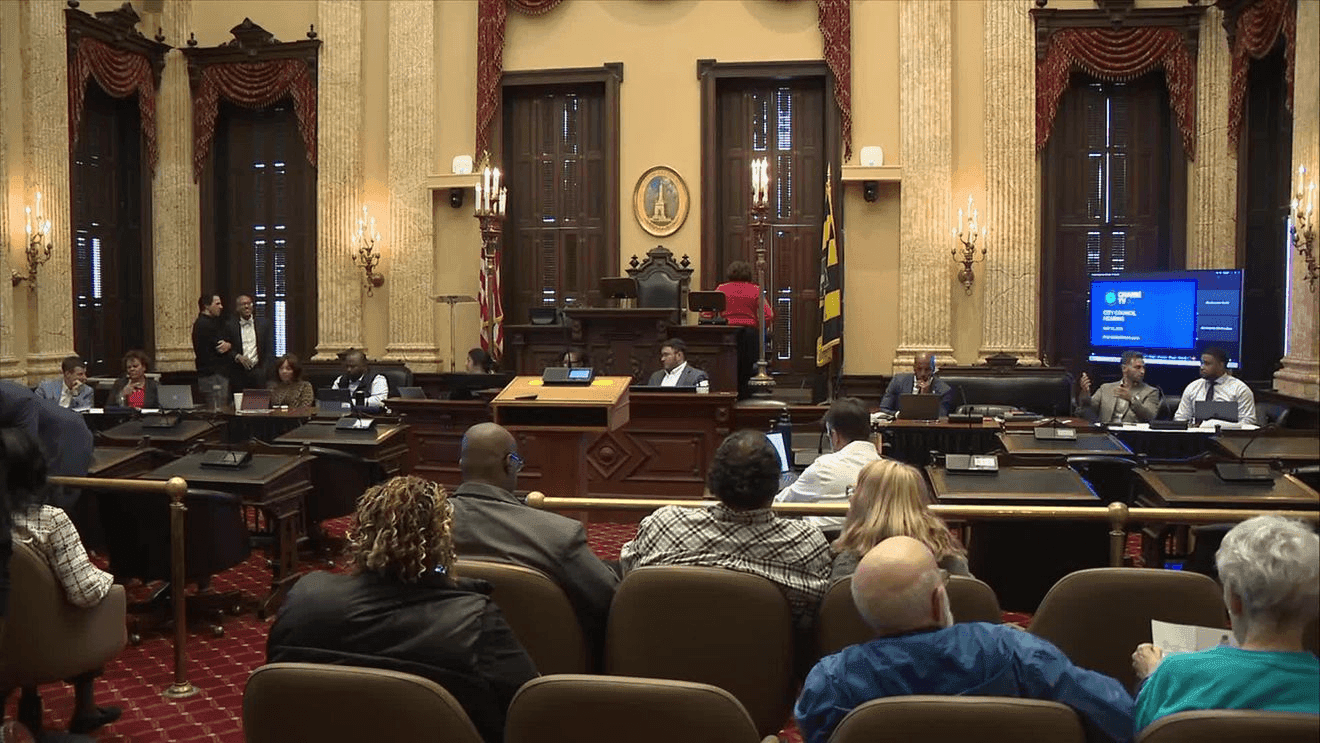
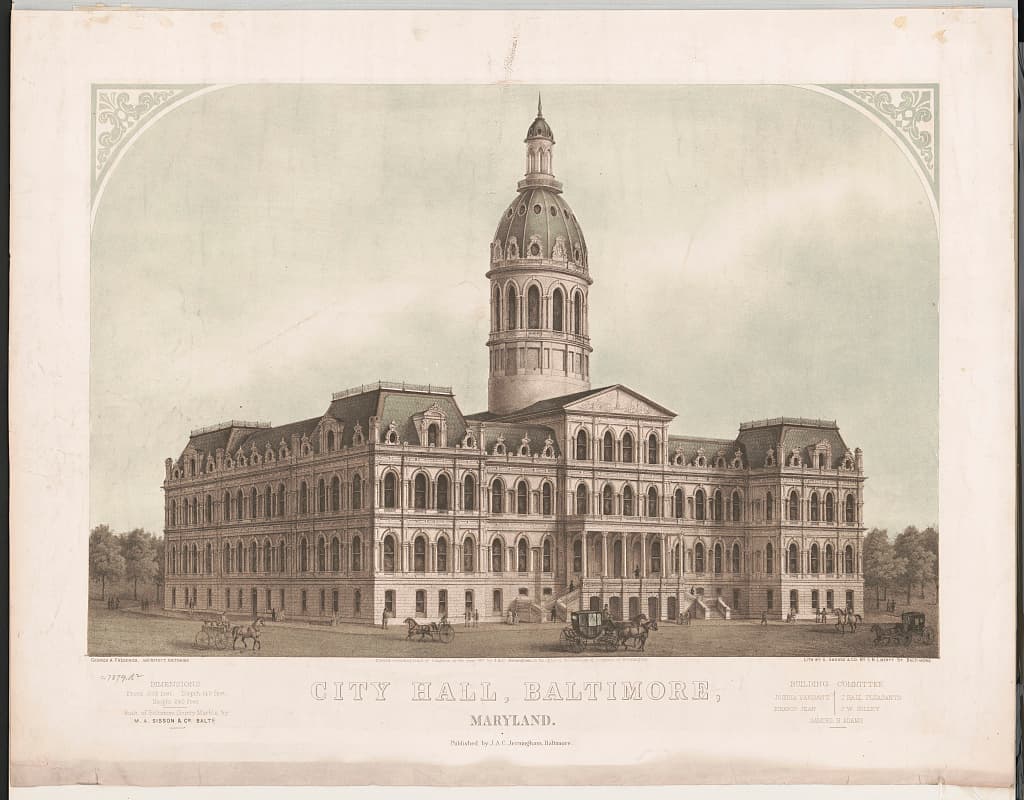
Chants of “Our taxes, our budget” rang out outside City Hall as Baltimore residents turned Taxpayer Night into a demand for relief, reform and a better return on their tax dollars. At the May 14 hearing, speakers pushed the city to show how a roughly $4.9 billion FY2027 budget would help neighborhoods that are still waiting for stronger housing, cleaner streets, and more reliable services.
The hearing before the Board of Estimates gave residents one of the few public chances to confront Baltimore’s budget choices before the spending plan is finalized. City budget rules allow testimony in person, virtually or in writing, and the calendar shows more FY2027 agency hearings continuing later in May. That schedule matters because Taxpayer Night is where public frustration can still shape the debate, not just react to it.
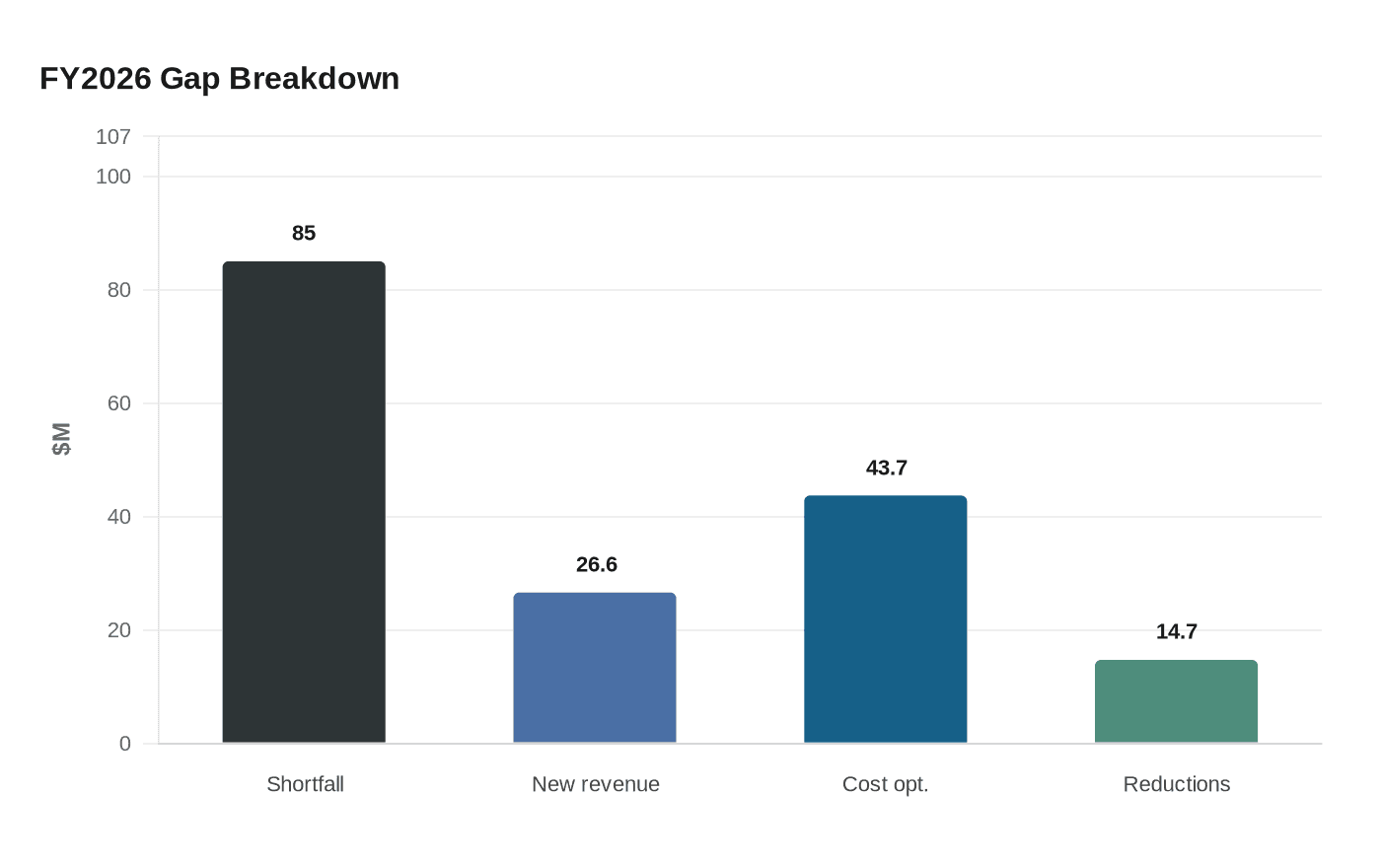
Baltimore’s last budget fight showed how tight those choices can be. The FY2026 budget opened with an $85 million shortfall but was passed 13-2 and took effect July 1, 2025, without any increase in property or income taxes. City leaders closed the gap with $26.6 million in new revenue, $43.7 million in citywide cost optimizations and $14.7 million in agency-specific reductions. The plan also carried $1.2 billion for public safety, $624.8 million for youth initiatives, $1.1 billion for neighborhood services and $346.4 million for neighborhood development, alongside $125 million in borrowing for capital projects, the largest capital investment in 20 years.

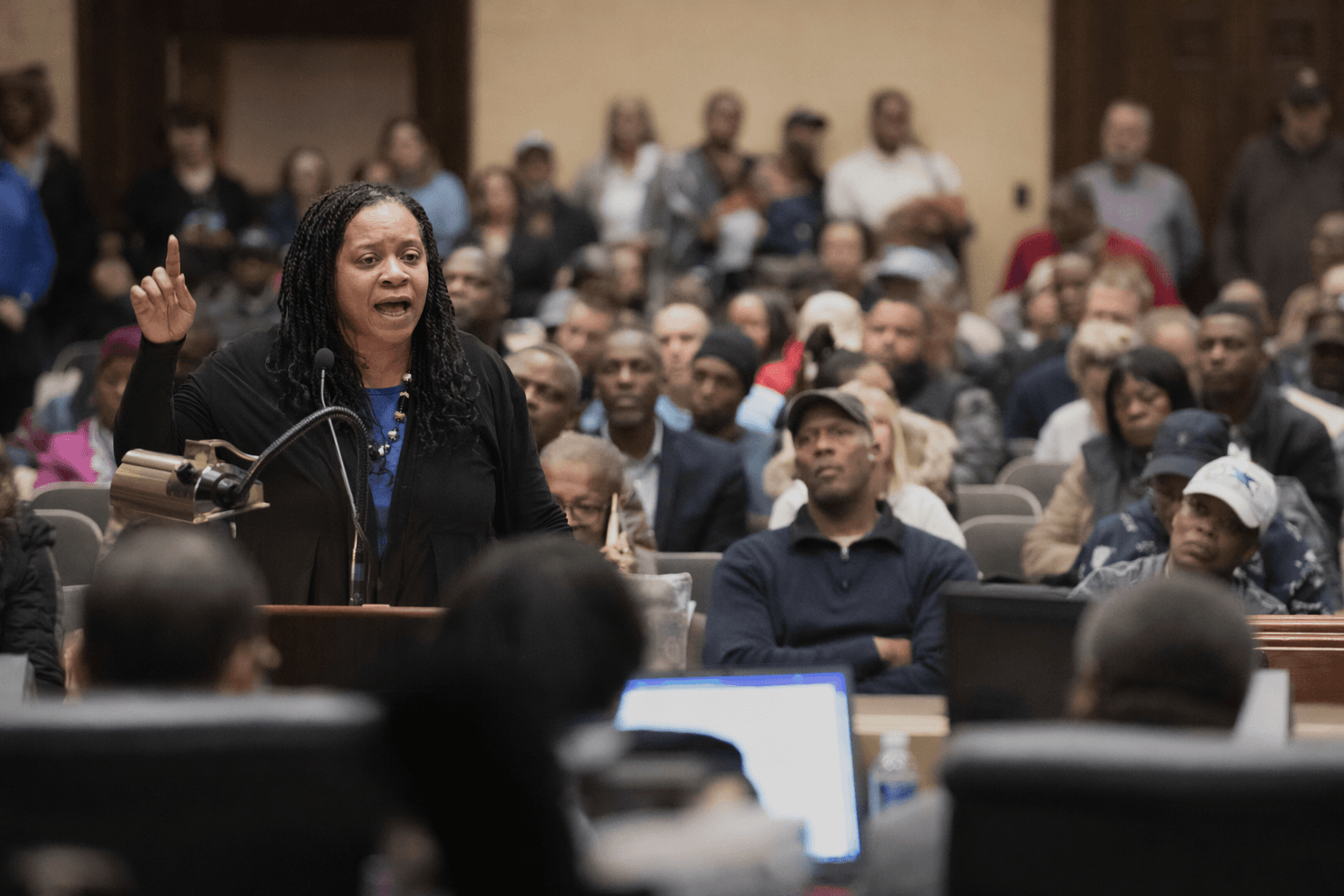
This year, speakers focused on where the city should go next. Residents and advocates called for more support for worker cooperatives, composting, recycling, housing, homeless services and nonprofit programs. Some pushed back on a proposed $44 million police increase, saying more of the budget should be steered toward social services and neighborhood investment instead of policing alone. One FY2027 summary put total police funding at $656.6 million and the Mayor’s Office of Homeless Services at about $83 million, an increase of $10 million.
Public safety spending remained central to the debate. In FY2026, the Baltimore City Fire Department received $362 million, a 10.7% increase from the year before, after the city moved $75 million in EMS revenue into the general fund when it eliminated the EMS special fund. Fire department leaders said the money would help with overtime, staffing shortages, dispatch modernization and fire-code enforcement hiring. For residents, the budget fight is still about whether those dollars translate into faster response, steadier housing support and more visible results on the block.
Groups including the With Us For Us Coalition, Jews United for Justice and the Maryland Center on Economic Policy used Taxpayer Night to press for a more democratic, transparent process and for major institutions to pay more through PILOT-related reforms. The late-May hearings will show whether City Hall is ready to answer those demands with numbers that match the pressure outside its doors.
This article was produced by Prism’s automated news system from verified source data, official records, and press releases, then run through automated quality and moderation checks before publishing. The system is built and supervised by the people who set the standards it runs under. Read our full AI policy.
Did this article answer your question?