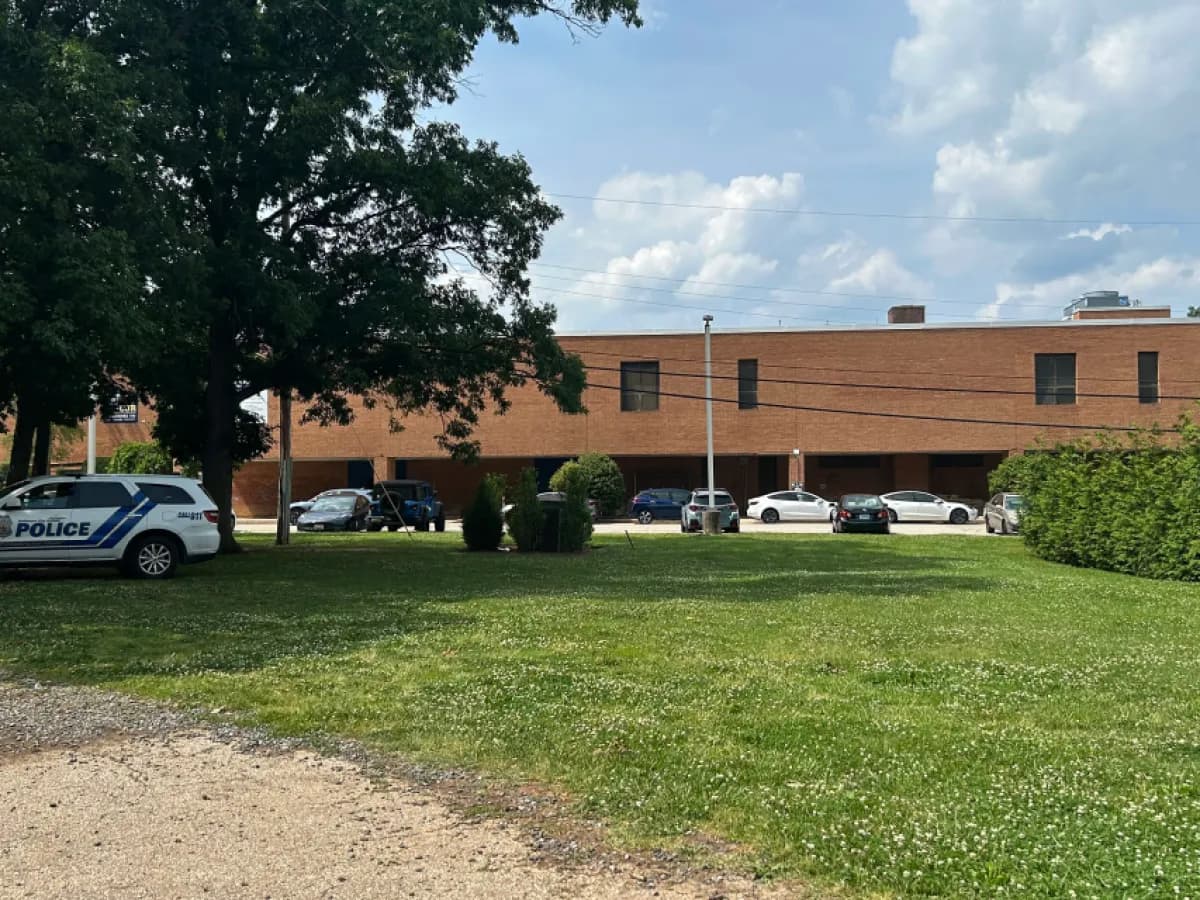
Sinkhole swallows car on East Baltimore street amid storm damage
A sinkhole opened in East Baltimore’s 900 block of North Chester Street, swallowing a car and closing nearby roads as crews faced gas, water and storm damage.
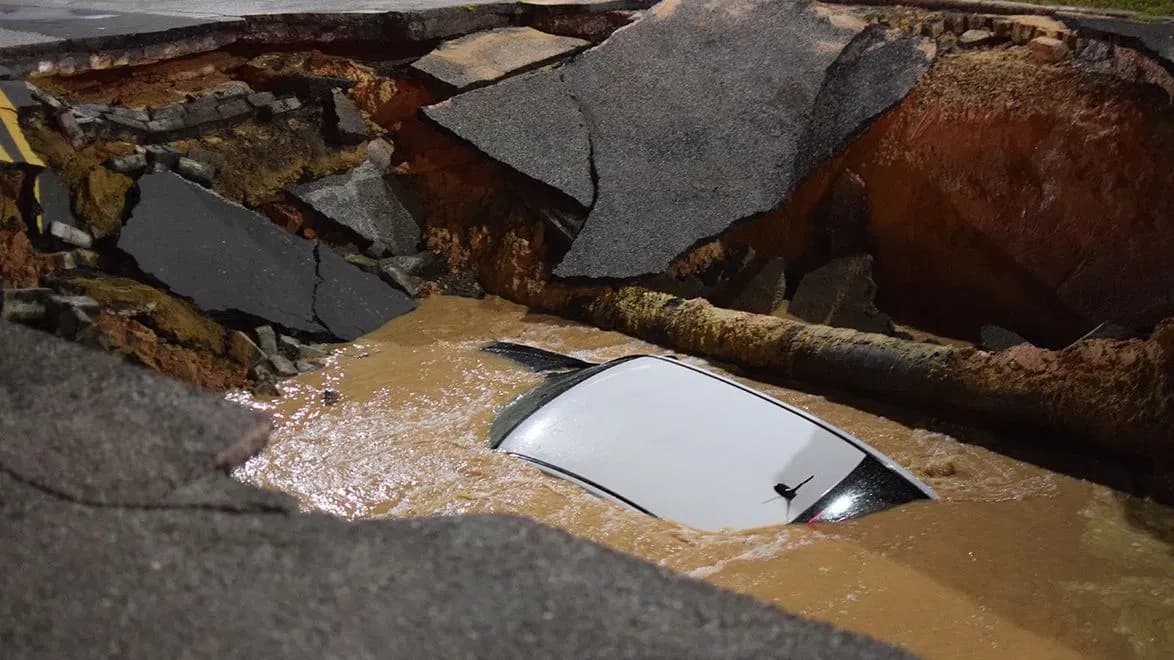
A large sinkhole opened early Saturday in the 900 block of North Chester Street in East Baltimore, swallowed a car and flooded a freshly paved stretch of roadway. Water rushed into the hole, submerging the vehicle as crews moved to secure the block.
Baltimore City officials closed North Chester Street at Ashland Avenue because of sinkhole and water utility damage. The closure cut off a key stretch of East Baltimore street traffic while repairs began and neighbors faced detours around the affected block.

Officials said a woman was uninjured after her car fell into the massive sinkhole. The collapse added a jarring street-level disruption in a neighborhood already dealing with storm damage, with one account saying the roadway gave way around the car before water pulled deeper into the opening.
A private construction crew was working on the street when part of the hole collapsed, and fire officials said an 8-inch gas main was broken. The damage turned the incident into more than a surface repair, with utility crews now dealing with both the roadway failure and the underground line.
Repairs were expected to take several days, leaving North Chester Street closed as Baltimore City Department of Transportation crews and utility workers assessed the extent of the damage. The sinkhole also damaged a section of newly paved pavement, raising immediate questions about how much more of the block may need to be dug up before traffic can return.
The collapse came as severe storms and flooding concerns were active across the Baltimore area, with weather warnings that day calling for damaging winds, localized flooding and possible severe storms across Maryland. For East Baltimore, the timing made the sinkhole feel like more than a single bad break in the street: it became a test of whether heavy weather merely triggered the failure or exposed deeper infrastructure weaknesses under the block.
This article was produced by Prism’s automated news system from verified source data, official records, and press releases, then run through automated quality and moderation checks before publishing. The system is built and supervised by the people who set the standards it runs under. Read our full AI policy.
Did this article answer your question?