South Baltimore homeowner discovers 19th-century mining caverns beneath her house
A South Baltimore homeowner says cracks after a rainstorm led to caverns about 30 feet below her house, raising safety and property-value concerns.
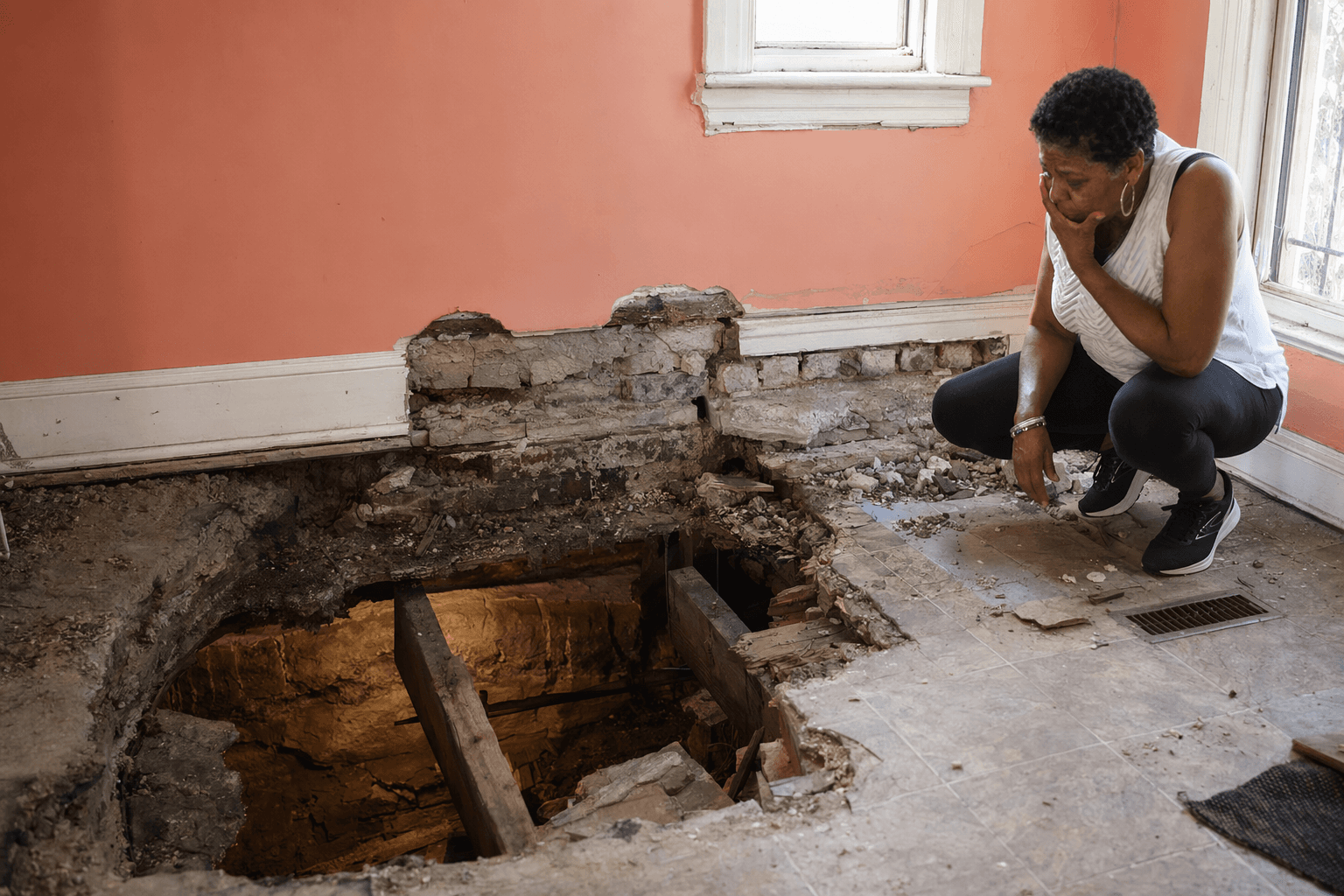
A South Baltimore home has become the latest reminder that what sits underground can shape the value, safety and sellability of a property above it. Nancy Waldhaus, who has lived in the house since 1994, said the trouble began after a heavy rainstorm in April 2024, when a tree on the city-owned lot next door suddenly appeared to drop several feet in height and cracks started spreading in and around her home.
Waldhaus filed a 311 report as the ground shifted, but she said the response did not move fast enough to explain what was happening. Baltimore City says 311 is the first stop for non-emergency problems and that residents can submit requests by phone, the mobile app or the web portal. In Waldhaus’s case, the concern grew serious enough that she hired a structural engineering firm, which found the cracks moving to a 2-millimeter threshold within just a few days and recommended borings to see what was beneath the site.
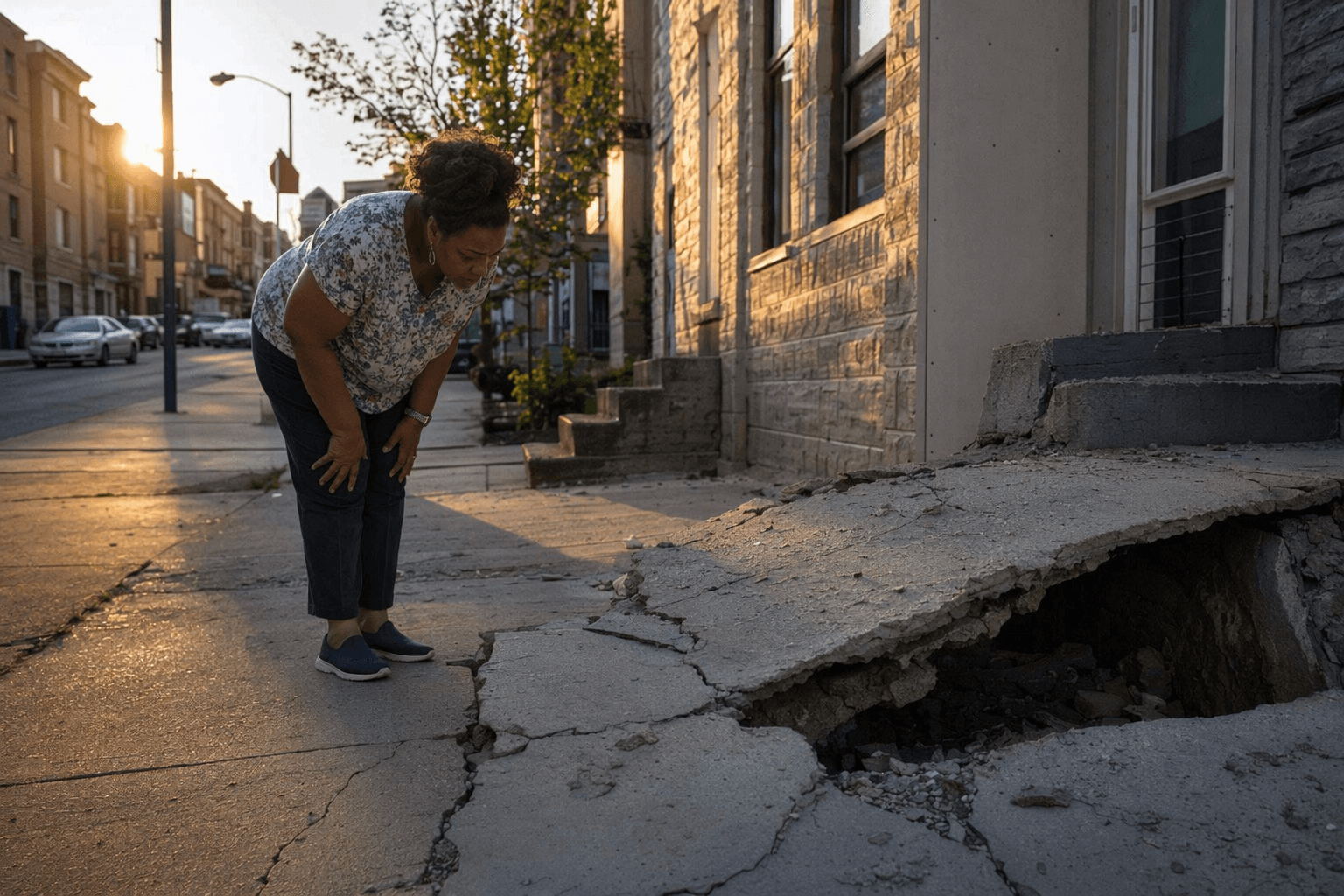
That next step turned into another hurdle. Waldhaus said she needed city permission to drill on the lot beside her home, and months after her first report the city still had not determined which department was responsible for the property. For a homeowner trying to preserve a house and protect its value, that kind of delay can matter as much as the damage itself. A structure with unexplained cracking, uncertain ground conditions and a vacant lot next door can become harder to insure, harder to finance and harder to sell until the source of the problem is clear.
The deeper concern is Baltimore’s buried history. In the 1850s, South Baltimore residents mined sand and clay for products including glass, bricks and sewer pipes, then filled in the caverns and largely forgot them. Maryland Geological Survey geologist William Vincett reviewed an old city report that points to caverns about 30 feet below the surface, part of a broader underground network that may still run beneath the neighborhood.
That history became impossible to ignore after five nearby basements collapsed on East Clement Street. A city report published in October 1951 found an extensive network of caverns tied to the old mining operations. The city condemned the properties, demolished the houses and paved over the area. The vacant lot created by that demolition sits directly next to Waldhaus’s home today, making her case feel less like an isolated crack in one foundation and more like a neighborhood problem with consequences that could extend well beyond a single address.
This article was produced by Prism’s automated news system from verified source data, official records, and press releases, then run through automated quality and moderation checks before publishing. The system is built and supervised by the people who set the standards it runs under. Read our full AI policy.
Did this article answer your question?


