Veteran Reporter Charles Robinson III Dies, Leaves Deep Local Legacy
Charles Robinson III, a 69 year old veteran journalist known for decades of coverage of politics and minority communities, died earlier this week. His work across print, radio, and public television, including at Maryland Public Television, mattered to Baltimore residents because it amplified local voices and helped hold institutions accountable.
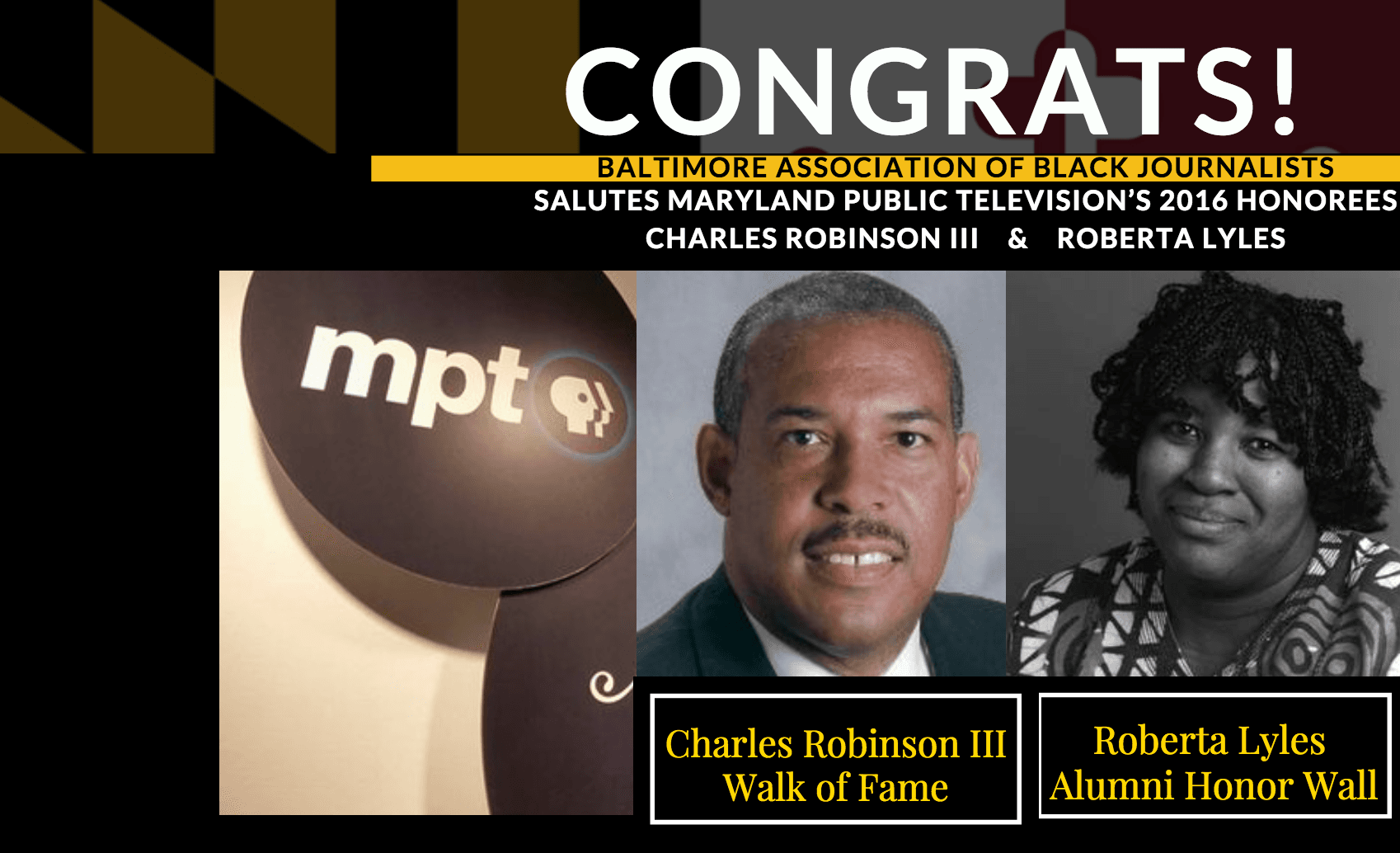
Charles Robinson III died earlier this week at age 69, leaving a long record of reporting that shaped civic life in Baltimore and across Maryland. Robinson spent decades covering politics and minority communities on multiple platforms, moving between print, radio, and public television during a career that became a touchstone for trustworthy local journalism.
Robinson was widely recognized for his work at Maryland Public Television, where his reporting brought sustained attention to issues often overlooked by mainstream outlets. Colleagues remembered him for fairness, trustworthiness and deep reporting on issues affecting Baltimore and Maryland communities. Those characteristics underpinned stories that connected policy debates to everyday impacts for residents, from municipal governance to community services.
His passing represents more than the loss of an individual reporter. Local news ecosystems rely on experienced journalists who can translate complex policy decisions into clear terms for the public, cultivate relationships in communities, and maintain institutional memory that sustains civic oversight. Robinson’s emphasis on minority communities helped ensure that policy discussions included perspectives that are frequently marginalized, and that reporting translated into greater public awareness of local problems and potential solutions.
For Baltimore residents, the immediate impact will be felt in the narrowing of coverage that followed Robinson’s beat. When seasoned reporters depart, whether through retirement or death, the city loses a familiar interpreter of municipal politics and a consistent chronicler of community concerns. That gap can affect voter information, public debate and local accountability, particularly in neighborhoods where trust in media and civic institutions is already fragile.

Robinson’s career also serves as a reminder of the importance of diverse reporting platforms. His movement among print, radio and public television demonstrated how different media can reach different audiences, and how sustained engagement across platforms deepens public understanding. As Baltimore’s journalists and news organizations reflect on his work, local leaders and news managers will face decisions about how to preserve the kind of in depth, community focused reporting that Robinson practiced.
Friends and peers noted his steady presence in Maryland journalism, and his legacy will be measured by the stories he pursued and the people he helped bring into public view. For many residents, his reporting will remain part of the civic record, a resource for understanding decisions that shape daily life in Baltimore.
This article was produced by Prism’s automated news system from verified source data, official records, and press releases, then run through automated quality and moderation checks before publishing. The system is built and supervised by the people who set the standards it runs under. Read our full AI policy.
Did this article answer your question?


