Walk Baltimore, Explore Historic Neighborhoods, Transit Tips and Routes
Five of Baltimore Citys most walkable historic neighborhoods offer ready access to cultural landmarks, year round markets, and dining that support local businesses and neighborhood life. This practical route and transit overview explains where to walk, how to get there, what to expect on safety and accessibility, and why these corridors matter for residents economy and daily life.
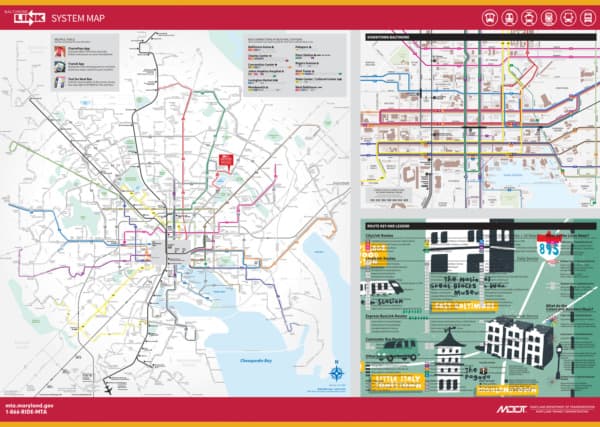
Baltimore residents and visitors can navigate five compact neighborhoods that concentrate the citys maritime history, museums, theaters, and distinctive rowhouse architecture. Fells Point, Federal Hill, Mount Vernon, Station North, and the Inner Harbor each deliver walkable circuits that combine everyday services with cultural destinations, supporting neighborhood restaurants, small retailers, and arts organizations.
Start with straightforward walking loops. Fells Point offers a waterfront circuit around Thames Street that highlights maritime sites and local dining, with side streets showing classic rowhouse architecture. Federal Hill provides elevated views of the harbor and a short walk to waterfront parks. Mount Vernon centers on the Walters Art Museum and historic theaters near the Washington Monument circle, making it a compact museum and performance walk. Station North links galleries, theaters, and creative businesses along a corridor that benefits from proximity to downtown. The Inner Harbor loop connects waterfront promenades to museums and seasonal festival sites.
Transit access is practical for most residents. Use Light Rail and Metro service to reach downtown stations, and the Charm City Circulator to move between the Inner Harbor, Fells Point, and Federal Hill without needing a car. Riders should consult MTA schedules before travel for the latest service updates. Surface parking is limited near core attractions, so plan for municipal garages and pay by phone parking in the densest areas, or arrive early on weekday mornings to secure curbside spaces.

Safety and accessibility vary by route. Well lit main streets and promenades are generally accessible, but several historic blocks include uneven cobbles and steps that can impede strollers and wheelchairs. Plan routes that favor flat sidewalks and use crossings at signalized intersections. Year round experiences include neighborhood markets, museum exhibitions, seasonal festivals, and a steady stream of neighborhood dining options that sustain the local hospitality sector.
Economically, these walkable corridors concentrate foot traffic that supports small businesses and cultural institutions, and they remain focal points for city investments in public space and pedestrian infrastructure. For residents, short walks to services and transit reduce reliance on cars, ease household budgets, and help sustain vibrant local commerce throughout the year.
This article was produced by Prism’s automated news system from verified source data, official records, and press releases, then run through automated quality and moderation checks before publishing. The system is built and supervised by the people who set the standards it runs under. Read our full AI policy.
Did this article answer your question?


