West Lexington Street neighbors push city to act on vacant home
Neighbors say a vacant West Lexington Street home has fueled crime, rats and trash for years, and they want City Hall to move before the block bears more costs.
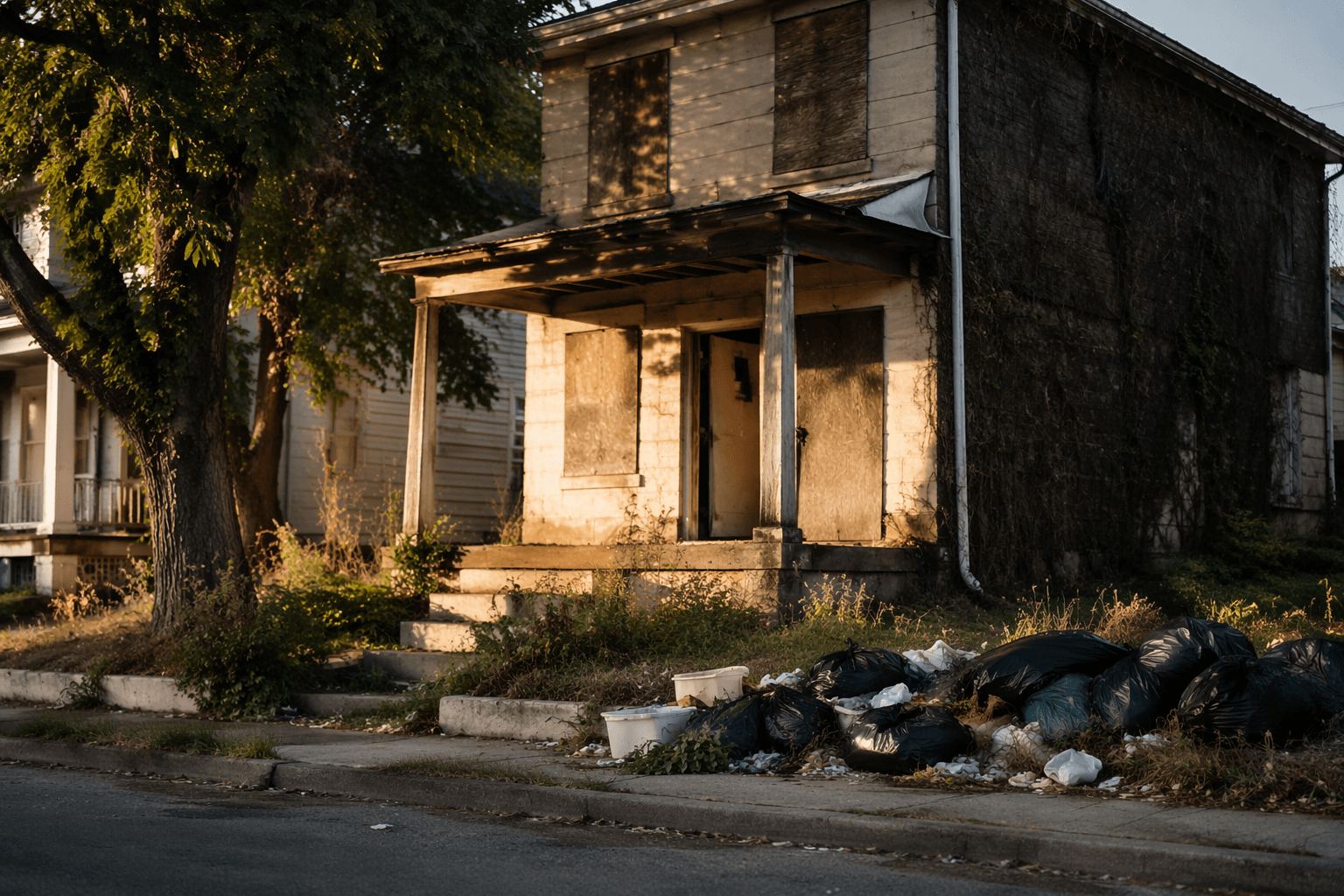
A long-vacant home on West Lexington Street has become a daily safety burden for nearby families in Southwest Baltimore, neighbors say, with crime, trash and rats spilling onto the block as residents wait for City Hall to step in. Shirley Townsend, a neighbor, put the frustration bluntly: “Enough is enough.”
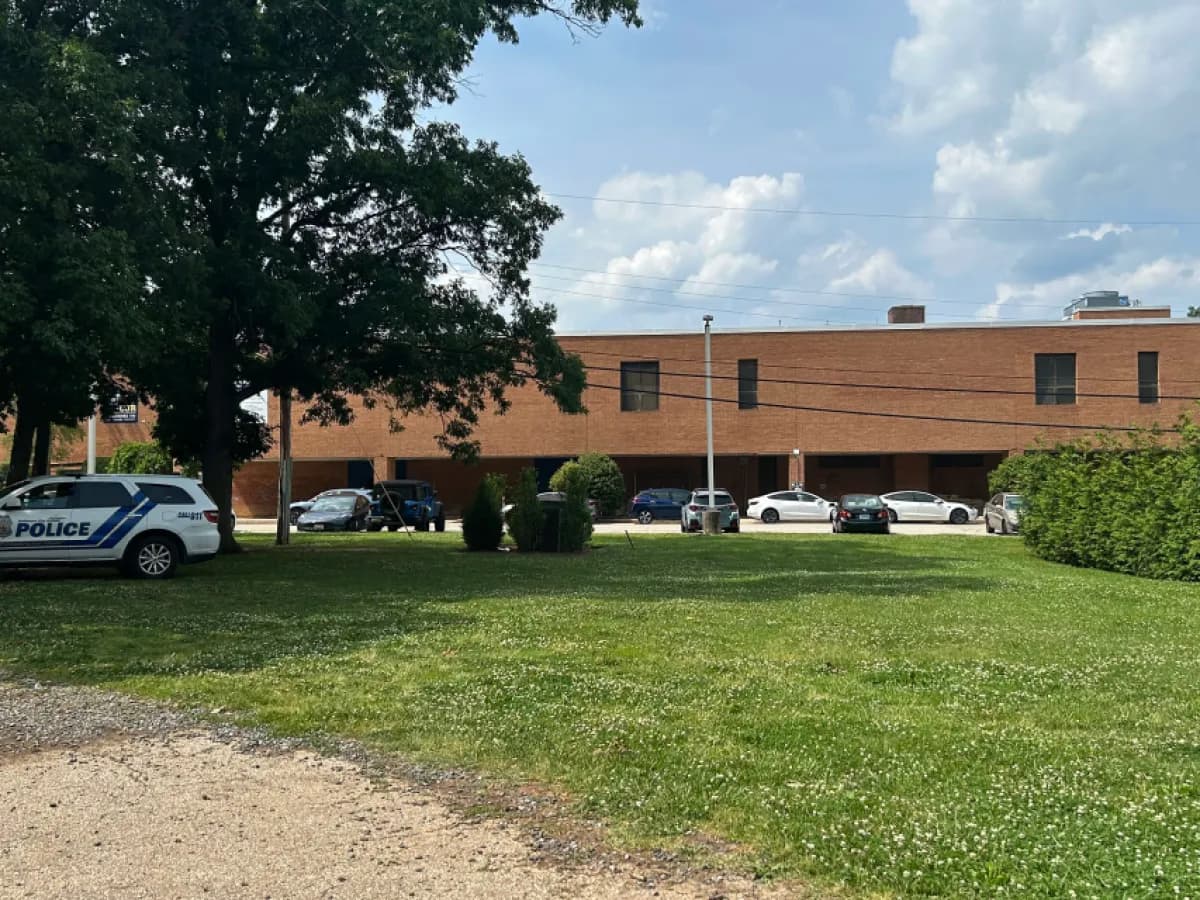
The concern carries extra weight on the 1700 block of West Lexington Street, where officers responded on September 4, 2022 after human remains were found in the rear yard of a vacant home. Baltimore police later ruled the death a homicide caused by trauma on June 26, 2023, a grim reminder of how quickly neglected vacant properties can turn into danger zones.
Neighbors’ complaints land in the middle of Baltimore’s broader vacancy crisis. City and state materials say Baltimore has nearly 13,000 vacant homes, and officials have set a long-range target of reducing vacancy to “functional zero” over 15 years. That goal has been paired with new money and new tools, including the Baltimore Vacants Reinvestment Initiative, which received a $50 million annual allocation in the FY25 budget to help public and nonprofit partners acquire, stabilize, demolish and prepare vacant properties for reuse.
Baltimore City says it also has enforcement powers that can move beyond repeated complaints. Its Judicial In Rem foreclosure process can allow the city to take title to a vacant lot or building when liens exceed assessed value, and the city’s Vacant Building Notices dataset is updated daily so residents and officials can track problem properties. Still, on West Lexington Street, neighbors say the situation has persisted long enough to raise questions about how quickly those tools are being used.
The city has been under pressure to tighten its response for years. Mayor Brandon M. Scott issued a directive on January 31, 2022 for a review of city operations tied to vacant houses after a fatal vacant-house fire, and the Baltimore City Fire Department launched its Unsafe Vacant Marking Initiative on October 24, 2022 to flag dangerous structures for first responders. City and state leaders, including Maryland Department of Housing and Community Development officials, have also tied vacancy reduction to broader reinvestment efforts under Reinvest Baltimore.
For residents on West Lexington Street, those policy moves matter only if they reach the block itself. The immediate demand is simple: a clear timeline from the Baltimore City Department of Housing & Community Development and code enforcement on what happens next, whether that means citations, stabilization, foreclosure action or demolition before another vacant house becomes another public-safety emergency.
This article was produced by Prism’s automated news system from verified source data, official records, and press releases, then run through automated quality and moderation checks before publishing. The system is built and supervised by the people who set the standards it runs under. Read our full AI policy.
Did this article answer your question?