Bamberg Conservation District guides local land and water stewardship
Bamberg County's conservation district is the local place to turn for erosion, drainage, pond, and runoff help. Its board, office, and farm programs connect landowners to practical stewardship.
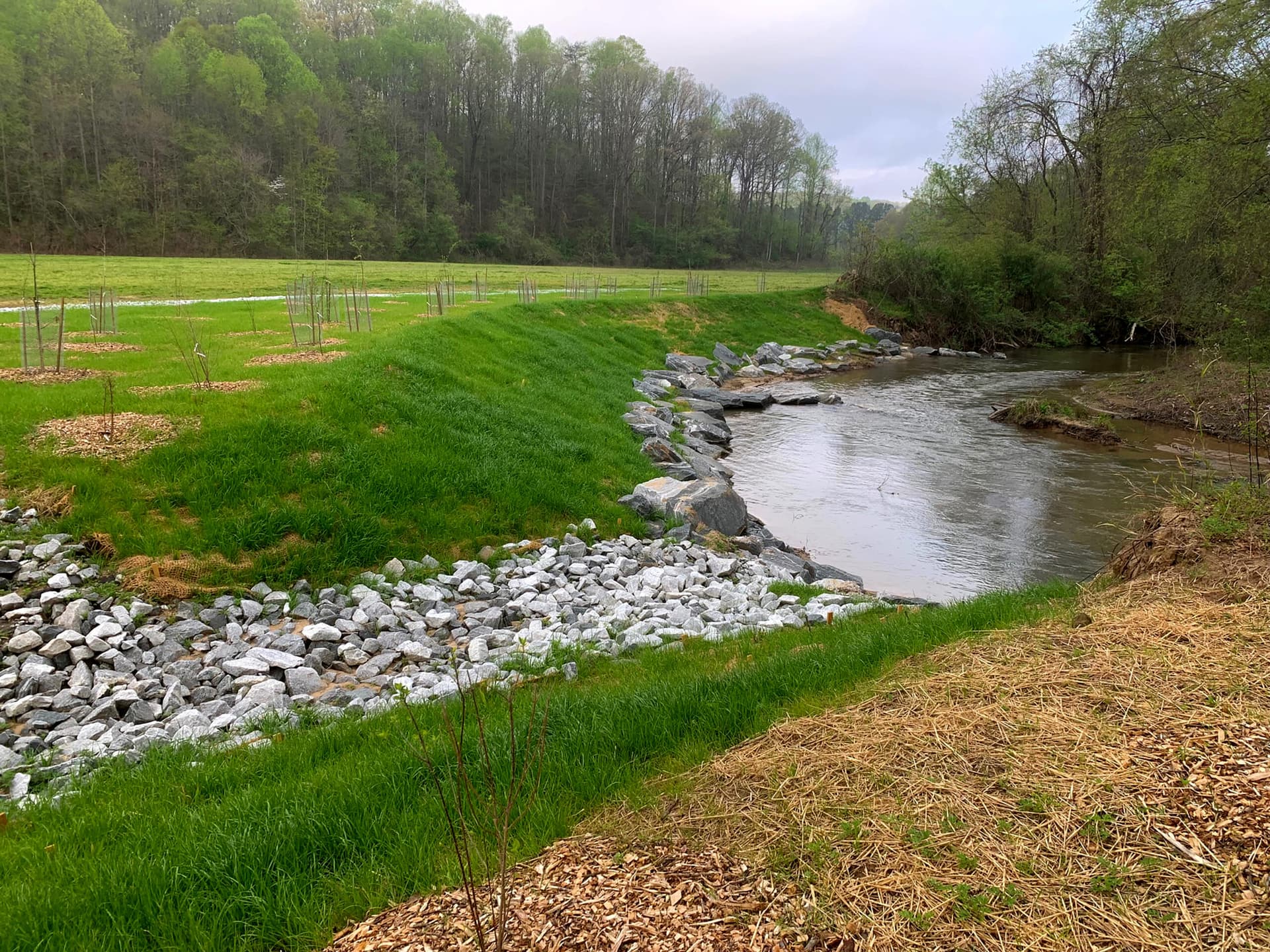
Land and water problems in Bamberg County rarely stay abstract for long. A washed-out edge of a field, a pond that needs vegetation control, or runoff cutting across a dirt road quickly becomes a farm issue, a timber issue, and a neighbor issue at the same time. The Bamberg Conservation District is built to handle exactly that kind of local pressure, with a county office, a monthly board meeting, and a set of programs that turn conservation into on-the-ground work.
Where the district is and who runs it
The district office is at 3828 Main Highway in Bamberg, and the board meets every first Monday of the month at 6:00 p.m. at the district office. That schedule matters because it gives farmers, timber owners, and rural residents a predictable place to bring concerns about drainage, erosion, pond conditions, or runoff before a small issue grows into a costly one.
The current district roster gives the office a concrete face. Kevin Sease is chairman, Johney L. Haralson is vice chairman, Joe Varn is treasurer, Landis A. Hiers and Steven Chassereau serve as commissioners, and Tiffany Gleaton is listed as district employee. Those names matter in a county where conservation is not an abstract program but a working board made up of people who know the land, the woods, and the farms around Bamberg.
Why conservation districts exist in South Carolina
South Carolina’s soil and water conservation districts have been around since 1937, and the state now has 46 of them, with district boundaries matching county lines. That county-by-county structure keeps the work local, which is important in places like Bamberg County where land use shifts from cropland to woodland to pasture over short distances.
The districts are subdivisions of state government, and by law they are responsible for initiating conservation activities rather than waiting for an outside agency to step in. Their purpose is broad but practical: promote the wise and responsible use of natural resources and develop programs that protect soil, water, farmland, woodland, wildlife, energy, riparian areas, and wetlands. In Bamberg County, that means the district is relevant not just to row-crop farmers, but also to timber owners, anglers, hunters, homeowners, and teachers who care about the county’s landscape and water quality.
Why Bamberg County needs the district
Bamberg County’s agricultural footprint helps explain why the district remains important. The county was founded in 1897 and has 13,311 residents, 393 square miles of land area, and municipalities that include Denmark, Ehrhardt, Govan, and Olar. The 2022 Census of Agriculture counted 260 farms here, with 102,313 acres in farms and an average farm size of 394 acres.
The county’s farm economy is still split between crops and animals. Crops made up 64% of agricultural sales in 2022, while livestock, poultry, and products accounted for 36%. Of the county’s land in farms, 54,370 acres were cropland, 4,229 acres were pastureland, 39,382 acres were woodland, and 4,332 acres were other land. Bamberg County also had 10,165 irrigated acres, about 10% of all land in farms, which makes water supply and water management part of the daily math for many producers.
The crop mix shows why that matters. In 2022, county producers reported 423 producers, and the leading crops by acreage included cotton at 12,454 acres, corn for grain at 8,776 acres, soybeans at 5,845 acres, peanuts at 3,746 acres, and forage at 3,654 acres. Those are crops that depend on workable soils, steady drainage, and land management that protects productivity year after year.
What the district does for landowners
The district’s work becomes tangible in its 2023 annual report. It says the district assisted with implementation of more than $1.7 million for conservation practices in Bamberg County, and that 38,624 acres were enrolled in conservation programs in the county, obligating more than $6.7 million for conservation practices. Those numbers show a small county office connecting landowners to real conservation spending and real acreage on the ground.
The district also provided geo-textile fabric for 19 conservation projects and sold seed blends to 25 landowners to complete Conservation Stewardship Program practices. That is the kind of help that matters when a ditch needs stabilization, a field edge is eroding, or a site needs vegetation that can hold soil and improve water flow. The work is practical by design, with materials and guidance aimed at solving specific land problems.
Some of the district’s strongest examples come from forestry and farm management. Commissioner Johney Haralson hosted a Master Tree Farmer course on his tree farm, where participants covered controlled burns, pesticide application, bobwhite quail habitat, pine straw harvesting, and pond vegetation control. The district also hosted a Drones in Agriculture presentation with Clemson Extension speakers Kendall Kirk and Curtis Erwin, showing that the district’s role now includes technology, precision farming, and modern land management as well as traditional soil and water conservation.
How the district fits into a larger support system
Bamberg’s district does not work alone. The South Carolina Division of Land, Water and Conservation says it develops and implements programs to study, manage, and conserve the state’s land and water resources, and that South Carolina’s 46 soil and water conservation districts receive staff, funding, and guidance through that division. Division staff work through the district network to provide technical assistance and other programs that help protect, use, and improve the state’s soil and water resources.
That wider system is part of the reason the Bamberg office can be useful to local landowners. The division also provides guidance through planning, research, technical assistance, public education, and a natural resources database. In practice, that means a Bamberg County landowner is not trying to solve a drainage or erosion problem in isolation. The district is a local doorway into a statewide structure that can connect a problem on one farm or one wooded tract to technical help and conservation planning.
South Carolina’s conservation partnership also includes local districts, SCDNR Conservation Districts, USDA-NRCS, and the South Carolina Association of Conservation Districts. USDA’s Natural Resources Conservation Service in South Carolina provides technical and financial assistance through voluntary conservation programs and Farm Bill programs, which adds another layer of help for farmers, ranchers, and forest landowners looking at erosion reduction, soil health, habitat work, or forestland protection.
How Bamberg County ties the whole system together
Clemson Extension’s Bamberg County office adds another local partner with a broad range of expertise in agribusiness, agronomy, food safety, nutrition, horticulture, livestock and forages, forestry and wildlife resources, rural health, water resources, and 4-H and youth development. That mix fits the district’s work well, because conservation in Bamberg County touches farms, family land, woodlots, ponds, youth programs, and rural communities all at once.
The district’s annual report also shows the public side of that partnership. Its youth programs reached more than 190,000 students statewide, and conservation education programs reached more than 2 million adults. Statewide, conservation districts leverage an average of $3.40 for every $1 in state appropriated funds, while NRCS Farm Bill programs brought more than $55 million to South Carolina private lands for conservation implementation in federal fiscal year 2023.
For Bamberg County, the value of the district is simple and immediate: it is the local board where land and water problems become practical work, backed by a county office, named commissioners, monthly meetings, and a statewide network that can help protect both livelihoods and the landscape.
This article was produced by Prism’s automated news system from verified source data, official records, and press releases, then run through automated quality and moderation checks before publishing. The system is built and supervised by the people who set the standards it runs under. Read our full AI policy.
Did this article answer your question?