Bamberg County District 2 page offers direct contact with Sharon Hammond
District 2 residents now have a direct route to Sharon Hammond for road, drainage, and service problems, plus a public meeting path that can push issues into council review.

District 2’s direct line into county government
A missed trash pickup, a washed-out ditch, a pothole that keeps growing, or a permit question does not have to sit in limbo in Bamberg County’s District 2. The district page gives residents a direct way to bring concerns, comments, or questions to Councilwoman Sharon Hammond, and it places that contact inside a broader public process that can move an issue from a single complaint to county review.
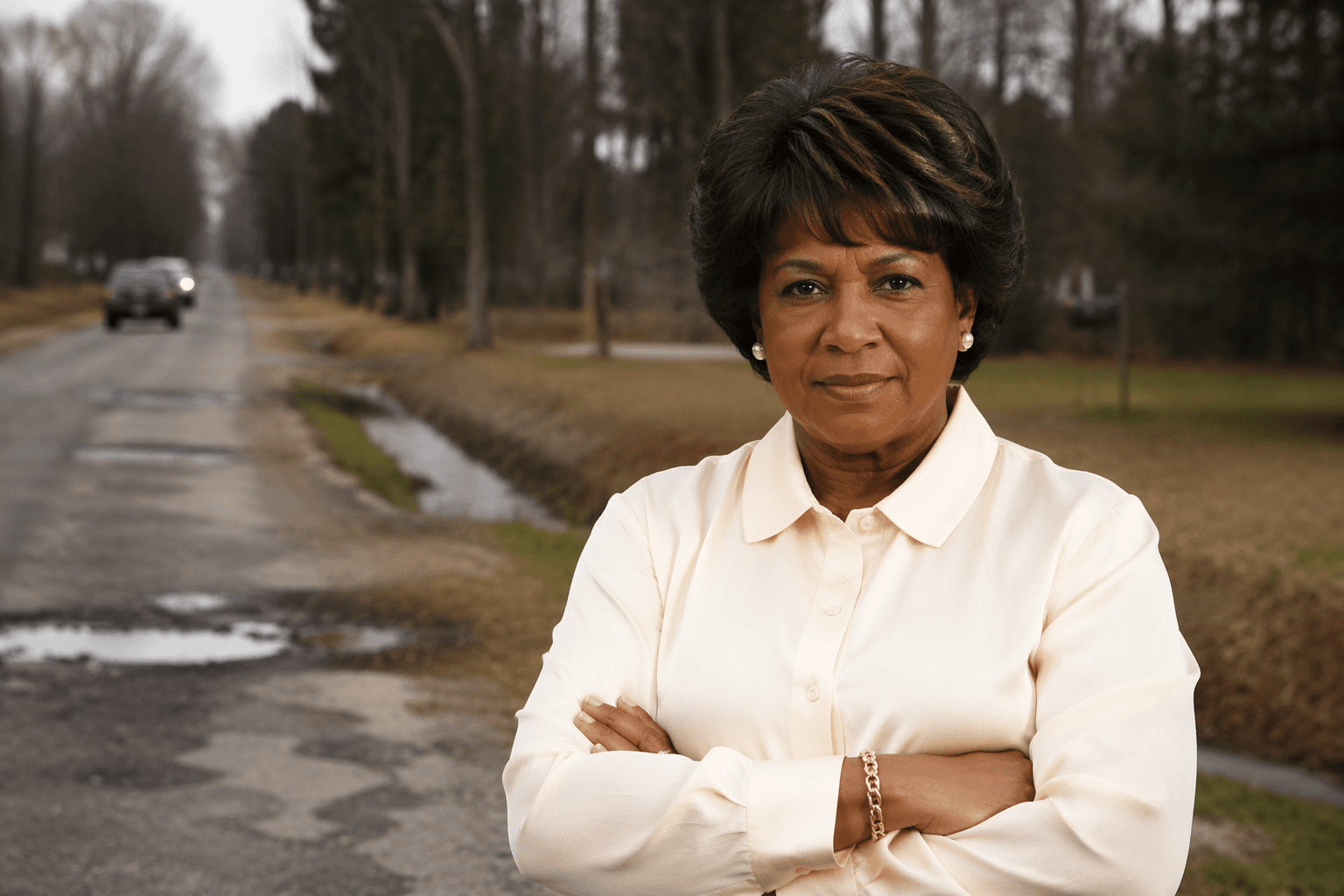
That matters because the problems that reach county council are often the ones people feel first in daily life: road conditions, drainage, code enforcement, public safety, office access, and service delivery. For rural residents especially, the value is practical. A local issue does not stay abstract for long when it becomes a flooded drive, a delayed inspection, or a street that never seems to get fixed.
Who represents District 2
Bamberg County is split into seven council districts, and each district has one representative. The county also says council members serve on different committees, which means a resident is not just reaching one elected official, but connecting to a wider governing structure that handles policy, staffing, infrastructure, and other county business.
For District 2, that contact is Sharon Hammond. Her official district page lists hammonds@bambergcounty.sc.gov, and it routes phone inquiries through Clerk to Council Rose Shepherd at (803) 245-5191 ext. 2103. Her mailing address is the Bamberg County Courthouse Annex, Isaiah Odom Building, 1234 North Street, Bamberg, SC 29003.
Hammond is not new to the county agenda. The county says she was first elected in August 2016 and most recently elected in November 2018. Her listed committee and civic roles include Personnel and Education, Health and Welfare, Intergovernmental Relations, and chairperson of the Lower Savannah Council of Governments Board of Directors. That mix tells residents something important: she is involved in both county operations and regional coordination.
What kinds of problems belong on the table
The District 2 contact page is most useful when residents use it for specific, local problems that need a county-level response. The clearest examples are the ones that directly affect everyday routines.
- Potholes, shoulder failures, and other road conditions
- Standing water, ditch issues, and drainage problems
- Trash collection or debris concerns
- Code enforcement complaints
- Public safety issues that cross into county responsibility
- Questions about county office access or delays in service
The county’s own mission statement helps explain why these topics belong there. Bamberg County says it aims to provide excellent infrastructure, safe communities, quality housing and healthcare options, and job opportunities. In that framework, a failed culvert or a blocked drainage ditch is not a small inconvenience. It is a governance issue tied to the county’s stated priorities.
How to raise an issue effectively
The most useful complaint is the one that is specific enough to act on. When you contact Hammond, identify the exact road, property, office, or service problem; describe when it started; and explain what changed. A short, direct message is often better than a broad complaint that forces staff to guess what needs attention.
The county’s public structure gives you more than one way to do that. You can email Hammond directly, call through the Clerk to Council, or bring the concern to a county council meeting. The District 2 page says residents can attend council meetings on the first Monday of each month at 6:30 p.m. unless otherwise noted. The county’s meeting-information page lists regular council meetings on the first Monday at 6:00 p.m. in the Council Chambers of the Bamberg County Courthouse Annex unless otherwise specified.
That difference makes the county’s posted agenda even more important. Bamberg County says agendas are posted 24 hours before each meeting, which gives residents a way to confirm the schedule and see whether their issue is likely to come up. If you are planning to speak, checking the agenda first can save a trip and help you prepare a concise, public comment.
What happens after a complaint is submitted
A complaint does not disappear into a private inbox. In Bamberg County, it enters a system that includes council committees, public meetings, and posted agendas. That matters because many local issues only move when they are seen in a public setting and tracked through the county’s regular business.
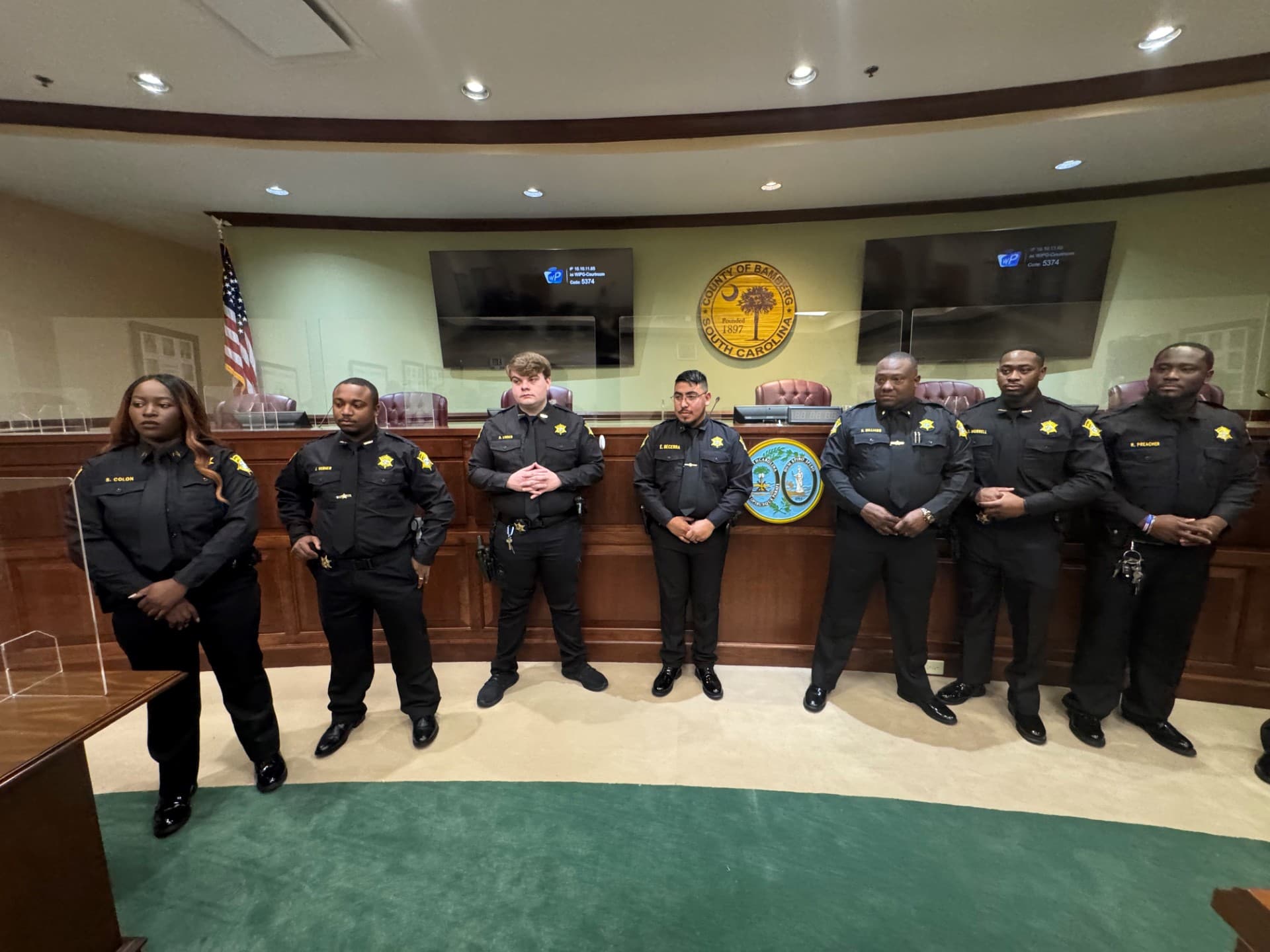
The council chamber itself gives a sense of that process. The county says the Council Chamber has a maximum occupancy of 105 people standing or 50 people seated. That is a small room by public-government standards, which means residents are not dealing with a distant institution. They are dealing with a chamber-sized process where a limited number of people can directly see how county business unfolds.
The county also shows that public comment can reach council in more than one form. A June 2, 2025 agenda accepted public comments on agenda items by email to info@bambergcounty.sc.gov by noon that day. County minutes from March 10, 2025 also record public comments during council proceedings. Taken together, those details show a government that already has a path for residents who want to be heard, whether they speak in person or submit comments in writing.
All regular meetings are open to the public except authorized executive sessions, so the default is access, not exclusion. For residents who have felt county government was hard to navigate, that is the key point: there is a standing schedule, a named council member, and a public record trail once an issue is raised.
Why Hammond’s page matters beyond District 2
Hammond’s record suggests she uses the council seat as more than a ceremonial post. In March 2018, she introduced a resolution during county council focused on women who fight discrimination against women, linking her role to National Women’s History Month. In January 2023, the county said she was sworn in for another four-year term by Probate Judge Donna B. Brown. And in April 2025, Bamberg County said she spoke at a Lower Savannah Council of Governments board meeting hosted by Bamberg County about senior care and emergency services.
That history helps explain why the District 2 page is more than a contact notice. It is a working access point into county decision-making, backed by a council system that handles committee work, public agendas, and resident comments. For District 2, the page is a reminder that local government is not only where policy gets written. It is also where a resident can begin the process of getting a road fixed, a drainage problem examined, or a service delay put on the record.
This article was produced by Prism’s automated news system from verified source data, official records, and press releases, then run through automated quality and moderation checks before publishing. The system is built and supervised by the people who set the standards it runs under. Read our full AI policy.
Did this article answer your question?