Bamberg County Emergency Services leads disaster planning, response and recovery
Tornadoes and floods have already hit Bamberg County hard. Tiffany Kemmerlin’s office and the free CodeRED system are the first tools families should use now.
The first call in a disaster
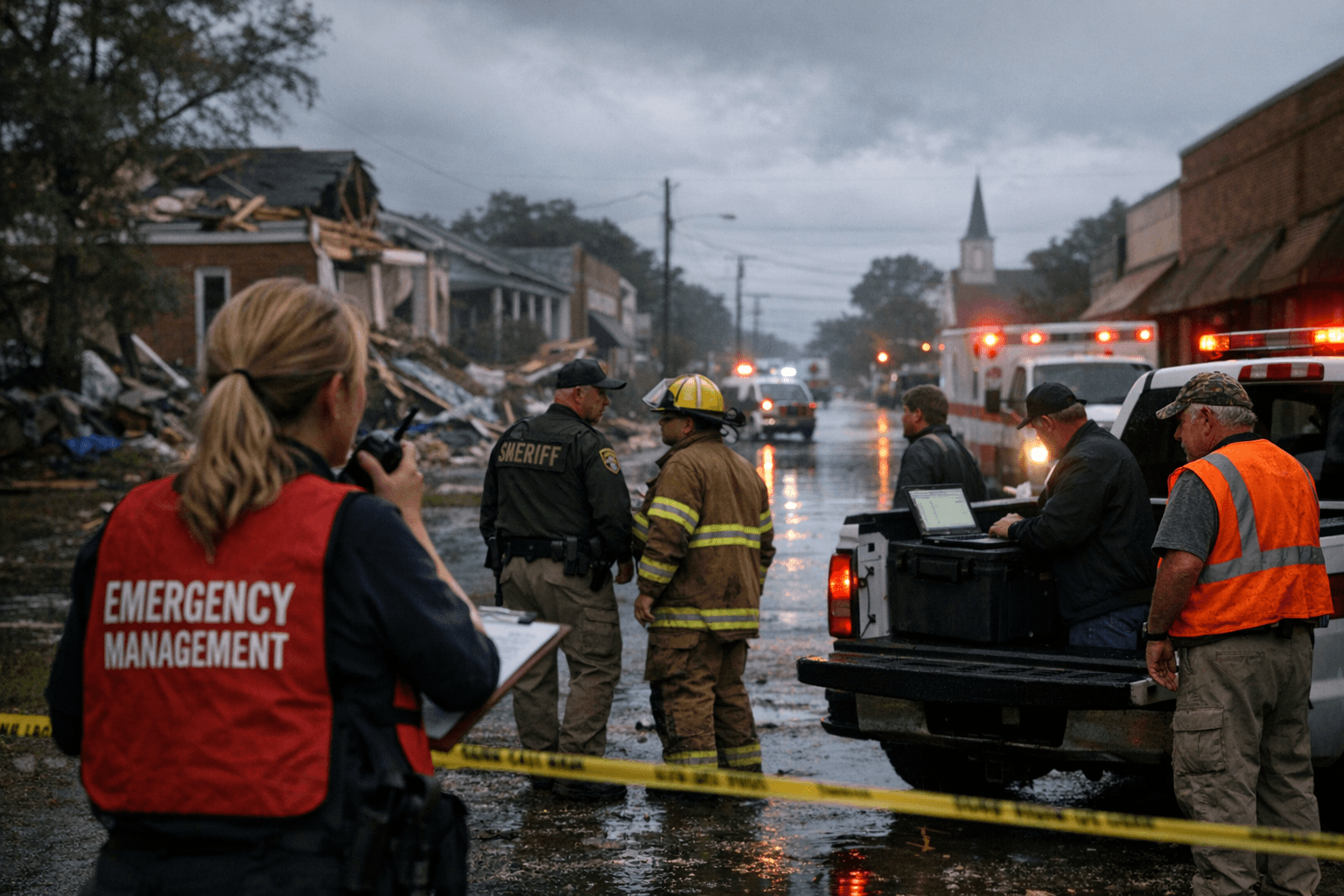
When a tornado tears through downtown Bamberg or flooding cuts off a rural road, Bamberg County Emergency Services becomes the county’s organizing center. Tiffany Kemmerlin leads the office from 2893 Main Hwy in Bamberg, and the mission is plain: help prevent the loss of life and property damage from natural and man-made disasters, then guide the county through recovery.
That role matters because the county has already lived through the kind of damage that turns planning into a daily necessity. In January 2024, an EF-2 tornado struck Bamberg County and left a deep scar, damaging or destroying dozens of homes, businesses and government buildings. The county said roughly 20 to 30 businesses were damaged and 10 were completely destroyed, including South Carolina Oak to Barrel, restaurants and storefronts, while the historic Old City Hall, the courthouse roof and City Hall were also hit. For a rural county, that is the kind of storm that can upend paychecks, school routines and access to basic services in a matter of minutes.
How Emergency Services holds the county together
Bamberg County describes Emergency Services as a countywide, multi-hazard disaster preparedness program, not just a response desk. The office works with federal, state, county and local agencies, volunteer organizations and the private sector so the county can prepare for, respond to and recover from emergencies more effectively. That coordination is the difference between isolated decisions and a unified county response when weather, roads and communications all start failing at once.
The county’s planning page says a formal plan helps create an integrated approach to disasters and reduces confusion, chaos and conflict by pre-defining roles for each response agency. That is especially important in a place where emergencies do not stop at one town line or one road. Residents in Bamberg, Denmark, Ehrhardt, Olar and Govan depend on countywide coordination because storms, evacuations and road closures can affect several communities at the same time.
Emergency Services also works across the full emergency-management cycle: mitigation to reduce risk, preparedness to plan ahead, response to manage the crisis, and recovery to help the county get back to normal operations. In practice, that means the office is involved long before sirens sound and long after debris crews leave.
Why planning is not optional in Bamberg County
Bamberg County’s Natural Hazard Mitigation Plan shows why the county treats disaster planning as a standing responsibility. The plan was prepared by the Lower Savannah Council of Governments on behalf of Bamberg County, and it reflects requirements that came with the Disaster Mitigation Act of 2000. The county’s planning covers tornado, hurricane and tropical storm, earthquake and flood hazards, which shows how broad the threat picture really is.
FEMA says communities with current mitigation plans are better positioned to understand hazards, develop mitigation strategies and remain eligible for certain non-emergency FEMA grants. That makes mitigation more than a paperwork exercise. It can affect how quickly a county recovers, how much damage is avoided the next time a storm hits and how much outside assistance remains available for long-term resilience.
Bamberg County has already seen that cycle repeat. After the January 2024 tornado, county and city buildings needed repairs and Highway 301 in downtown Bamberg was closed for a period while crews handled debris cleanup and structural work. Then, in October 2024, the county said it was still recovering from earlier storms when Hurricane Helene struck again. In January 2025, FEMA approved federal assistance for Bamberg, Calhoun and Orangeburg counties after severe flooding from November 6-14, 2024, another reminder that a single emergency rarely stays single for long.
What countywide coordination looks like on the ground
In Bamberg County, emergency management is built around partners, not silos. The county says Emergency Services works with federal, state and county agencies, local governments, volunteer organizations and the private sector. That structure matters when a storm damages roads, strains local government buildings and forces residents to make quick choices about evacuation or shelter.
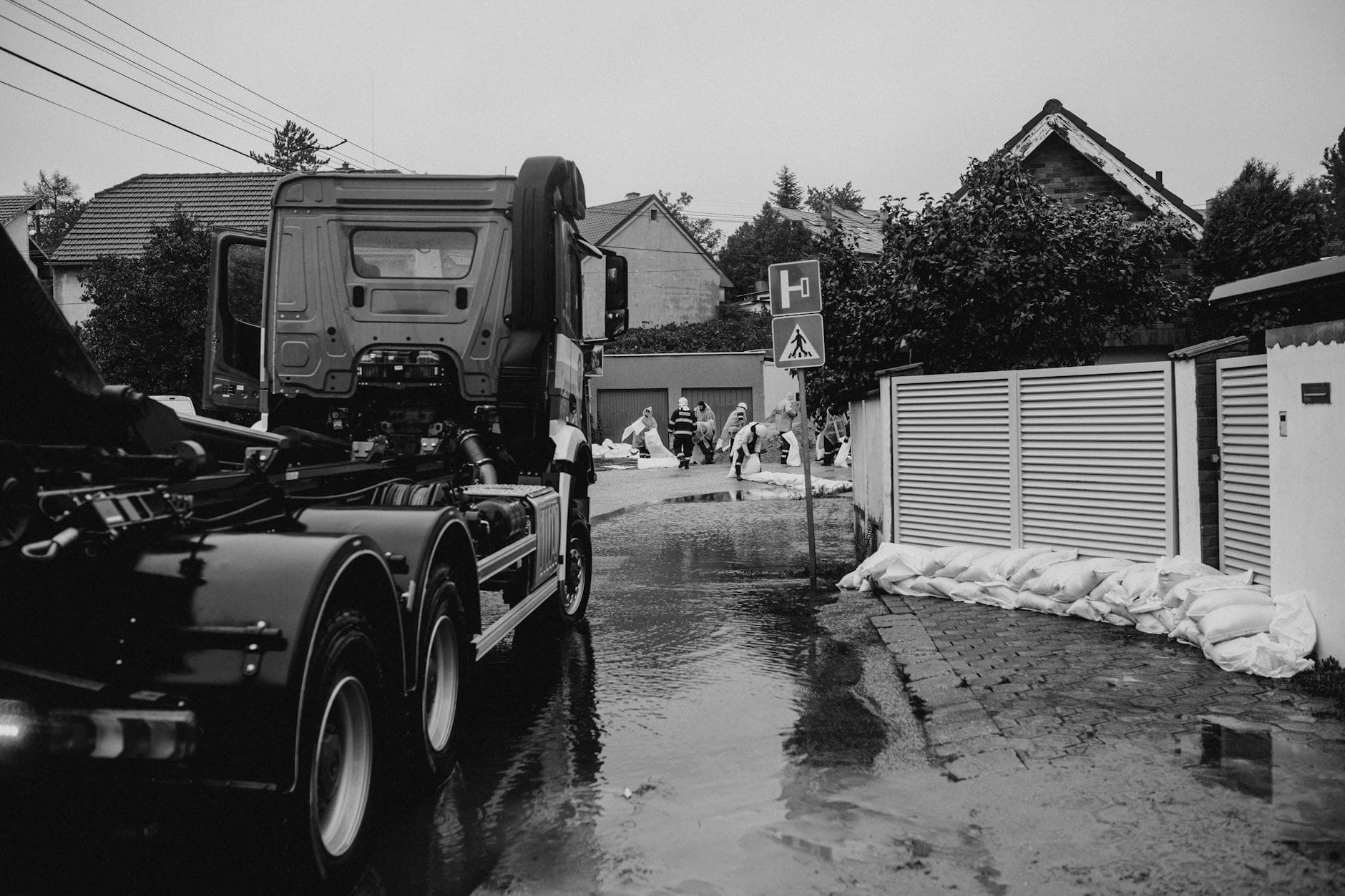
The public-facing side of that coordination is meant to keep information moving fast. The county operates a free CodeRED alert system that can send evacuation notices, missing-child alerts and weather warnings by phone, text, landline and email. In a county where some homes sit far from town centers and weather can shift quickly, those alerts are one of the most practical tools families can use.
What households should do today
The safest time to prepare is before the sky turns dark. Bamberg County’s emergency-management setup gives families a clear starting point:
- Sign up for the free CodeRED system and make sure every phone number, landline and email address in your household is current.
- Save the Emergency Services office number, (803) 245-3087, and keep the office location, 2893 Main Hwy in Bamberg, in your household records.
- Make a family plan for where you will go, how you will communicate and who will check on children, older relatives and neighbors if an evacuation notice comes.
- Pay attention to county alerts about road closures, especially in low-lying or storm-hit areas where travel can change fast.
- Review the hazards most likely to affect the county, especially tornadoes, hurricanes, tropical storms and flooding, so you are not starting from scratch when a warning is issued.
These steps are not abstract preparedness advice. They are the same kinds of decisions that can keep a household from being trapped by a sudden evacuation order or cut off by a washed-out roadway. In a county where one tornado damaged dozens of businesses and another flood period later drew federal assistance, the margin between disruption and survival can be very small.
The county’s emergency backbone is built for the long haul
Bamberg County Emergency Services is more than a department that reacts after the fact. It is the county’s operational backbone for planning, coordination and recovery, with Tiffany Kemmerlin at the center of that work and a system designed to connect residents to the right warnings at the right time. For households across Bamberg County, the most useful emergency plan is the one that is already in place before the next storm line, tornado warning or flood threat arrives.
This article was produced by Prism’s automated news system from verified source data, official records, and press releases, then run through automated quality and moderation checks before publishing. The system is built and supervised by the people who set the standards it runs under. Read our full AI policy.
Did this article answer your question?