Bamberg County explains building permits, zoning and flood rules
Before you build or move anything in Bamberg County, the permit file needs to be right the first time. Missed paperwork can delay inspections, trigger extra fees and stop a mobile home, remodel or solar job.
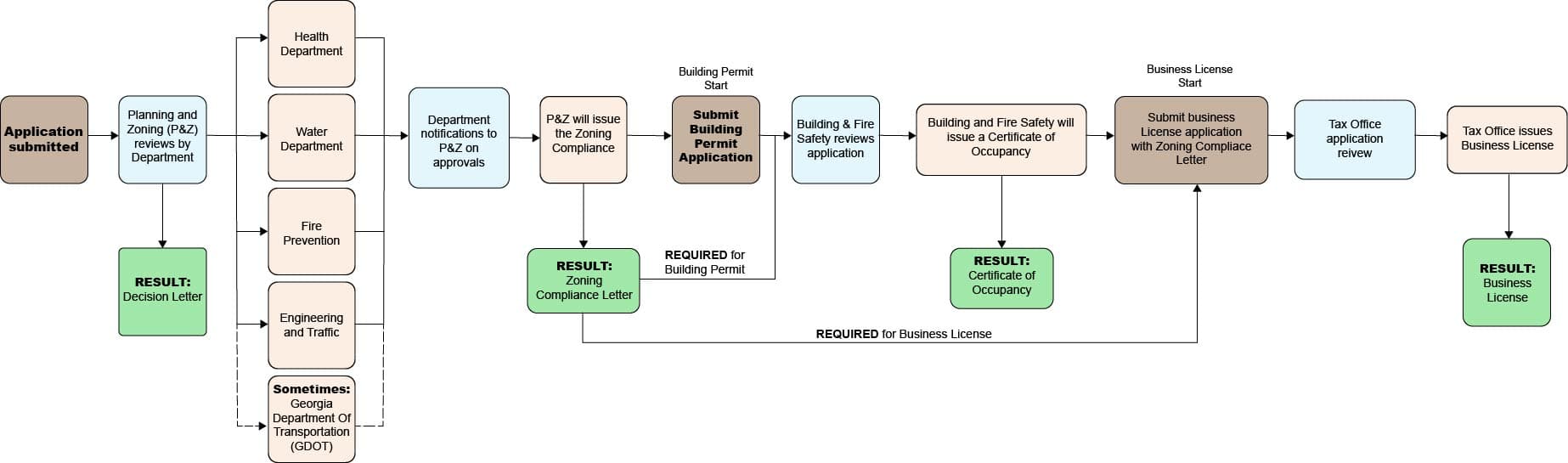
Before you pour a slab, replace a roof, move in a mobile home or mount solar panels in Bamberg County, the county wants the paperwork lined up before work begins. The safest first call is the Building Department at 803-245-3111, because inspections are usually handled within 24 hours and the permit rules can affect both your schedule and your bill.
How Bamberg County handles land use
Bamberg County does not treat zoning, construction and flood safety as separate chores. The Planning & Zoning Department administers the county’s land development regulations, zoning ordinance and flood plain ordinance, and it works with the Planning Commission and the Zoning Board of Appeals as part of the county’s land-use system. The comprehensive plan is updated every 10 years, and the 2020 plan sets the community’s vision for decision-making through 2030.
South Carolina law requires a local planning process and a comprehensive plan under the Comprehensive Planning Enabling Act. A project site is not just a building question; it is also a zoning question and, in some cases, a floodplain question. If you are unsure where a parcel stands, start with Planning & Zoning before you spend money on plans, grading or materials.
The building department is where most projects begin
The Building Inspection Department’s mission is to safeguard public health, safety and welfare through enforcement of the adopted codes. Bamberg County’s permit ordinance adopts major model codes, including the International Building Code, the International Residential Code, the National Electrical Code and other standards that shape how homes and improvements are built.
Do not start work before the permit is issued. Under a 2014 ordinance, work that begins before permit issuance can trigger a doubled fee. Permit cost is based on the value of construction, so even a small delay in filing can become expensive once labor and materials are already on site.
For many homeowners, the threshold question is whether the job needs a permit at all. Minor, non-structural repairs under $1,000 generally do not require one.
What the county wants for a house, addition or remodel
If you are building a new house, Bamberg County asks for two complete sets of foundation, floor, typical wall section and electrical plans. The county also wants water and sewer documentation from the town, or a DHEC septic tank system, before it treats the file as complete.
For additions and major remodels, if the work changes the structure, the footprint, the electrical layout or the way the building will be used, expect the county to want permit documents that show the scope clearly. If you are also supervising the work yourself, the county allows a homeowner to act as his or her own contractor when the owner or immediate family is doing the work and the owner will live in the home for two years after completion.
The permit requirement still applies. The county still expects the project to meet the adopted code and inspection standards that the Building Inspection Department enforces.
Mobile homes come with a separate checklist
Mobile homes are handled under their own rules because the county’s mobile-and-manufactured-home ordinance is aimed at the location and installation of those homes in unincorporated Bamberg County. The stated purpose is to keep the environment orderly, sound and healthy for occupants and to protect the general welfare of citizens.
For a mobile-home permit, Bamberg County requires a title or bill of sale plus DHEC septic documentation or a letter from a town providing water and sewer. If the home was bought used from an individual, the county also requires a moving permit from the assessor’s office and a paid tax receipt. Homes older than 1976 are not accepted.
A mobile-home move also triggers a tax step. If the home is moved within Bamberg County or only the name changes, the owner needs a clearance sheet for any back taxes. If it is moving out of the county, the owner needs a clearance sheet for back taxes and early tax payment from the Bamberg County Treasurer’s Office.
Solar projects need drawings, not just equipment
Residential solar permit applications require more than equipment. Bamberg County requires a structural design analysis of the existing roof, wind and seismic design, a panel layout that shows clearances, fastening design to the roof members and an electrical layout and schematic. The permit submittal also has to include the value of the work for both building and electrical permits.
The county’s rule is strict on changes after approval: solar work must be installed in accordance with the approved construction documents, and any change that does not comply must be resubmitted as amended documents.
The practical order of operations
For most residents, the sequence is simple. Call the Building Department first at 803-245-3111 if the question is whether a project needs a permit, when an inspection can happen or what documents belong in the file. If the site choice, setback, flood risk or land-use category is in doubt, start with Planning & Zoning, since it administers the county’s zoning and flood plain ordinances.
A complete application, the right tax and utility paperwork, and approval before construction can save days at the front end and prevent a doubled fee, a missed inspection or a rejected installation later on.
This article was produced by Prism’s automated news system from verified source data, official records, and press releases, then run through automated quality and moderation checks before publishing. The system is built and supervised by the people who set the standards it runs under. Read our full AI policy.
Did this article answer your question?