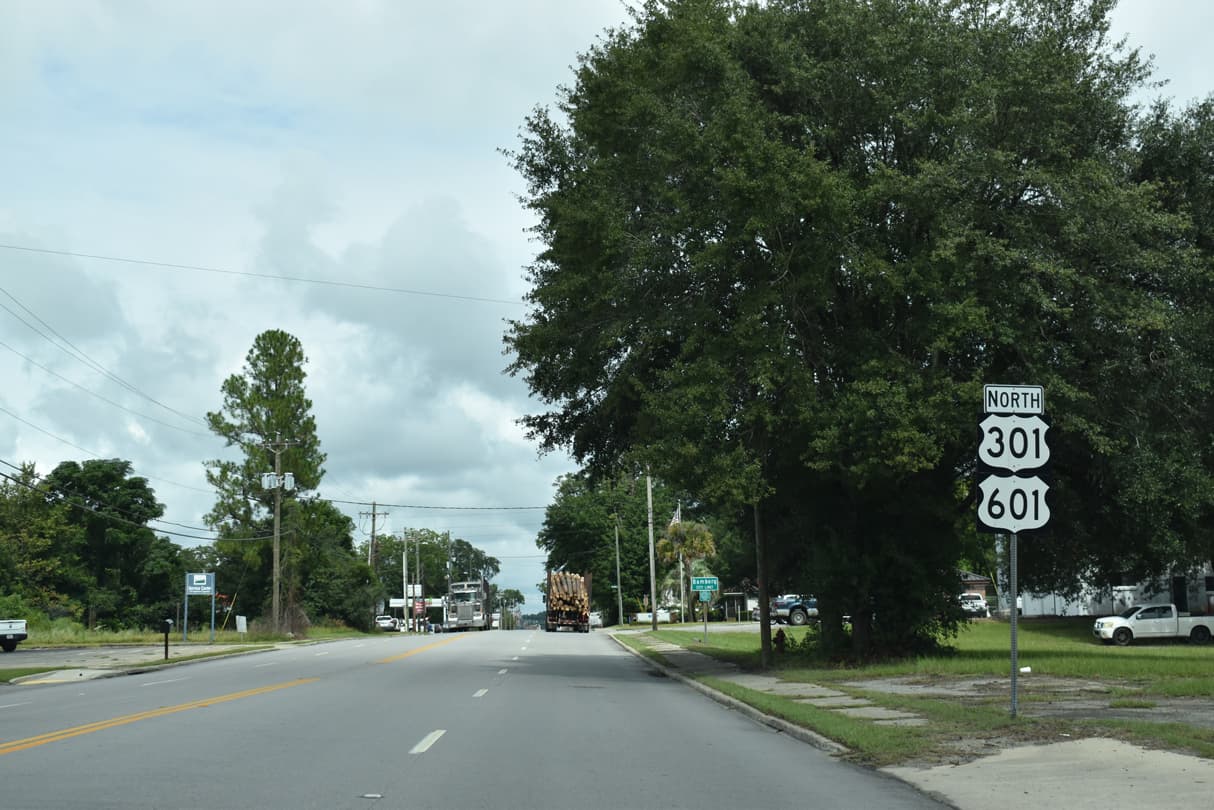
Bamberg County tax page links payments, offices and spending reports
Bamberg County’s tax page now doubles as a service map and a spending check, pointing residents to the right office, online payments and the county’s financial reports.

A one-stop tax map for residents
Bamberg County’s tax page does more than collect clicks. It gives residents a clear path to the offices that handle property questions, tax bills and delinquent accounts, while also linking them to the county’s financial reporting. That matters in a county where a missed step can mean a wasted trip, a delayed payment or a deeper problem once taxes move into delinquent status.
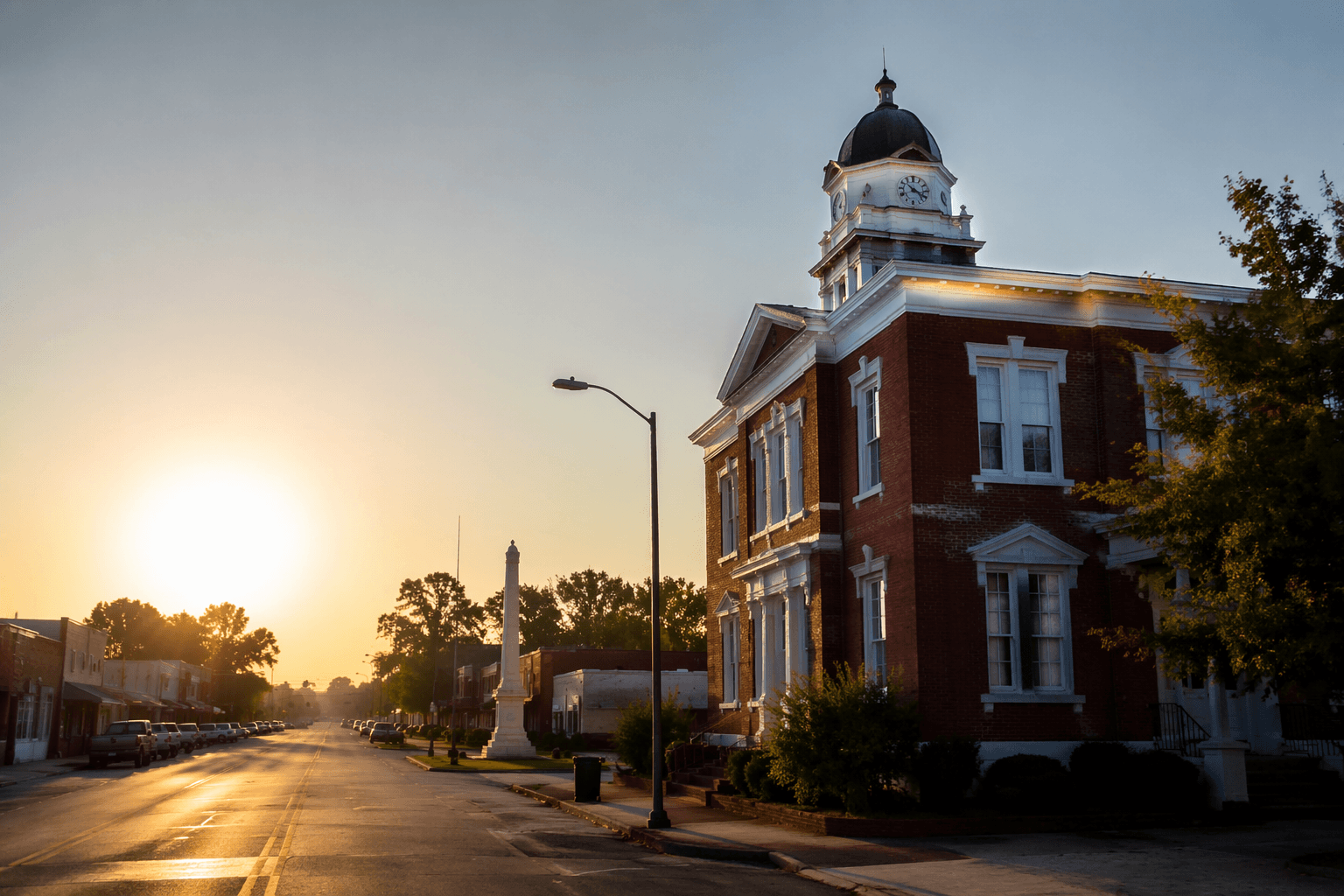
The page identifies the Tax Assessor’s Office, the Auditor’s Office and the Delinquent Tax Office as the main tax-service touchpoints for Bamberg County residents. It also points users to online tax payment options and adds a short video explaining how tax dollars are spent in Bamberg County. Taken together, the page frames tax collection as a public service with a paper trail, not just a bill arriving in the mail.
Which office handles which problem
The clearest practical value on the county site is that it separates the jobs instead of forcing residents to guess. The Bamberg County Assessor’s Office is where real property is located, listed and appraised, and where the annual certified assessment roll for ad valorem taxation is produced. The office also maintains deed sales, building permits and tax maps, reviews legal residence and agricultural special assessments, and represents the county in property tax appeals.
That office does not assess manufacturing or utility property, and it does not assess personal property such as cars or boats. The assessor page also notes that Bamberg County completed a reassessment of every property in the county in 2019, a reminder that valuation is not static and that property owners need to understand how county records affect what they owe. The page also lays out South Carolina assessment ratios, including 4 percent for a legal residence and certain agricultural property, and 6 percent for second homes and commercial property.
For taxpayers, that distinction matters. If the issue is how a parcel is valued, where a property is mapped, whether a residence qualifies for a special rate or how to challenge an assessment, the assessor page is the starting point. If the problem is a bill, payment or collection matter, the treasurer and delinquent-tax side of the system becomes the next stop.
How county money moves after payment
The Bamberg County Treasurer’s Office describes a system that extends well beyond taking in checks. It collects real, personal, motor vehicle and other taxes, then oversees their disbursement to county government, municipalities, schools and special taxing districts in Bamberg County. It also maintains records of revenues collected, invests deposits and tax collections to generate interest earnings, notifies taxpayers of taxes due, generates refund checks for overpayments and acts as paying agent for bond and other debt issues.
That is the quiet machinery behind the tax page’s transparency pitch. Residents are not just being asked to pay a bill. They are being shown that the county tracks revenue after it is received, distributes it to multiple public entities and uses finance systems that extend into debt service and investment income. For a county budget, that means every tax payment sits inside a much larger accounting structure.
The county’s Finance Department description fills in the administrative side. It is responsible for payroll, accounts payable management, preparing the annual budget and working with external auditors on the annual audit. It also handles grant accounting, which matters in a county where state and federal project money can influence roadwork, public safety and facilities.
What the county publishes about spending
The finance pages give residents a second layer of transparency. Bamberg County posts unaudited monthly financial reports by fiscal year, and the fiscal year runs from July 1 to June 30. It also posts year-end financial reports and annual audit summaries, including materials going back at least to FY13. That makes the county’s finance section one of the most useful public records hubs on the site for anyone trying to follow where tax money goes after it is collected.
The numbers show why those reports matter. In a June 2024 month-end budget report, the county said general-fund budgeted revenues for FY24 were $10,389,477 and actual general-fund revenues collected through June 2024 were $9,751,696, or 93.86 percent of budget. General-fund departments spent $9,881,088, or 95.11 percent of budget, leaving expenditures ahead of revenue by $129,392.
The same report showed special revenue funds for E911 and emergency management, road maintenance and rural fire service collected $964,477, or 78.76 percent of budget, and spent $1,159,470, or 94.69 percent of budget. The enterprise solid-waste fund collected $1,016,024, or 70.08 percent of budget, and spent $1,308,337, or 90.25 percent of budget. A February 2025 budget report showed those special revenue funds at $679,552 in revenue, or 44.32 percent of budget, with $522,567 in spending, or 34.08 percent of budget, through January.
The county’s reports make the basic political point plain: tax collection is only the first step. The harder questions are how much money comes in, whether departments spend on pace, and whether public safety, roads and solid waste stay aligned with revenue.
Where delinquent taxes become a public deadline
The delinquent-tax side of the system is where the county shifts from administration to enforcement. The Delinquent Tax Collector’s Office says it collects delinquent taxes payable to the county, school districts, municipalities and other political subdivisions. It also scheduled the 2025 delinquent tax sale for December 8, 2025, with properties to be advertised in the Bamberg Leader on November 17, November 24 and December 1, 2025.
That office also makes an important public-record point: website information is provided as a public service only and may be corrected or updated. It further says Bamberg County does not issue overage checks to a third party. For residents, that means delinquent-tax information should be treated as a working public reference, not a substitute for direct verification when a parcel is at risk.
Why the tax page is also an accountability page
The county’s broader budget politics show why this page has meaning beyond convenience. On June 27, 2025, Bamberg County Council approved the FY25-26 budget by a 6-1 vote after removing an EMS millage increase that would have funded a Quick Response Vehicle resource station in Ehrhardt. Residents there publicly opposed the increase during the budget hearing, and county officials said the adopted budget would support the Public Works Department, the Sheriff’s Office and the Detention Center.
That context gives the tax page its real civic value. It is not just a directory. It is the front door to the county’s tax machinery, its spending reports and its budget disputes. For Bamberg County residents, the page makes it easier to see which office handles which problem, how to pay without an extra trip, and where to look when the question shifts from what is due to how the county spends what it collects.
This article was produced by Prism’s automated news system from verified source data, official records, and press releases, then run through automated quality and moderation checks before publishing. The system is built and supervised by the people who set the standards it runs under. Read our full AI policy.
Know something we missed? Have a correction or additional information?
Submit a Tip