Bamberg lawmaker sparks debate as South Carolina Sharia ban advances
Jerry Govan challenged whether South Carolina needs a Sharia-ban bill at all as H.4671 moved forward. The debate exposed a gap between symbolic legislation and any specific local legal conflict.
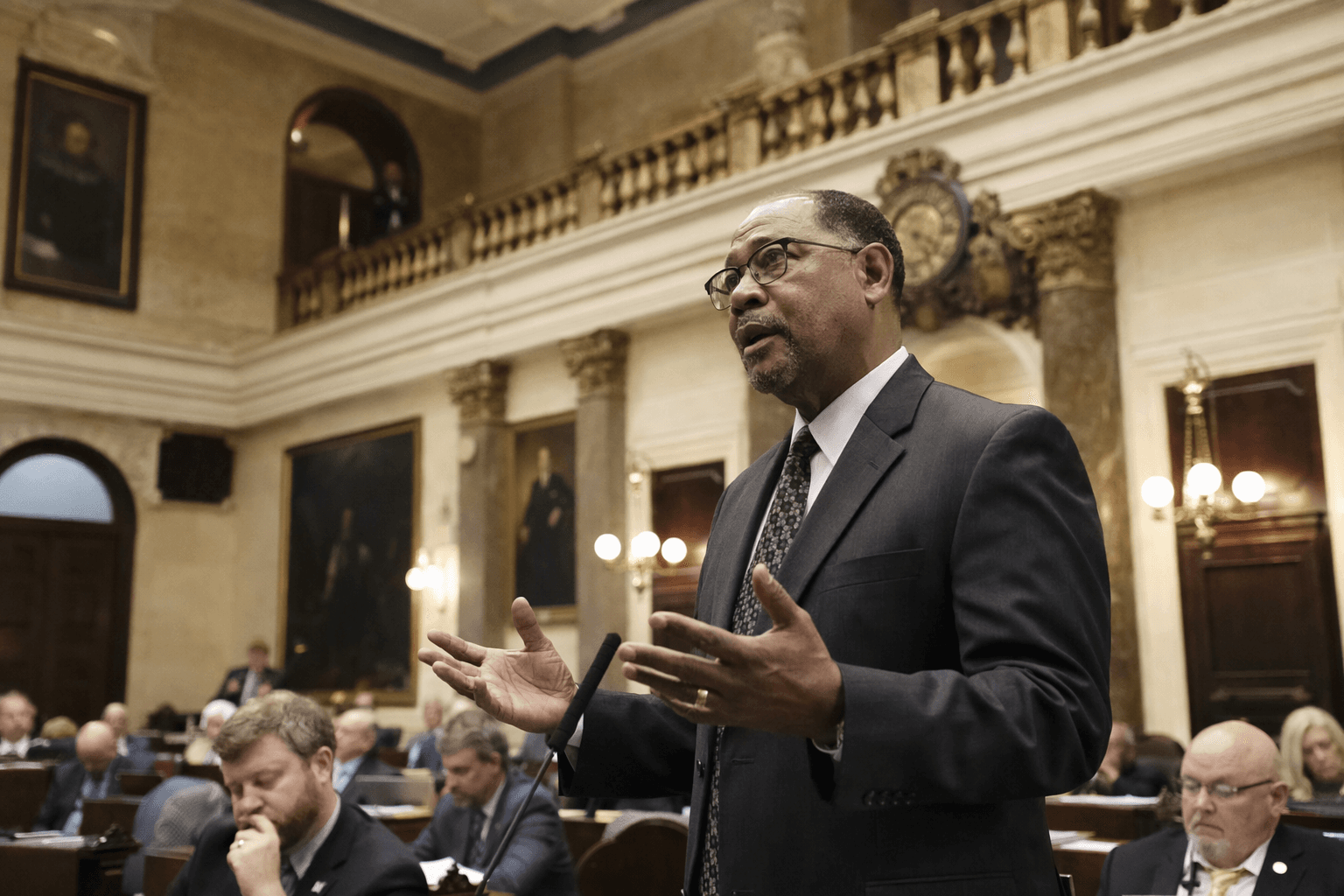
Jerry Govan, the Bamberg lawmaker on the House Judiciary Committee, pressed the central question behind H.4671: what real South Carolina problem would this bill solve? As the measure advanced with an amendment, the District 91 representative from Denmark argued that lawmakers were missing larger civil-rights issues, a line of questioning that triggered pushback from supporters and activists in the room.
H.4671, titled Protection of Rights granted by the U.S. and S.C. Constitutions, was prefiled Dec. 16, 2025, introduced in the House on Jan. 13, 2026, and sent the same day to the South Carolina House Judiciary Committee. The bill does not name Sharia law in the text. Instead, it would add a new article to state law allowing courts and enforcement authorities to reject a foreign law, legal code or system only when its application would violate rights guaranteed by the U.S. or South Carolina constitutions, including due process, freedom of religion, speech, press, privacy or marriage rights.
The bill defines foreign law broadly enough to cover jurisdictions outside any U.S. state or territory, including international organizations and tribunals. Sponsor support also kept growing as the session moved forward, with additions recorded on Jan. 14, Mar. 4, Mar. 31, Apr. 23 and May 6, 2026. Named backers included Bill Edgerton, Josiah Magnuson, John McCravy, Leon Lott and Dan Johnson.
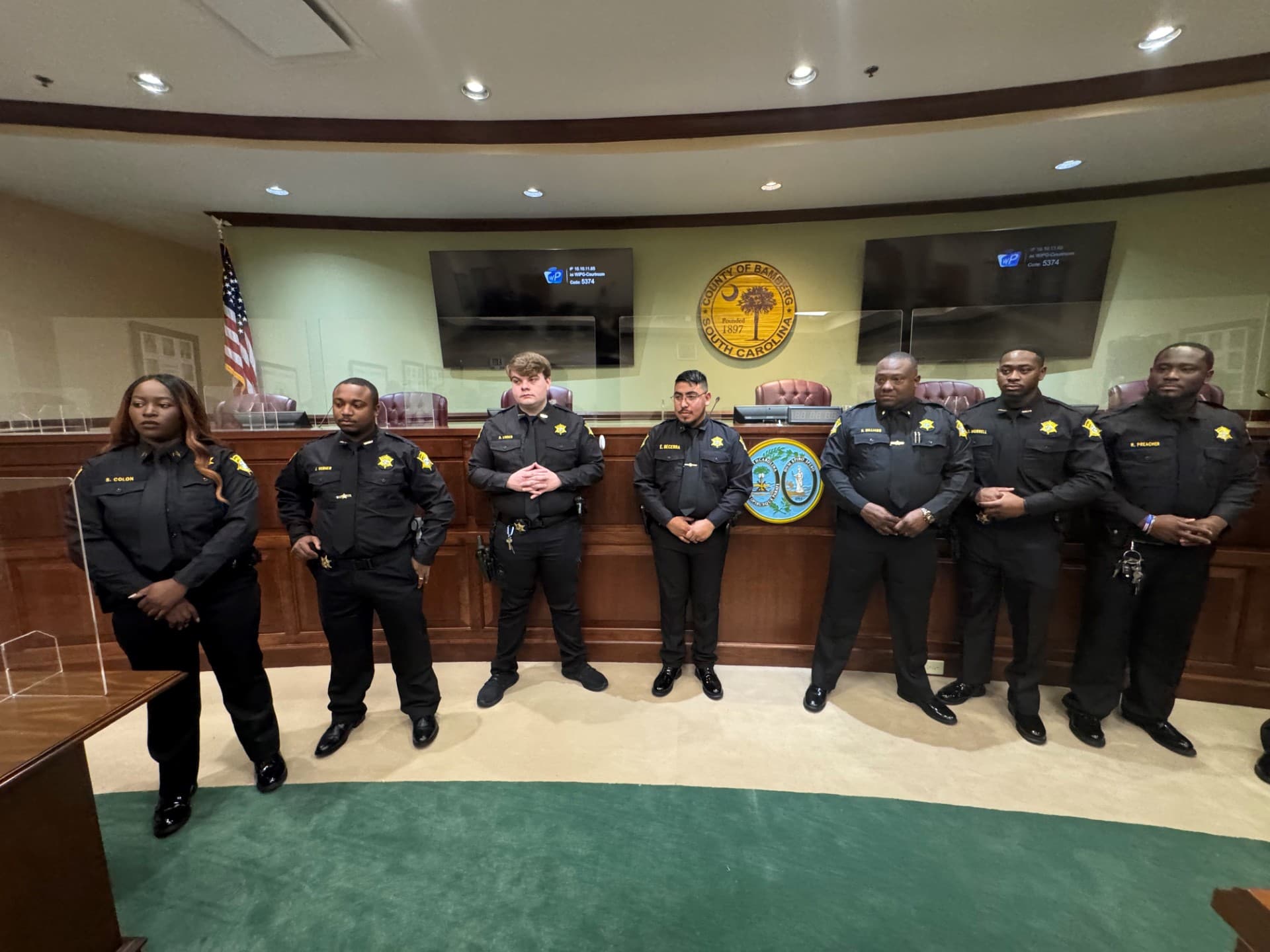
The dispute landed close to home in Bamberg County, where the 2020 Census counted 13,311 residents and showed the county as 58.0% Black alone and 38.7% White alone. In Denmark, where Govan represents voters, the population was 3,186 in the 2020 Census and the 2024 median household income was $27,451. That makes the statehouse fight feel less abstract than it might in Columbia: a county lawmaker was weighing whether a bill framed as constitutional protection was actually aimed at a problem South Carolina has seen in its courts.
Opponents of similar anti-Sharia proposals have argued that they unfairly target Muslims and can burden religious freedom even when no one has tried to impose Sharia in court. The Associated Press has reported that criticism in North Dakota, and the Council on American-Islamic Relations says the anti-Sharia push surged in the early 2010s, when lawmakers in at least 32 states introduced such measures between 2010 and 2012.
That history hangs over H.4671 as it moves through committee. The debate in Columbia was not just about foreign law; it was about whether South Carolina needs another state-level declaration at all, or whether lawmakers are once again writing symbolic policy without showing a concrete legal conflict on the ground.
This article was produced by Prism’s automated news system from verified source data, official records, and press releases, then run through automated quality and moderation checks before publishing. The system is built and supervised by the people who set the standards it runs under. Read our full AI policy.
Did this article answer your question?