Bamberg serves as county hub for services and economic growth
Bamberg is the county’s practical front door, where residents can handle core services, civic business, and aging support in one trip. Its growth pitch is tied to that same role.
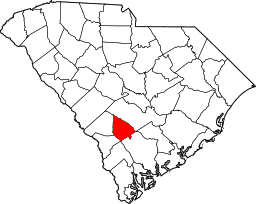
Bamberg is more than the county seat on a map. It is where Bamberg County residents go to handle the business of daily life, from county offices and health services to aging support, records, and civic information. That concentration makes the city the county’s practical front door, and it also sets the standard for how well local government works for the people who depend on it.
A county seat built around everyday needs
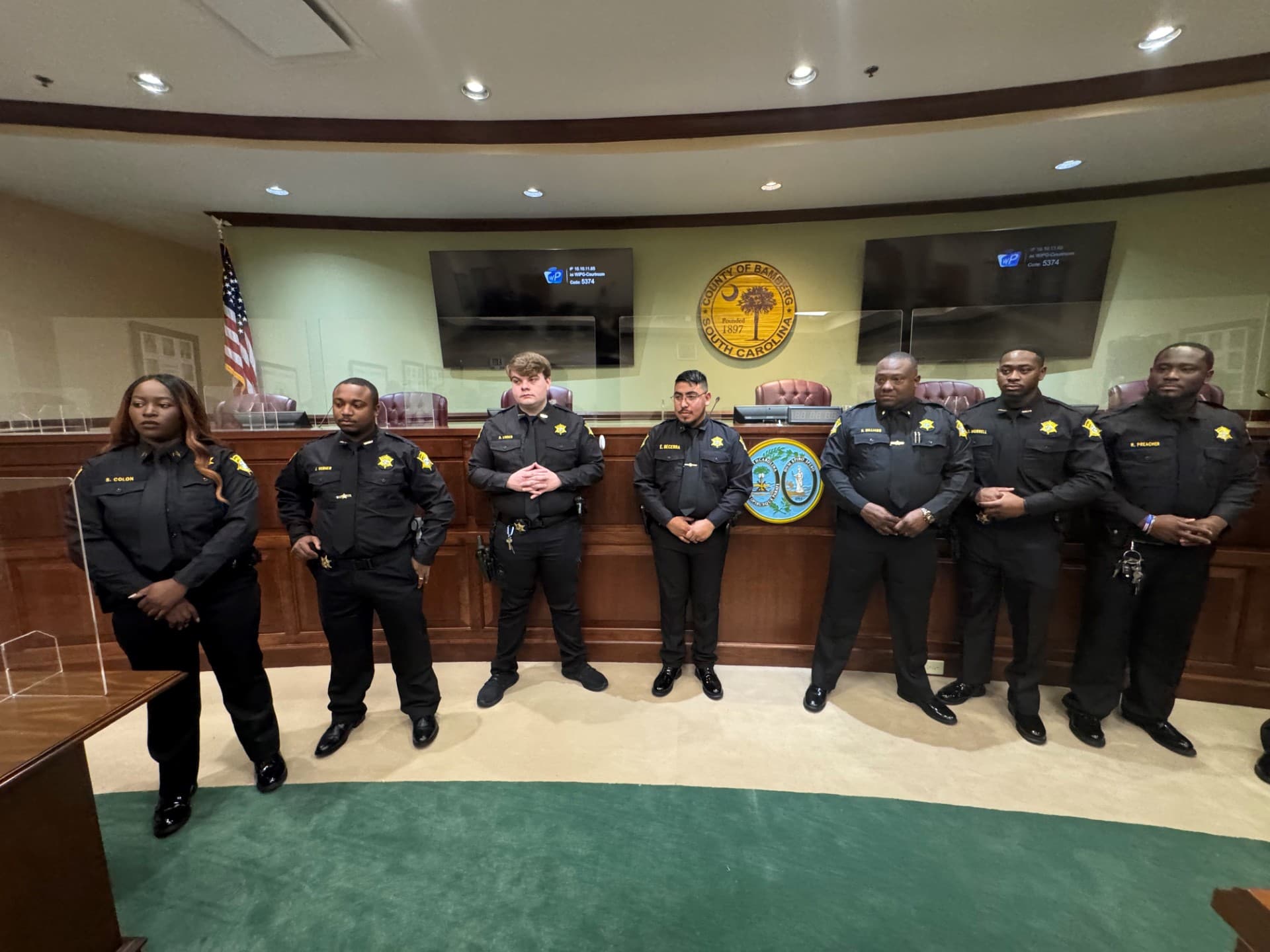
The city’s own description of Bamberg as a hub for government, public services, and activities is backed up by what is physically and administratively centered there. The county administrative offices are in Bamberg, along with the Bamberg County Library, the Bamberg County Health Department, the Bamberg County Office on Aging Thomas N. Rhoad Center, the County Historic Society, and the Bamberg County Economic Development Commission. For residents trying to complete several errands in one trip, that matters. It means county business, information, and public services are not scattered far and wide; they are concentrated in one place.
That concentration also reveals where the system works best and where it can still feel cumbersome. The county website points residents to tax payment, voter registration, and county council agendas and minutes, which helps people start online before they ever drive into town. But once someone arrives in Bamberg, the experience still depends on knowing which office handles which task. A health matter, a records question, an aging-service need, and an economic-development issue do not all land in the same place, so the county seat functions best when the path is clear.
What residents can do in a single trip
For people who plan ahead, Bamberg can serve as a one-stop stop for multiple essential errands:
- County administrative business at the county offices
- Library visits at the Bamberg County Library
- Public health matters at the Bamberg County Health Department
- Meals and transportation support through the Bamberg County Office on Aging Thomas N. Rhoad Center
- Local history and civic memory through the County Historic Society
- Business and growth questions through the Bamberg County Economic Development Commission
That mix shows why Bamberg is not just the seat of county government. It is also the place where residents can connect with the systems that shape public life, especially in a rural county where long drives can make every extra stop matter. The county’s mission statement reinforces that expectation, describing a financially stable and fiscally responsible government that uses technology, communication, and ingenuity to provide services. In practical terms, that means the county is supposed to make access easier, not harder.
The Bamberg County Office on Aging is especially important in that service network. The agency says it has served the county since 1975 and provides meals and transportation services. In a county where older residents make up a large share of the population, those are not side programs. They are core civic infrastructure, helping people stay connected to food, appointments, and community life.
A growth strategy tied to public access
Bamberg’s role as a service center is now paired with an explicit economic-development message. The city says it is open for business and has completed a retail and marketing analysis, supported by a SouthernCarolina Alliance grant, to help bring more businesses to town. The county’s own website promotes the BeBamberg campaign, a marketing effort led by SouthernCarolina Alliance that aims to strengthen community pride and present Bamberg County as a place to live, work, and do business.
That campaign is broad by design. It highlights local accomplishments, industries, small businesses, services, nonprofits, artists, artisans, history, natural assets, and special events. The point is not just to attract outside attention. It is to connect economic development to the everyday life of the county, where public services, downtown activity, and community identity all feed one another.
Recent investment news shows that pitch has real weight. Circular Composite Solutions has announced a $53.7 million investment in Bamberg County and expects to create 70 jobs. The company framed the project as a step toward renewed economic opportunity, which gives the county’s marketing push a concrete anchor. When a county seat is trying to function as both a service center and a growth engine, investments like that matter because they test whether local infrastructure, public services, and business outreach are aligned.
A town shaped by rail, land, and county formation
Bamberg’s present-day role is rooted in a long history of movement and connection. The city history page traces the town site to a deed filed in 1852, and South Carolina Public Radio’s history summary says the town began around 1832 with a water tower built by the South Carolina Canal and Rail Road Company. That rail origin still echoes in the old place names, including Seventy-Six, Simmon’s Turnout, and Lowery’s Turnout, before the town was incorporated in 1855 and named for William Seaborn Bamberg.
By 1860, Bamberg had about 250 residents, and the depot was the center of town life. Railroad Avenue still carries that history in its name. A city history page describes the depot as the mecca of all people at train time, a phrase that captures how transportation once organized the town and still helps explain why Bamberg became the natural county hub.
The county’s own history page adds another layer. Bamberg County, and the county seat itself, were named for William Seaborn Bamberg, who lived from 1820 to 1858, along with other members of the Bamberg family. The county was formed from Barnwell County in 1897, marking a shift in local governance that eventually placed the county seat squarely in Bamberg. That history matters because it shows the city’s central role was not accidental. It grew out of landholding, rail development, and county formation.
A small county with big service demands
The numbers help explain why Bamberg’s role still matters so much. The county’s population estimate was 12,796 on July 1, 2025, down from 13,311 in the 2020 census. U.S. Census Bureau estimates also show that 24.4 percent of residents were age 65 or older in the 2020 to 2024 period. In a county that old, rural, and compact, a central place for health care, aging services, public meetings, and basic government tasks is not a convenience. It is essential.
Retail activity is part of that picture too. Census Bureau data show Bamberg County had $106,703,000 in retail sales in 2022. That figure may be modest compared with larger counties, but it still represents the commercial life that keeps a county seat relevant. The city’s economic-development work, the county’s service mission, and the aging network all sit inside that same small local economy.
The deeper story is that Bamberg still has to do what county seats are supposed to do best: make government legible, reachable, and useful. For residents, newcomers, and visitors, that means a place where civic business, public services, and community life can be found without a long hunt. Bamberg’s strength is that it already does much of that work. Its test is whether it keeps doing it clearly, efficiently, and for everyone who needs the county’s front door.
This article was produced by Prism’s automated news system from verified source data, official records, and press releases, then run through automated quality and moderation checks before publishing. The system is built and supervised by the people who set the standards it runs under. Read our full AI policy.
Did this article answer your question?