Clemson workshop in Bamberg offers pond management guidance for owners
Bamberg pond owners got guidance on stopping weeds, fish kills and algae before they spread. Clemson Extension pointed them to Molly Jones for site-specific help.
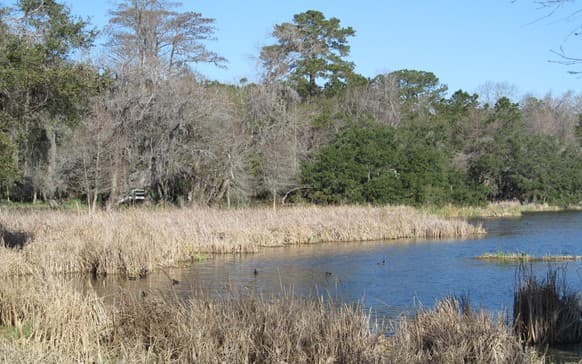
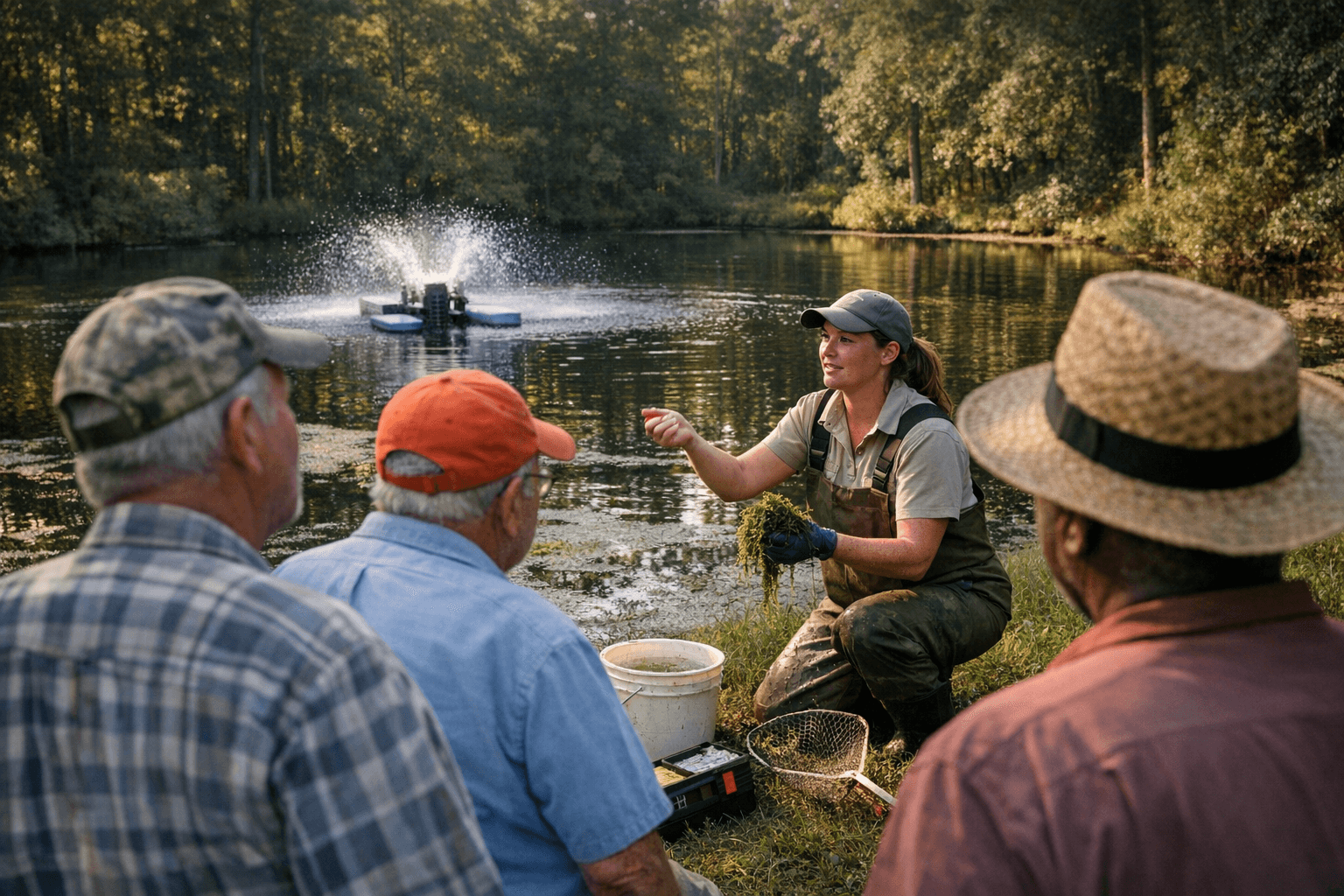
A pond that turns green, grows weeds or loses fish can become a costly headache fast, especially on rural property where water also supports livestock, irrigation and recreation. Clemson University’s Cooperative Extension Water Resources team addressed those problems at the Bamberg County Clemson Extension office, 847 Calhoun St. in Bamberg, during a Recreational Pond Management Workshop on Friday, April 10.
The three-hour session covered aquatic weed control, aquatic weed identification, fisheries management and other Clemson resources for private pond owners and managers. Molly Jones, Clemson’s Area Water Resources Agent for a region that includes Bamberg, Allendale, Barnwell, Colleton, Dorchester, Jasper, Beaufort, Aiken and Edgefield counties, was listed as the contact for the workshop at mjone35@clemson.edu and 843-800-0827.
For Bamberg County, the training landed in a place where pond management is not abstract. The county had an estimated population of 12,870 as of July 1, 2024, and USDA profile data show tens of thousands of acres in cropland, pasture and woodland, along with 10,165 irrigated acres. In a county where farms, fish ponds and small recreational lakes overlap, the wrong herbicide choice, poor stocking decision or missed algae bloom can affect property value, outdoor use and agricultural operations.
The practical lessons centered on simple decisions that matter. Owners were urged to identify weeds before treating them, because mechanical, chemical and biological controls do not fit every pond. They also got fisheries basics, including stocking rates and the predator-prey balance that keeps fish populations stable. Clemson materials commonly distributed through the program include publications on pond weeds and harmful algal blooms, along with guidance on sample collection and diagnosis when water turns suspiciously green or scummy.
Harmful algal blooms drew particular attention because they can threaten people, pets, livestock and fish. Clemson Extension and state partners advise owners to avoid contact with suspected blooms, keep animals away and submit samples for diagnosis. South Carolina’s Department of Health and Environmental Control and the SC HAB Network also provide reporting guidance for suspected blooms.
The workshop was part of Clemson’s broader Master Pond Manager program, which has been offered as a hybrid certificate track and can qualify for pesticide recertification credit through state-approved training. For Bamberg landowners who missed the session, the next call to make is still the same one: Clemson Extension, where Jones and the Water Resources team can help match the problem in the pond to the right fix.
This article was produced by Prism’s automated news system from verified source data, official records, and press releases, then run through automated quality and moderation checks before publishing. The system is built and supervised by the people who set the standards it runs under. Read our full AI policy.
Did this article answer your question?

