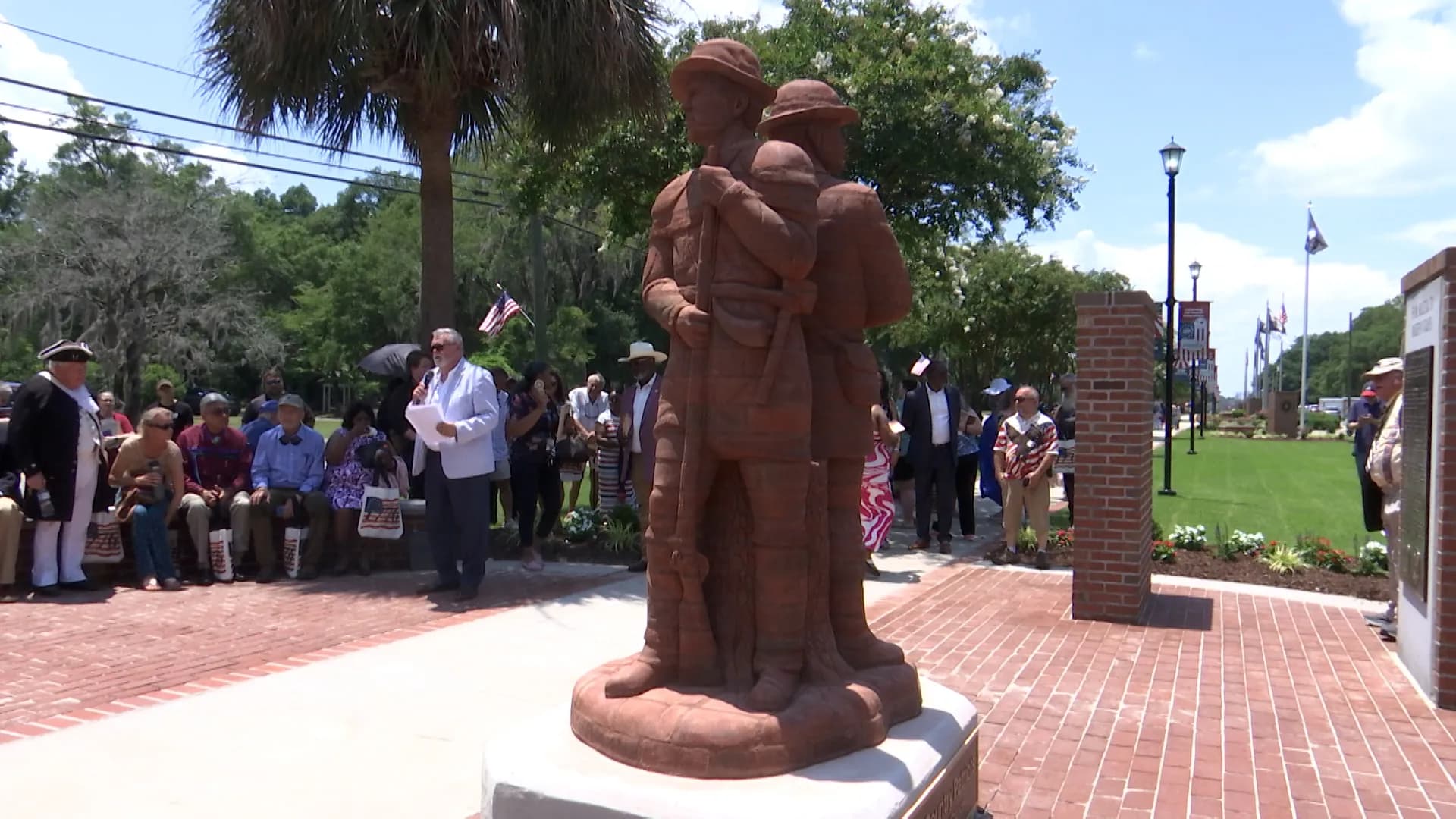
Ehrhardt Schuetzenfest blends German heritage, music and community tradition
Ehrhardt’s free Schuetzenfest still turns a small town into a full-day gathering of parade crowds, cruise-in cars and live music. The 2026 schedule shows why it remains a Bamberg County fixture.
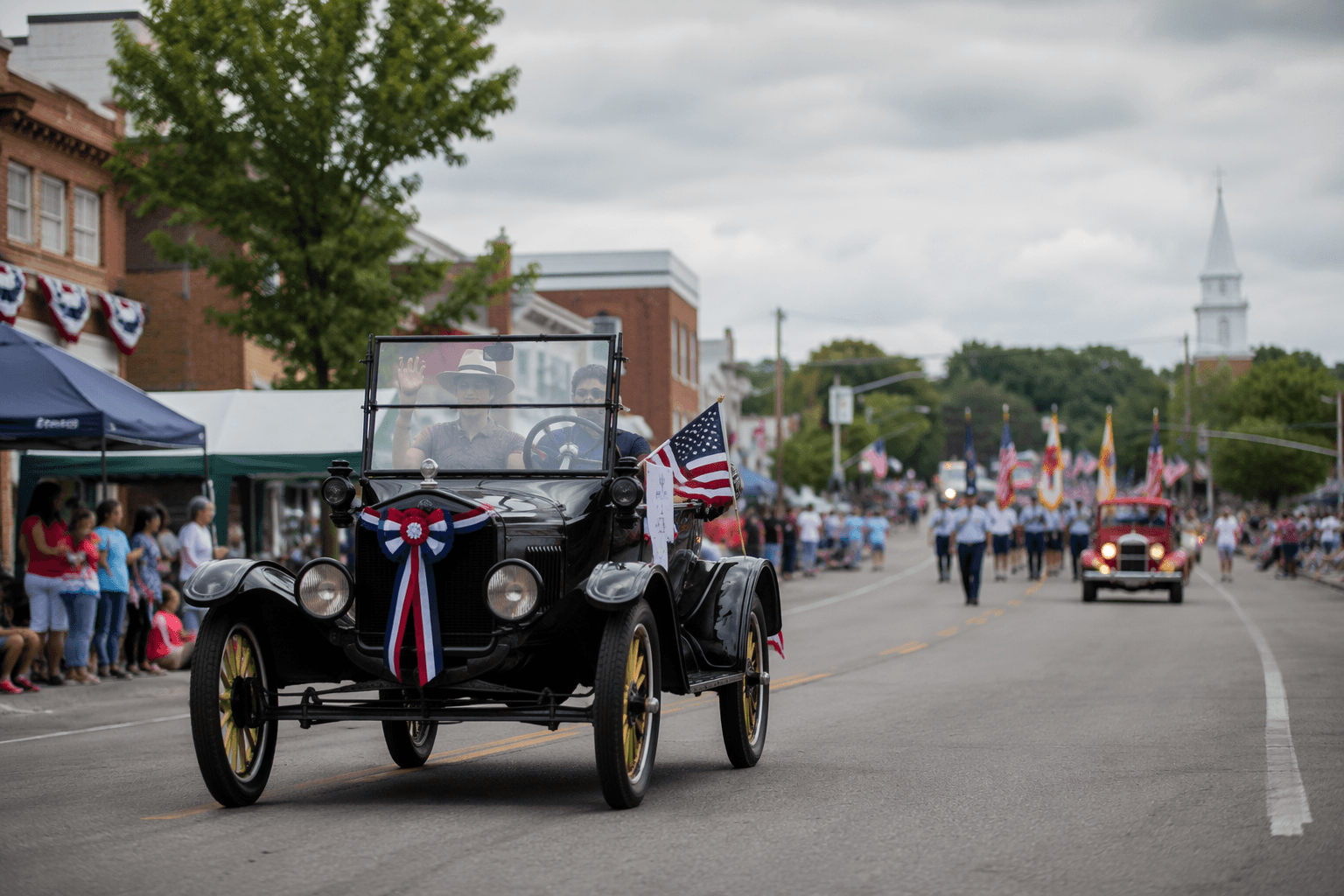
Ehrhardt’s Schuetzenfest still works as a small-town survival story: a free, all-day gathering at the Broxton Bridge Hwy and Broadway St junction that pulls together a parade, a car cruise-in and live music in one place. The 2026 schedule runs from 10 a.m. to 10 p.m., with enough structure to draw visitors and enough local character to keep the event rooted in Ehrhardt itself.
A day built around parade, cars and music
The 2026 Ehrhardt Schuetzenfest All-Star Music Fest is set for March 28 from 10:00 a.m. to 10:00 p.m., and the listing breaks the day into pieces that make the event easy to follow. The festivities start with a parade at 10 a.m., the car cruise-in runs from 10 a.m. to 1 p.m., and the Schuetzenfest kick-off, National Anthem and announcements begin at 3 p.m. The event is listed as free, which helps explain why it can still function as a county draw rather than a private block of entertainment.
That schedule matters because it shows how the festival now operates as more than a stage show. A parade brings families and longtime residents into the street, the cruise-in gives car owners a reason to linger, and the afternoon music program creates a built-in transition from morning traffic to evening crowds. The 2025 edition followed a similar pattern, running March 29 from 3:00 p.m. to 11:00 p.m., which shows the event has settled into a recognizable yearly rhythm.
The lineup has also shifted with the times. The 2025 Ehrhardt’s All Star Music Festival featured Cody Webb and David Cooler, known as The Dog Hunting Man. The 2026 listing includes Cody Webb and Big Country. That mix suggests the event has kept one foot in local familiarity while opening the door to a broader country-music audience.
Why Ehrhardt’s version still stands out
Schuetzenfest gives Ehrhardt a point of identity that is hard to copy. In Bamberg County, where many gatherings are smaller and more local in scale, the festival remains one of the few recurring events that can bring multiple generations into the same public space for the same reason. It is heritage, but it is also practical: the kind of annual event that creates foot traffic, gives local vendors a day to work and keeps the town visible beyond its everyday routine.
The festival’s modern version is not frozen in the past. It uses German heritage as a starting point, but the current event listings show a music-driven community celebration that is built for today’s crowd. That blend is part of why the event has stayed relevant. Ehrhardt does not present Schuetzenfest as a museum piece; it uses the tradition to bring people downtown for music, cars, announcements and a shared public day.
A 2023 WJBF story on a Schuetzenfest-related all-star country music festival in Ehrhardt showed the event had already moved beyond purely local notice. That kind of coverage matters in a place like Bamberg County, where a single annual festival can shape how outsiders see the town and how residents see their own community.
The history behind the name
Ehrhardt’s history page ties the town’s story to Conrad Ehrhardt, and it points to SCGenWeb and The History of Bamberg County, South Carolina as part of that record. That local documentation, compiled by the late Margaret Spann Lawrence and edited by Betty Jane Miller with Historic Society of Bamberg County President Nancy Ray Foster, gives the town a paper trail that goes beyond memory alone.
The county context is just as important. Bamberg County and its county seat were named for local resident William Seaborn Bamberg, who lived from 1820 to 1858, and other members of the Bamberg family. The county was established in 1897 after being part of Barnwell County, which places Ehrhardt’s festival inside a broader late-19th-century county history shaped by local names, local boundaries and local identity.
That background helps explain why Schuetzenfest fits here so naturally. The event does not sit on the edge of town history; it comes from the same instinct to preserve a community story that appears in the town archives and county naming records. The festival’s endurance is tied to the same kind of local continuity that keeps those histories in circulation.
A tradition that still reaches beyond Ehrhardt
Schuetzenfest is also part of a wider South Carolina and German-themed tradition. A University Press Scholarship result notes that Germans organized the first Schuetzenfest after the Civil War in 1868, which places the festival form in a long historical line without confusing Ehrhardt’s modern celebration with that older context. The point is not to turn the event into a relic. It is to show that Ehrhardt is carrying forward a festival type that has long depended on public gathering, music and civic participation.
South Carolina State Parks has also highlighted Ehrhardt’s historic sites and attractions, reinforcing that the town’s draw is not limited to a single day on the calendar. In that setting, Schuetzenfest does more than fill a weekend. It keeps a rural community visible, gives Bamberg County one of its clearest shared annual moments and shows how a small town can still turn heritage into something active enough to pull people back to the street year after year.
This article was produced by Prism’s automated news system from verified source data, official records, and press releases, then run through automated quality and moderation checks before publishing. The system is built and supervised by the people who set the standards it runs under. Read our full AI policy.
Did this article answer your question?