Bagley Volunteers Serve 300 Meals at Christmas Dinner Tradition
Faith Lutheran Church in Bagley held its 25th Community Christmas Day Dinner on Jan. 2, serving 300 meals to guests who picked up or received deliveries. The long-running event brought together about 50 volunteers from seven churches and multiple community donors, helping address hunger and social isolation across Beltrami County.
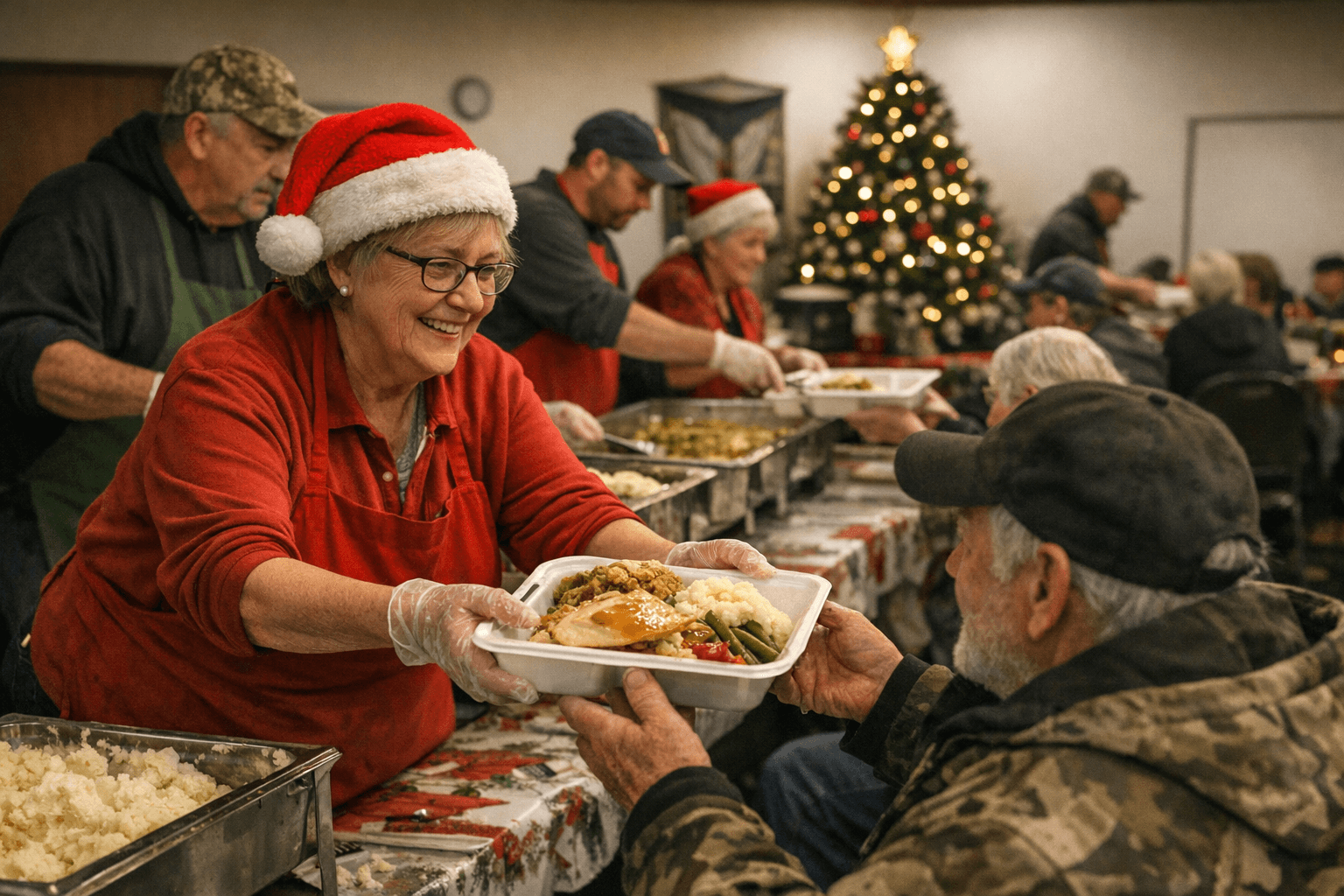
Faith Lutheran Church in Bagley marked its 25th Community Christmas Day Dinner on Jan. 2, 2026, preparing and distributing 300 meals to residents who attended, picked up meals or received deliveries. About 50 volunteers from seven different churches, ranging in age from 3 to 84, helped prepare, package and serve ham with raisin sauce, scalloped potatoes, corn, salad, lefse, rolls and dessert; each attendee also left with a treat bag.
Four driving teams coordinated deliveries for guests who could not travel to the church, extending the dinner beyond the building and into homes across the area. Organizers acknowledged support from area churches, civic groups, banks, individuals, the Bagley American Legion, Clearwater-Polk Electric and Thrivent Financial, which together underwrote food, supplies and logistical needs that made the tradition possible.
The event is more than a meal service; it is a long-running community safety net that reduces food insecurity and eases social isolation, especially for older residents and those with limited mobility. Community-based meals like this can help fill gaps left by formal programs by pairing nutrition with social contact and volunteer-driven outreach. In rural counties such as Beltrami, those informal networks are often the first line of support during holidays and other times when formal services are less accessible.
Public health experts emphasize that consistent access to nutritious meals supports management of chronic conditions and overall wellbeing. The intergenerational volunteer base also strengthens social cohesion and builds local capacity for emergency response, as volunteers gain experience organizing food procurement, safe handling and delivery logistics. The use of dedicated driving teams further highlights the importance of transportation in making services equitable across scattered rural populations.
The longevity of the Bagley dinner points to a resilient community model but also raises broader questions about how public policy can support such efforts. Stable funding for community meal programs, investment in volunteer coordination, and partnerships between faith-based groups and public agencies could help scale successful local efforts and reach more people throughout Beltrami County. Strengthening connections to county health services and senior programs would also improve continuity of care for homebound residents who depend on occasional meal deliveries.
Organizers said they intend the dinner to continue for years to come, keeping a quarter-century tradition alive while addressing current needs. For many participants, the event provides a sense of belonging and practical relief; for the wider community, it is a reminder that local collaboration remains essential to public health and social equity in rural Minnesota.
Know something we missed? Have a correction or additional information?
Submit a Tip

