Bemidji adds solar panels to five public buildings
Bemidji is putting solar panels on five public buildings, and the water treatment plant array is already running, expected to cut power use about 30% and save $8,000 a year.
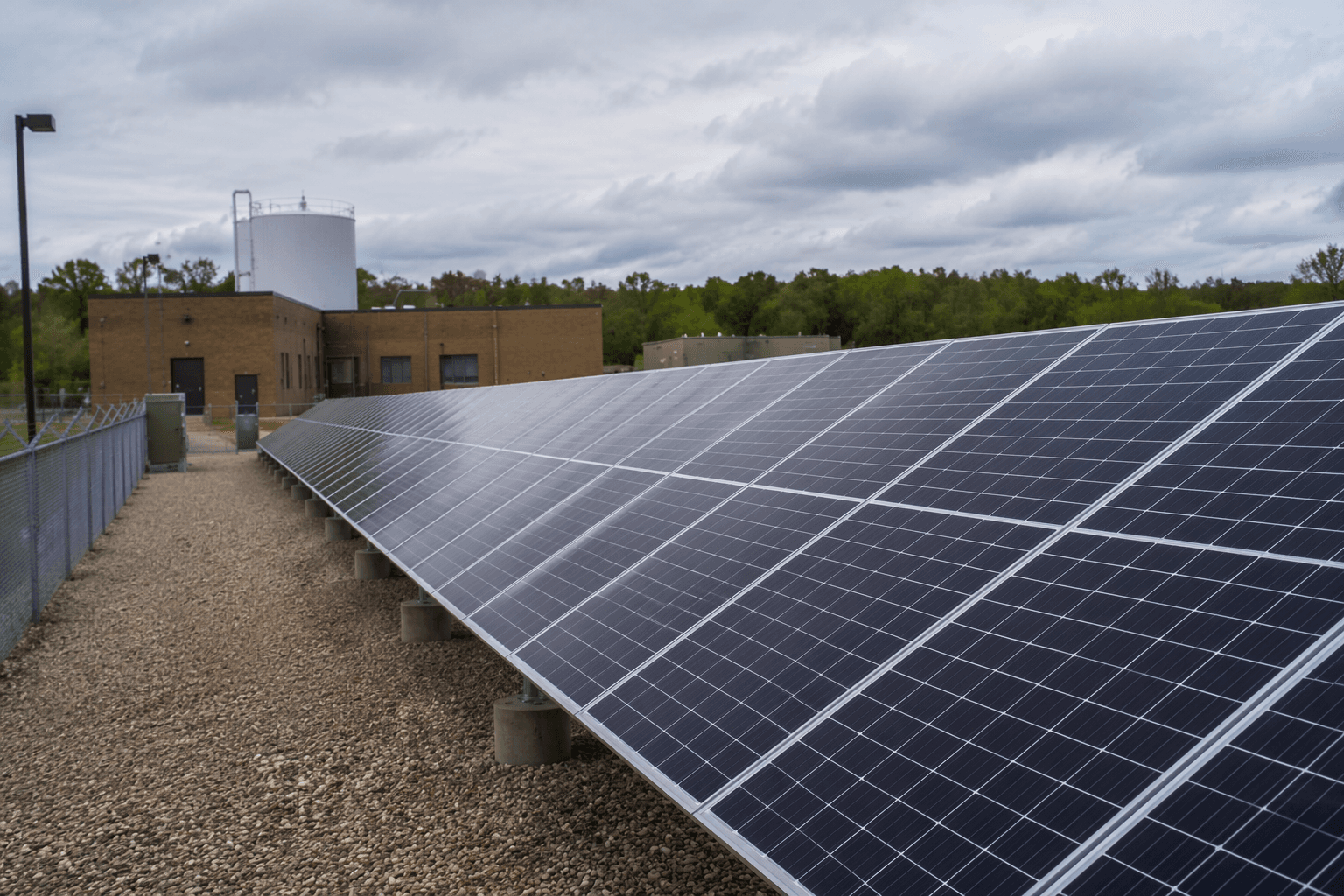
Bemidji is moving solar panels onto five public buildings, turning some of the city’s most visible facilities into power-producing sites. The work includes the Sanford Event Center, City Park warming house, Bemidji Fire Station #2, Neilson Reise/Curling Club and the Water Treatment Plant, with the first array already operating at the treatment plant.
The city said the Solar on Public Buildings grant will cover 70% of the array costs, while the remaining 30% is expected to come through the federal direct-pay tax credit. In December, the broader package was estimated at a little more than $551,000, giving taxpayers a clearer picture of the upfront cost behind the switch to solar.
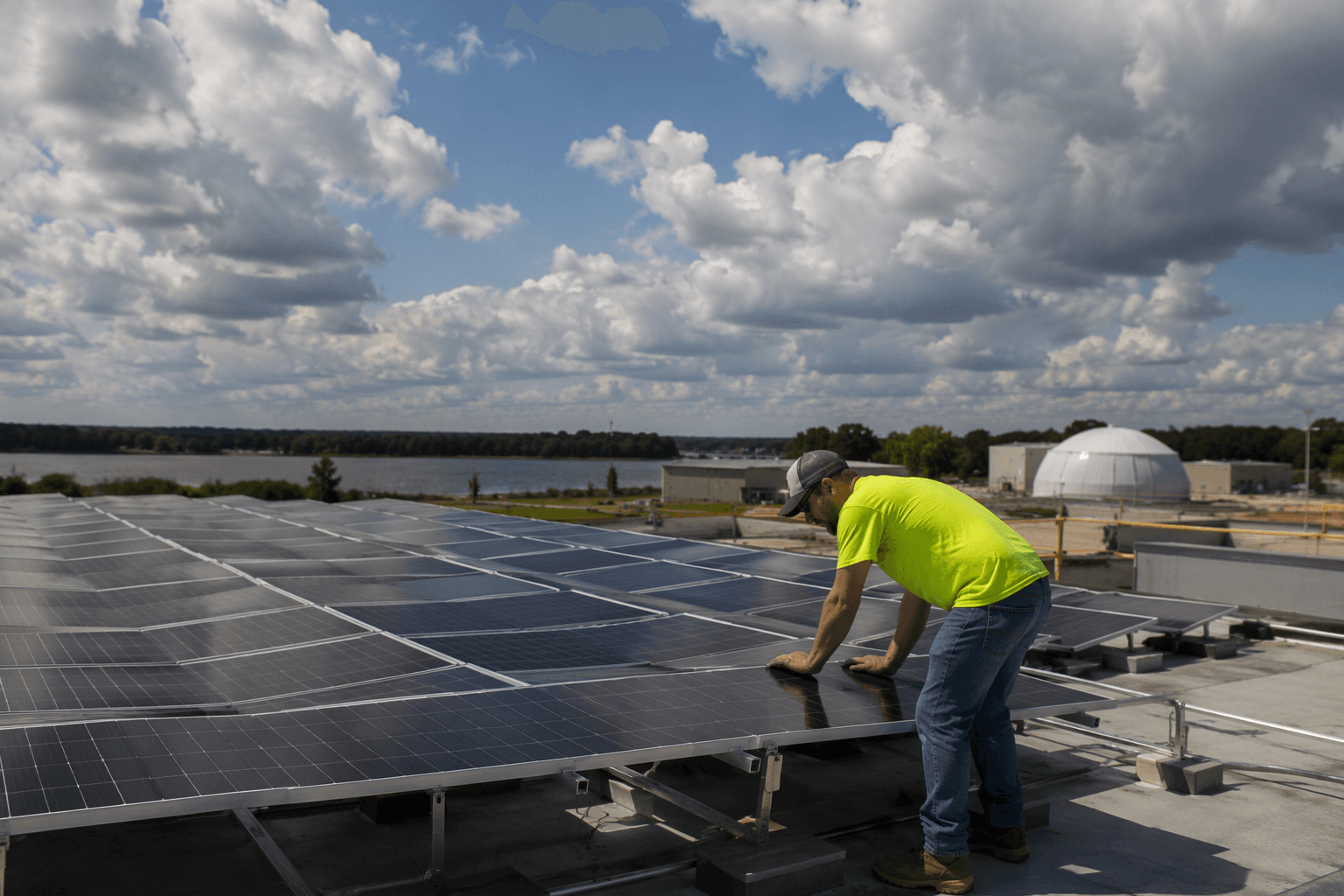
Planning and Zoning Director Jamin Carlson said the city learned about the Minnesota Department of Commerce program last November and applied for the grant soon after. By the time the application was approved, Bemidji had secured five locations. Carlson said the water treatment plant array began installation in late March 2026, uses a ballasted design that avoids roof penetrations and is expected to offset about 30% of the plant’s power use while saving roughly $8,000 a year.
That early savings matters because the project is not just about clean-energy branding. Any electricity the buildings do not use will be sent back to the grid as a net gain, and the remaining sites are still under construction so the systems can be integrated properly. For city operations, that means a quieter but measurable change at places residents already know well, especially the Sanford Center and Fire Station #2, where the solar arrays will sit on high-traffic public property.
The council had already weighed the project’s footprint in December 2025, when a report said it would cover four city-owned sites and require about 1,200 feet of fencing. Councilmember Josh Peterson raised concerns about putting arrays in heavily used public spaces, particularly at City Park and near a proposed wedding venue area. Those concerns underscore why the buildout is being watched as a local government decision with concrete tradeoffs, not just a sustainability gesture.
Bemidji’s move also fits into a much larger state program. The Minnesota Department of Commerce says Solar on Public Buildings grants are available to local governments and Tribal Nations in Xcel Energy territory, with awards covering up to 70% of project costs and, with the federal tax credit, up to 100% of a system’s cost. By March 2026, the program had awarded about $19 million, supported 92 communities and brought 230 new solar arrays online, with the next application deadline set for June 30, 2026.
The Sanford Center makes the scale of the decision even clearer. Opened in October 2010, the 185,000-square-foot facility is tied to an estimated $13 million annual regional economic impact, so any change to its operating costs carries significance far beyond the roofline.
This article was produced by Prism’s automated news system from verified source data, official records, and press releases, then run through automated quality and moderation checks before publishing. The system is built and supervised by the people who set the standards it runs under. Read our full AI policy.
Did this article answer your question?