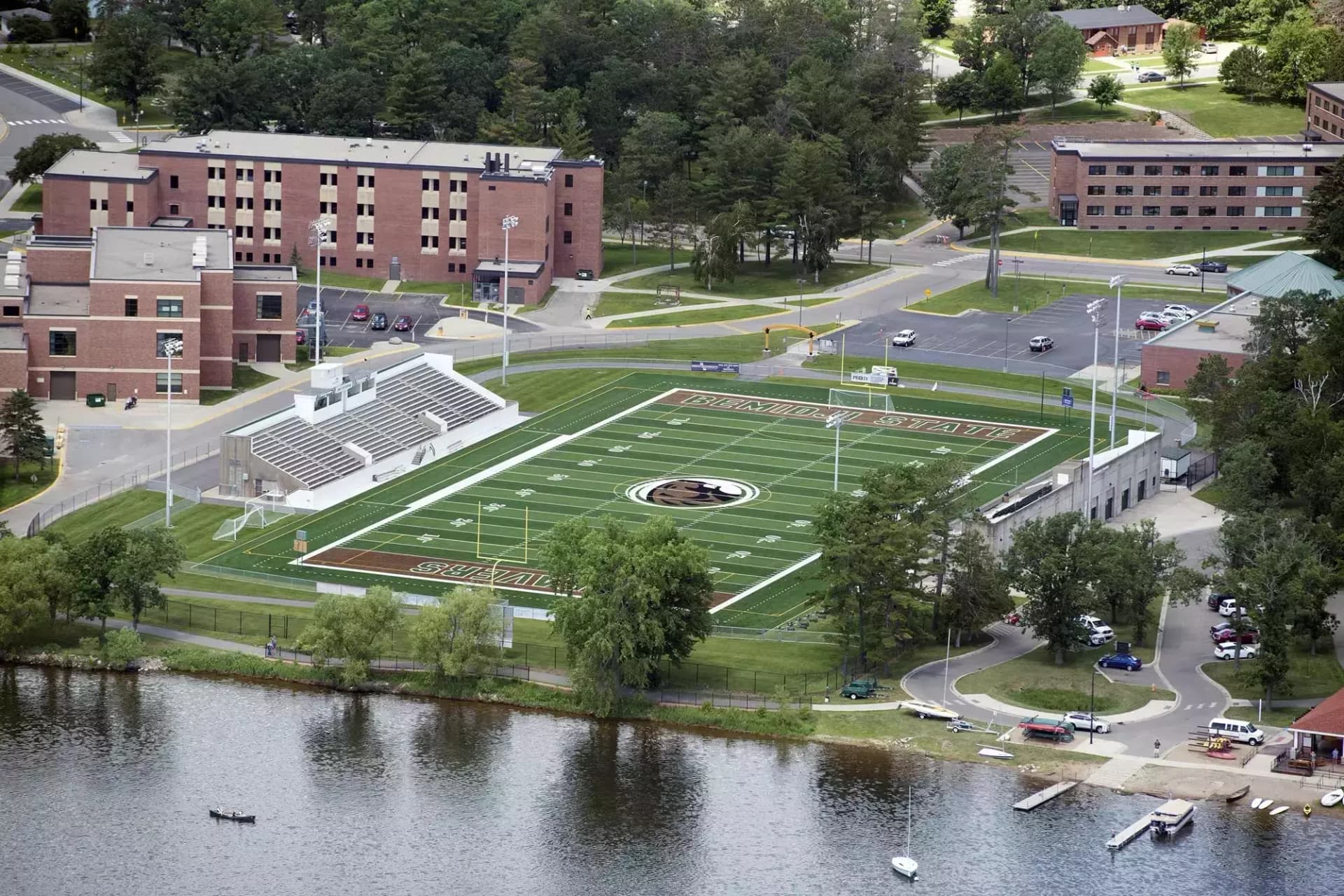
Bemidji Area Schools approve revised budget showing $2.7M deficit, warning $4.8M shortfall
Bemidji Area Schools approved a revised 2025-26 budget showing a $2.7M deficit and warned of a potential $4.8M shortfall next year, raising concerns for programs and staffing.
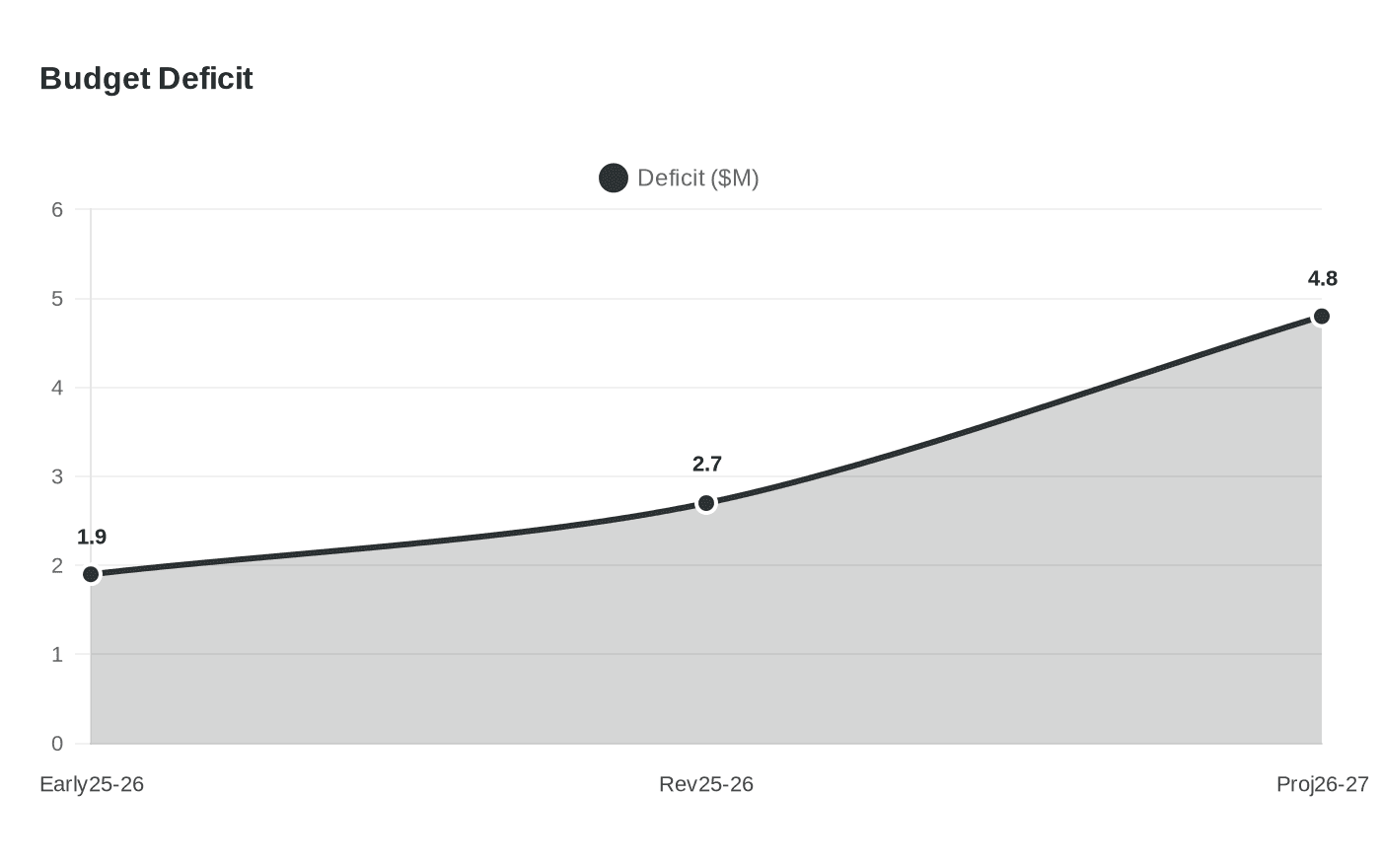
Bemidji Area Schools approved a revised 2025-2026 budget that now projects a $2.7 million deficit, an increase from an earlier $1.9 million estimate. District Business Director Ashley Eastridge said the revision uses audited prior-year figures and year-to-date data to produce a more accurate financial picture.
The change reflects $1.1 million in higher payroll costs, some tied to unsettled contracts, and is partially offset by an increase of $486,000 in state special education revenue. The district reported a general operating fund balance of $7.2 million against $67.3 million in expenses, leaving a 10.7 percent reserve cushion.
Board members reviewed projections for the 2026-2027 school year during a work session that followed the formal vote. Those projections show a potential $4.8 million deficit driven by a $1.7 million decline in compensatory revenue linked to state formula changes, falling enrollment, inflationary pressures and rising employee expenses. The shrinking compensatory allocation poses particular risk to services aimed at low-income and at-risk students who depend on targeted classroom supports and intervention programs.
Board chair Todd Haugen raised the prospect of pursuing a referendum to increase operating authority, saying the district’s options to cut further are limited. Some board members also discussed freezing further raises for bargaining groups as an alternative step to rein in costs. No decision was made on a referendum; the board plans continued discussions at future meetings.
The budget situation has direct implications for classroom services, mental health supports and school staffing in Beltrami County. While increased special education revenue provides some relief, the larger structural decline in compensatory funds and the payroll pressures threaten positions and programs that promote educational equity. Freezing raises or cutting programs could worsen staff recruitment and retention at a time when many districts statewide report difficulty filling teaching and support roles.
Beyond classrooms, any move toward a referendum would bring tax and policy questions to voters. A decision to seek more operating authority would require community engagement and clear communication about trade-offs between revenues, property taxes and program stability.
Parents, school employees and local taxpayers can expect further budget presentations and public discussions in the coming weeks as the board weighs referendum timing, contract settlements and program priorities. How the district balances short-term fixes and long-term equity for students will shape services and outcomes across Bemidji Area Schools.
This article was produced by Prism’s automated news system from verified source data, official records, and press releases, then run through automated quality and moderation checks before publishing. The system is built and supervised by the people who set the standards it runs under. Read our full AI policy.
Did this article answer your question?