Bemidji Council Sets 2026 Legislative Priorities: Food and Beverage Tax, Rental Review
Bemidji leaders reviewed 2026 legislative priorities, focusing on a proposed food-and-beverage special-use tax and a review of rental ordinances that could affect local infrastructure funding and housing protections.
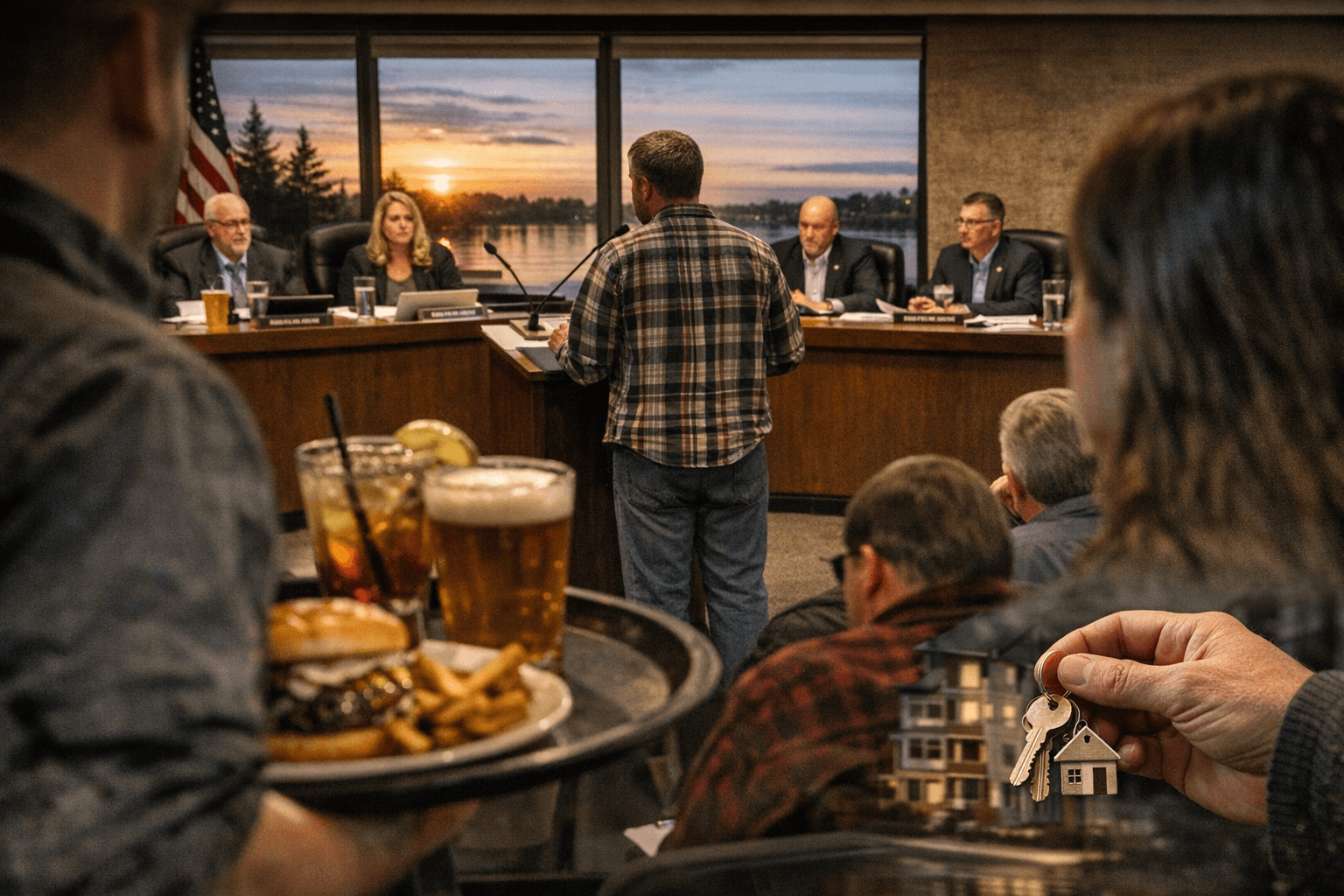
The Bemidji City Council used a Jan. 26 work session to shape the city’s agenda for the 2026 Minnesota legislative session, setting priorities the council will carry to state and federal lawmakers. Mayor Jorge Prince and councilors discussed policy and bonding requests, with a particular focus on a local food-and-beverage special-use tax to support infrastructure needs and a review of rental ordinances to better balance landlord supports with tenant protections.
Council members framed the proposals as tools to respond to local priorities as the next state session opens Feb. 17. The food-and-beverage tax under consideration would be a targeted, special-use levy designed to raise revenue for infrastructure projects important to Bemidji’s downtown and hospitality sector. City leaders said the option could give restaurants, cafes, breweries and other hospitality businesses a clearer path to finance sidewalks, utilities and other capital work without relying solely on general fund dollars.
Alongside revenue ideas, councilors flagged housing stability as a policy priority. The proposed review of rental ordinances aims to identify adjustments that shore up landlord supports such as property maintenance expectations and enforcement mechanisms while preserving tenant protections that promote safe, affordable housing. The discussion signals an interest in crafting rules that reflect local market conditions and community values.
The council also discussed potential bonding requests and other policy asks that could be advanced during Bemidji’s Day at the Capitol, when Mayor Prince and council representatives will present the city’s priorities to legislators and state officials. Council members emphasized that the state budget context creates openings for policy change and for competitive requests for capital funding, though final decisions will depend on developments at the Capitol and agreement among council members on specific proposals.
For Bemidji residents, the deliberations could lead to visible outcomes: new local funding mechanisms tied to hospitality spending could accelerate infrastructure work downtown, affecting where and how businesses invest. Changes to rental ordinances could alter landlord-tenant relationships, impact rental market stability, and affect affordability for renters and operating costs for property owners.
The City Council plans to finalize its legislative package before presenting it at Bemidji’s Day at the Capitol, setting the stage for advocacy during the Feb. 17 start of the 2026 session. Residents interested in how the proposals might affect their neighborhood, business or household should watch for the council’s formal priorities and forthcoming public discussions where details will be refined.
This article was produced by Prism’s automated news system from verified source data, official records, and press releases, then run through automated quality and moderation checks before publishing. The system is built and supervised by the people who set the standards it runs under. Read our full AI policy.
Did this article answer your question?