Bemidji Dancer Performs in Star-Studded NFL Halftime Show
Local resident Moraya Holleman, a 2025 Bemidji High School graduate and University of Minnesota student, was one of 24 dancers selected as a “Snoopette” to perform in an NFL halftime spectacular led by Snoop Dogg on Christmas Day. This article explains how she got there, what the experience entailed, and the public health, community, and equity implications for Beltrami County residents and youth arts programs.
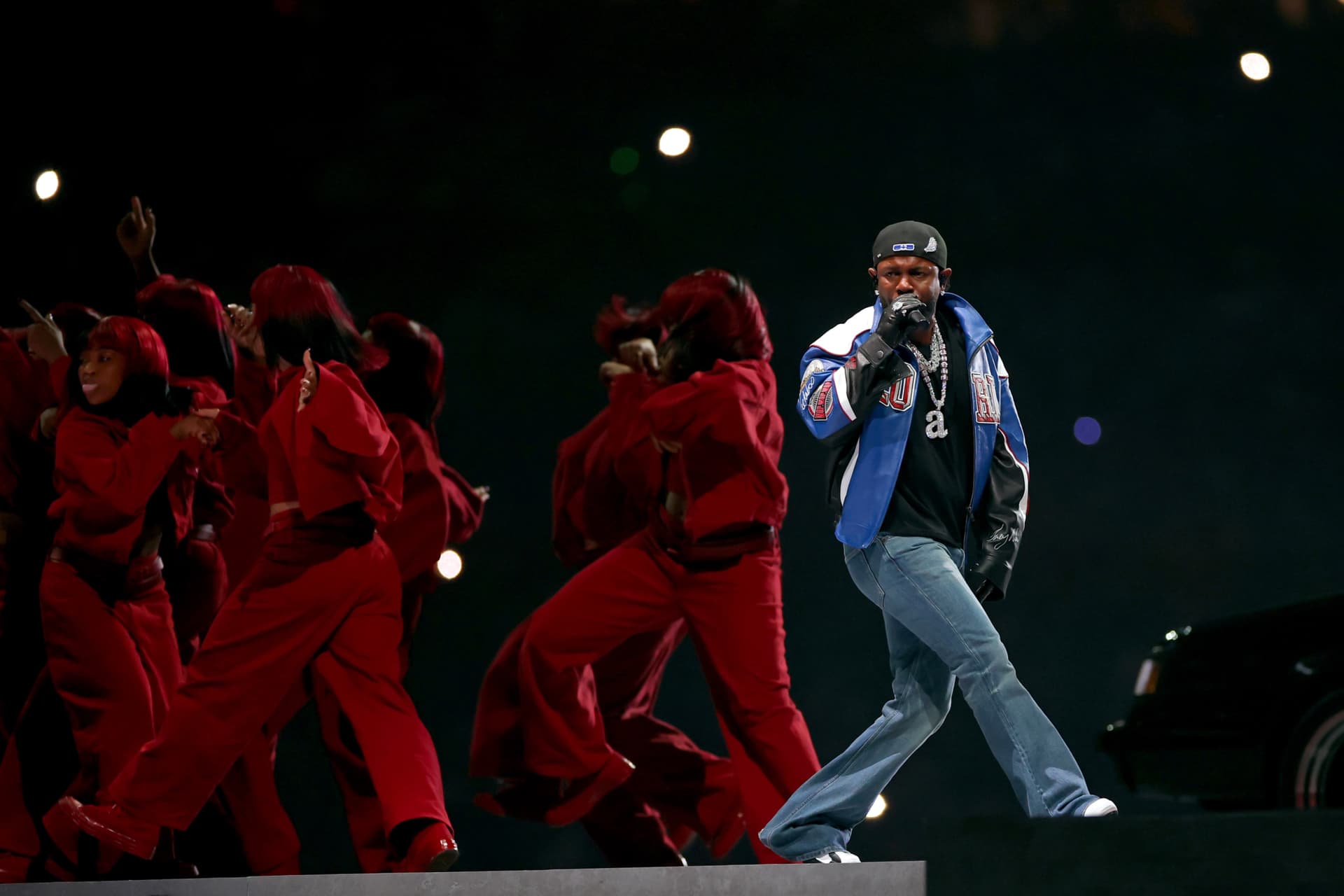
1. Local achievement and profile of Moraya Holleman
Moraya Holleman, who graduated from Bemidji High School in 2025 and now attends the University of Minnesota, was chosen as one of 24 dancers to perform as a “Snoopette” during a nationally televised NFL halftime show. Her selection is a high-profile accomplishment for a young artist from Beltrami County and serves as a visible example of the talent that rural communities nurture despite limited local resources. For families and students here, her achievement can inspire participation in performing arts and help normalize pathways from community programs to national stages.
2. The audition process and technique emphasized
Holleman’s route onto the national stage began with a short, high-kick style video submitted as her audition piece. That brief, technical submission underscores how digital access and a strong foundational technique can bridge geographic distance, allowing rural performers to compete for roles without being physically present at every casting. It also highlights the importance of training in specific dance techniques and having access to recording tools and reliable internet, basic resources that some local families may lack.
3. Intensive rehearsal schedule and physical demands
Selected dancers completed five days of intense rehearsals leading up to the show, a condensed schedule with high physical and mental demands. Such concentrated training periods increase the risk of fatigue, overuse injuries, and stress, particularly for young dancers balancing school and travel. From a public health perspective, organizers and local advocates should consider protocols for injury prevention, access to athletic training or physical therapy, and rest periods when supporting performers from our community.
4. Day-of logistics: hair, makeup, and early call times
On the day of the performance, Holleman and other dancers arrived early for hair, makeup, and additional rehearsals, a logistical reality for large-scale shows. Early call times and long on-site days create needs for nutrition, hydration, safe transportation, and time for recovery. Local families and program leaders can learn from this by preparing students for long event days and advocating for organized supports that safeguard youth well-being when they travel to perform.
5. The artistic context: collaborators and national audience
The halftime show featured major artists including Lainey Wilson and Andrea Bocelli, and the Snoop Dogg-led production reached millions of viewers live in the stadium and via broadcast and streaming audiences worldwide. For Beltrami County, that level of visibility brings pride but also highlights disparities: while a select few are showcased nationally, many talented local artists lack pathways to similar exposure because of funding, access, or network gaps.
6. Role of Just For Kix and local coaching encouragement
Holleman’s decision to audition was encouraged by her former coaches after the Just For Kix team won a national championship earlier in 2025. That coaching support demonstrates the multiplier effect of strong local programs: competitive success can translate into confidence, visibility, and opportunities for individuals. Sustaining and expanding programs like Just For Kix provides tangible community benefits but requires consistent funding, volunteerism, and policy attention to keep opportunities accessible to all youth.

7. Emotional impact and rekindled love of dance
Holleman described the opportunity as a once-in-a-lifetime experience that rekindled her love of dance, showing how major performances can rejuvenate personal passion and mental well-being. Participation in the arts is linked to improved emotional resilience and social connectedness, outcomes especially important in rural areas where young people may face isolation. Supporting arts access should be seen as part of community mental-health strategy, not an optional extra.
8. Equity concerns for rural and low-income students
While Holleman’s success is cause for celebration, it also raises equity questions: travel costs, equipment, coaching fees, and time away from work or school can exclude talented students without financial or institutional support. Addressing these systemic barriers will require targeted funding, scholarships, and transportation solutions so talent from Beltrami County isn’t limited by ZIP code or household income. Local policymakers and funders should prioritize equitable access to arts programming as part of broader educational and health equity goals.
9. Public health and safety recommendations for young performers
Large-scale performances expose young performers to physical and psychosocial risks, from musculoskeletal strain to performance anxiety and long recovery times. Communities and school programs should promote best practices: access to pre-performance medical checks, on-site medical or athletic trainer presence for long events, scheduled rest and nutrition plans, mental-health supports, and clear communication about expectations. Investing in these measures protects young people and supports sustainable participation in the arts.
10. Community impact and policy opportunities
Holleman’s appearance on a national stage creates a moment for community reflection and action: celebrate the achievement, but also use it to advocate for stronger local arts infrastructure, funding for school and community programs, transportation subsidies for regional events, and partnerships with universities and health providers. By aligning arts support with public health and education policy, Beltrami County can turn individual success into broader, equitable opportunities for youth development, community cohesion, and long-term wellness.
This article was produced by Prism’s automated news system from verified source data, official records, and press releases, then run through automated quality and moderation checks before publishing. The system is built and supervised by the people who set the standards it runs under. Read our full AI policy.
Did this article answer your question?


